
Annual Sump Pump Maintenance to Prevent Flooding
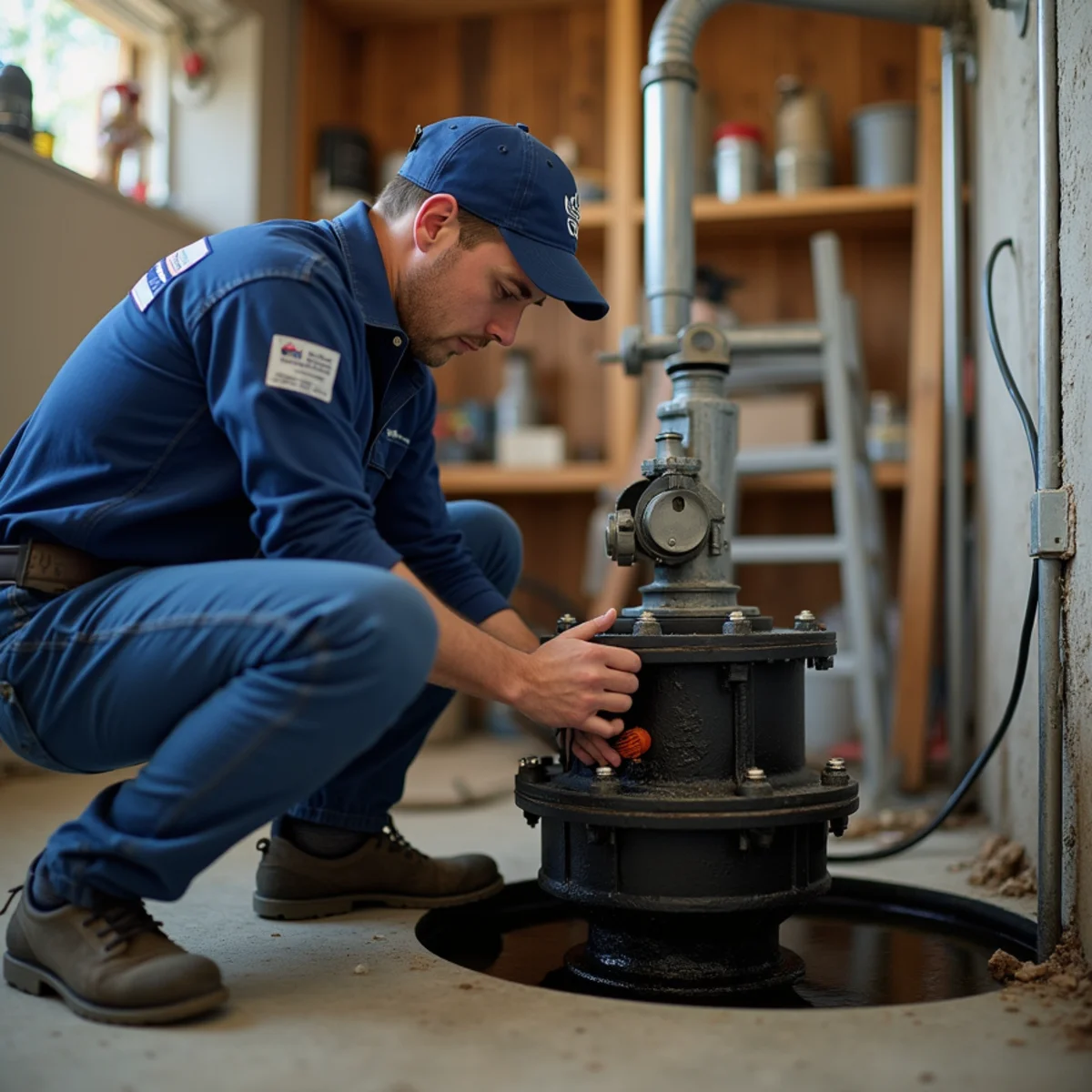
Annual sump pump maintenance involves disconnecting power, removing the pit basin lid, clearing out silt and debris, testing the mechanical float switch, verifying that the one-way discharge check valve closes firmly, checking the exterior discharge pipe for obstructions or ice, and testing the emergency battery backup pump. Performing this maintenance every autumn ensures your basement stays dry through heavy Pacific Northwest winter storms.
- Annual sediment removal from the sump basin prevents rotating impellers from jamming and burning out motors.
- The mechanical vertical float switch is the most common point of failure and must move freely without obstruction.
- A failing check valve allows pumped water to flow backward into the pit, forcing the pump to cycle continuously.
- Auxiliary DC battery backup systems must be tested annually under simulated power-outage conditions.
In flood-prone communities across the Willamette and Tualatin valleys, an operational sump pump is all that stands between a dry finished basement and thousands of dollars in water damage. Because sump pumps sit submerged in dirty groundwater, silt and debris accumulate over time, requiring annual inspection.
Follow these simple maintenance steps every autumn:
1. Clear Debris from the Sump Basin: Disconnect power to the pump. Remove the basin lid and check the bottom of the pit for gravel, mud, or silt. Foreign debris can be sucked into the pump intake, jamming the rotating impeller and burning out the motor.

2. Test the Float Switch: The float switch is the mechanical trigger that tells the pump when to activate. Manually lift the float up and down to ensure it moves freely without catching on the discharge pipe or power cord.
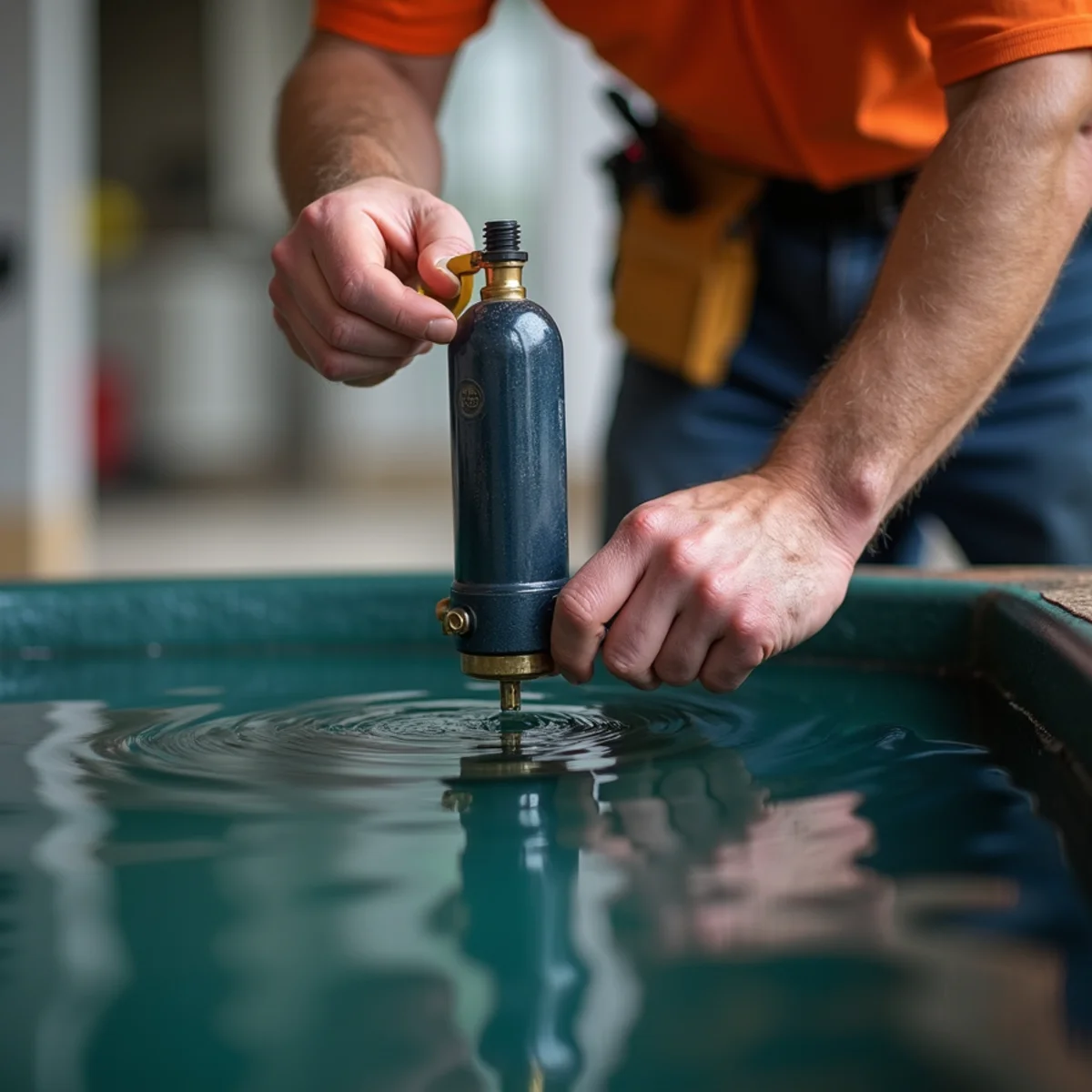
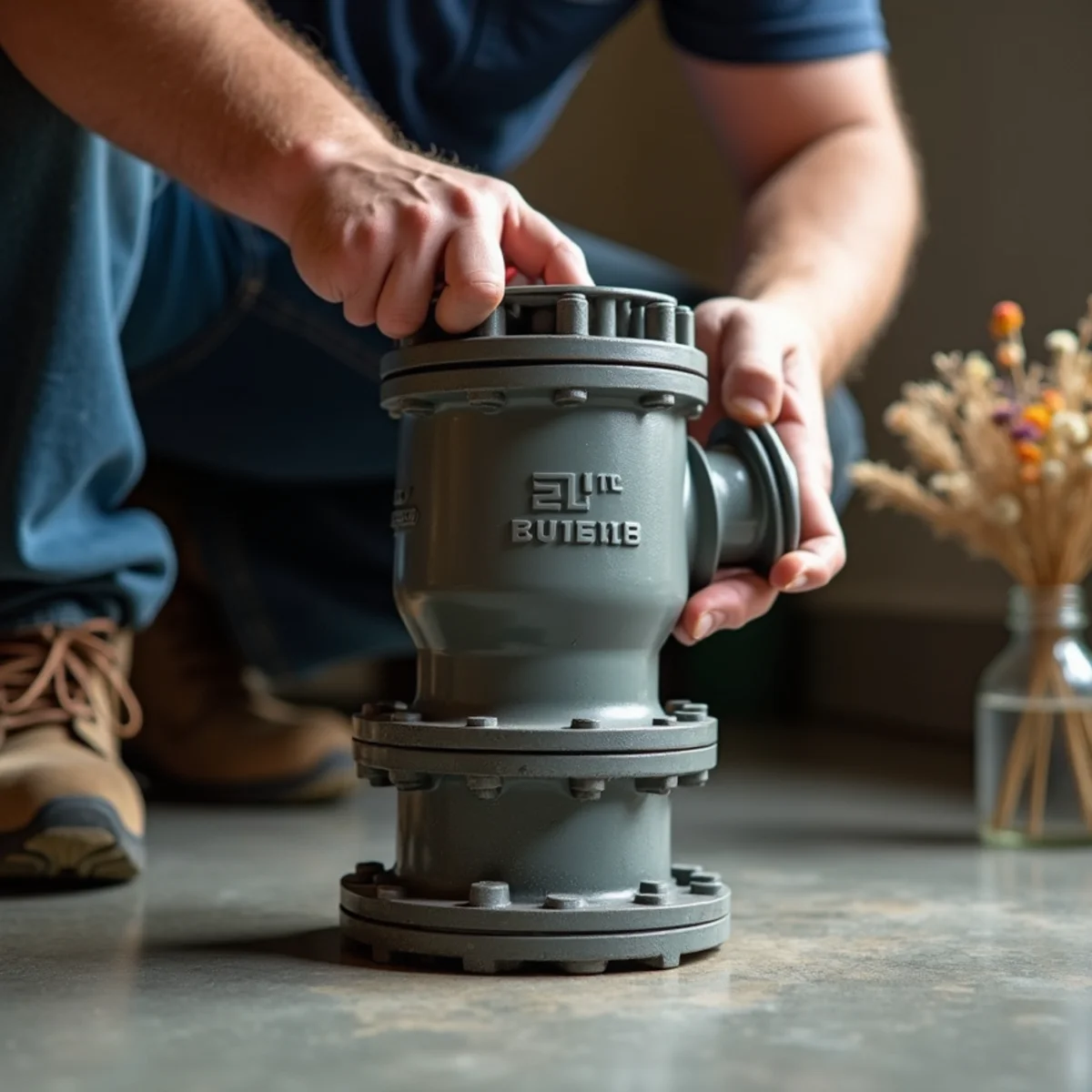
3. Inspect the Check Valve: The check valve is a one-way valve installed on the discharge pipe just above the basin. It prevents pumped water from falling back into the pit when the pump cycles off. Listen when the pump stops—if you hear water rushing backward, the check valve flapper is worn out.
4. Check the Exterior Discharge Outlet: Walk outside and inspect where the discharge pipe exits. Ensure the outlet is clear of leaves, dirt, or snow, and discharges at least 10 feet away from your foundation wall.

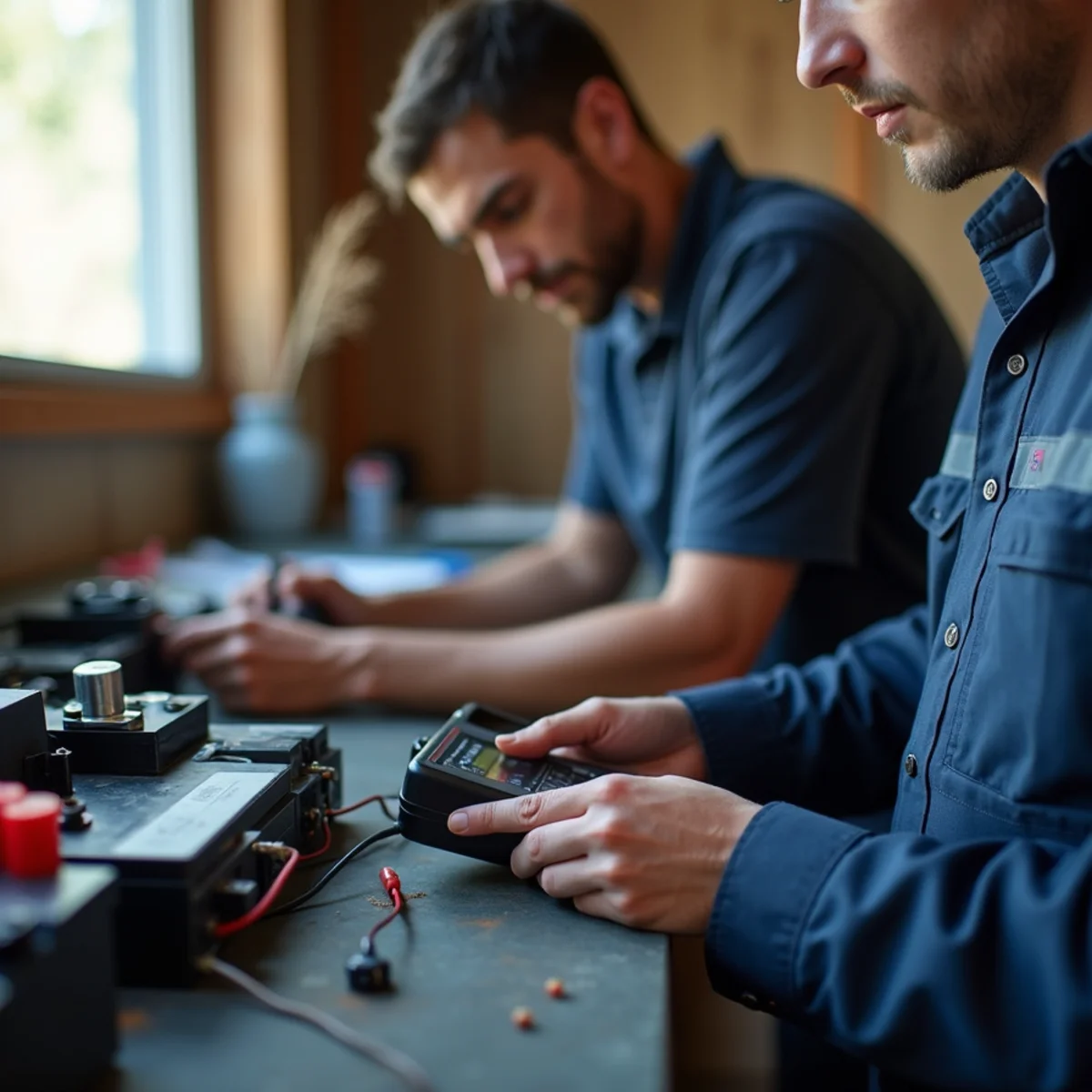
5. Test Your Auxiliary Battery Backup: Unplug the primary electric pump from the wall outlet and pour water into the pit. Confirm that your secondary DC backup pump activates smoothly on battery power alone.
If your sump pump is over 7 years old or making grinding noises, call United Plumbing PDX at (831) 290-4327 for a professional inspection.
Comprehensive Technical Guide & Portland Field Insights
1. The High Stakes of Sump Pump Reliability in Oregon
In low-lying communities across the Willamette and Tualatin basins—including Tigard, Tualatin, Gresham, and Portland—sump pumps operate under demanding conditions. Prolonged winter rains elevate the subterranean water table, forcing thousands of gallons of hydrostatic groundwater into perimeter drain tiles every day. If your sump pump malfunctions for even a few hours during a heavy storm, finished basement carpets, drywall, and mechanical systems can suffer catastrophic water damage.
2. Sump Basin Cleaning and Impeller Debris Removal
Groundwater entering through perforated drain pipes carries sand, clay silt, and small gravel into the sump pit. Over 12 months, this sediment accumulates into a thick sludge layer. If drawn into the pump base, debris jams the centrifugal impeller blades, locking the motor rotor and causing thermal overload. Disconnect power, lift the pump out, and shovel all sludge from the pit bottom before wiping clean the intake screen.
3. Testing and Calibrating the Mechanical Float Switch
Over 75% of sump pump service calls trace back to a malfunctioning float switch. Vertical mechanical float rods and tethered switches can become hung up on discharge pipes, power cords, or basin walls. Manually raise the float to confirm that the motor triggers instantly and smoothly. Ensure the float drops completely to the resting position to shut the pump off without sticking.
4. Check Valve Inspection and Anti-Siphon Weep Holes
The check valve is a one-way rubber or brass flapper installed on the vertical PVC discharge pipe above the pit. When the pump turns off, the check valve snaps shut, preventing water in the vertical pipe column from falling back into the basin. If you hear water rushing backward when the pump stops, the check valve flapper is worn and requires replacement. Also verify that the 3/16-inch weep hole between the pump and check valve is clear to prevent airlocks.
5. Testing Auxiliary Battery Backup Systems
Winter storms in Oregon frequently bring high winds that knock out electrical power grids. A 120V primary sump pump is useless during a blackout. An auxiliary battery backup system features a secondary 12V DC pump powered by a heavy-duty deep-cycle AGM battery. To test it, unplug the primary pump from the electrical wall outlet, pour water into the basin, and confirm that the secondary pump kicks on and sounds its audible alarm.
“A sump pump is an electro-mechanical device that sits submerged in water and silt 365 days a year. Like car brakes, it has a finite lifespan of 7 to 10 years. Performing annual maintenance and replacing it before it fails is the difference between a dry basement and a $25,000 flood remediation nightmare.” — Mark Evans, Master Plumber (CCB #234891)
Frequently Asked Questions About Annual Sump Pump Maintenance to Prevent Flooding
How long does a submersible sump pump typically last?
High-quality cast-iron submersible sump pumps typically last 7 to 10 years with regular annual maintenance. Units that cycle constantly due to high water tables may require replacement after 5 to 7 years.
Why is my sump pump making a loud humming noise?
A loud humming noise usually indicates that the motor is energized but the impeller is jammed by debris, the pump has an airlock, or the motor bearings have seized.
How far away from the house should a sump pump discharge water?
Exterior discharge pipes should release water at least 10 to 15 feet away from your home's foundation wall, sloped downward onto positive landscape drainage to prevent water from cycling back to your basement.
How often should I replace the battery in my backup sump pump?
Deep-cycle AGM backup batteries should be replaced every 3 to 5 years to ensure they maintain full charge capacity during extended winter electrical outages.
Related Services & Local Coverage
Written by Mark Evans
Licensed Oregon Master Plumber · CCB #234891. Mark has overseen thousands of residential and commercial plumbing restorations throughout Multnomah County and the Willamette Valley.
Dealing With an Active Plumbing Issue?
Call United Plumbing PDX now at (831) 290-4327 for live 24/7 dispatch across the Portland metro area.