
What to Do When a Pipe Bursts in Your Portland Home
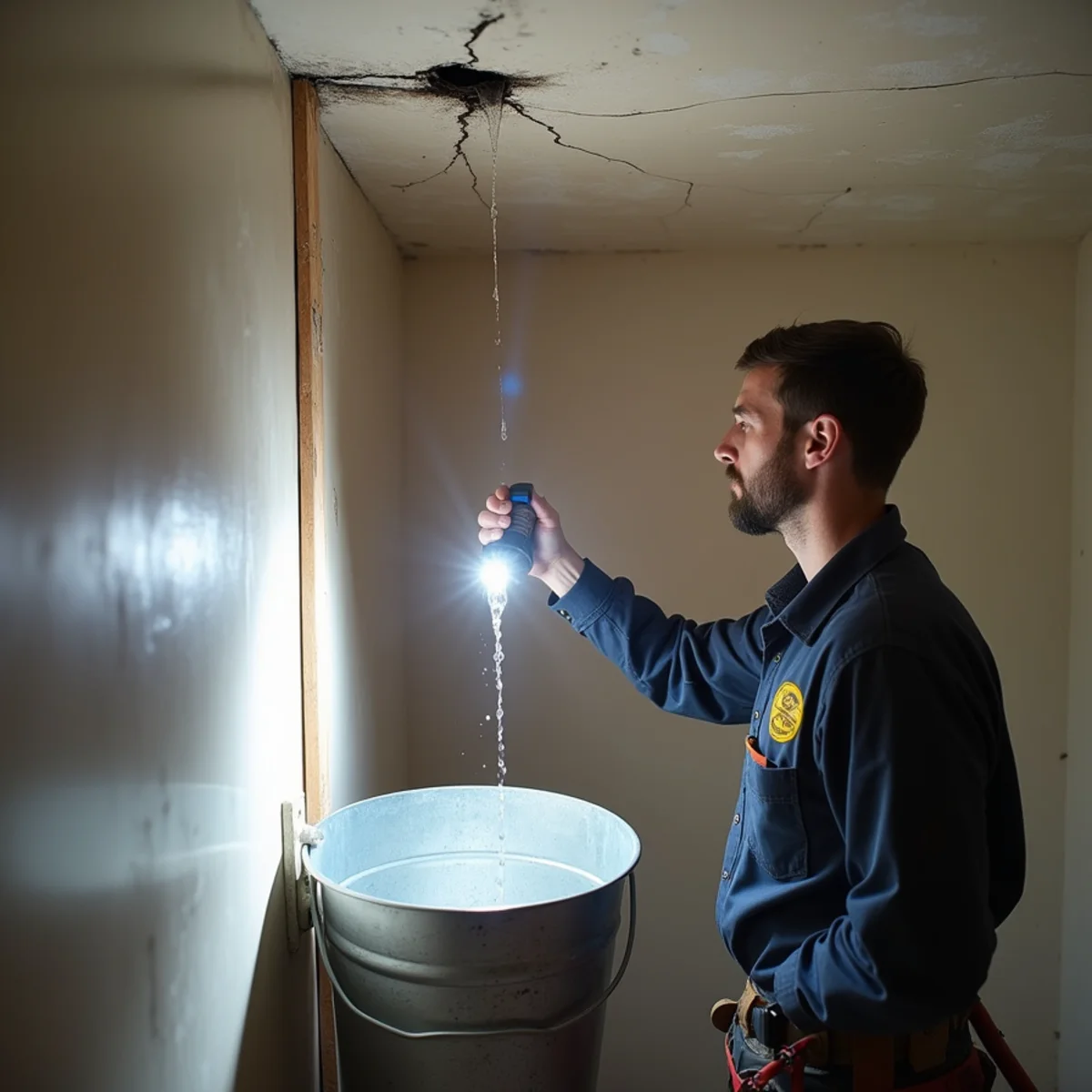
When a water pipe bursts in your Portland home, immediately shut off the main water valve at your basement foundation wall or street meter, open the lowest indoor and outdoor faucets to drain system pressure, shut off electricity if water is near outlets, document damages with photos for insurance, and call a 24/7 licensed emergency plumber. Acting within the first 10 minutes stops 8 to 12 gallons per minute of pressurized municipal water from causing catastrophic structural framing rot, drywall collapse, and toxic black mold growth.
- Immediate valve isolation halts 8–12 gallons per minute discharging under 50–80 PSI municipal pressure.
- Portland meter vaults are located along the front sidewalk or inside basement walls facing the street curb.
- Standard Oregon HO-3 homeowners insurance policies cover sudden and accidental burst pipe water damage with prompt mitigation.
- Commercial-grade Uponor PEX-A expansion piping or Type L copper should always replace split lines to withstand future freeze cycles.
A burst water pipe is one of the most alarming crises an Oregon homeowner can face. Operating under 50 to 80 PSI of municipal pressure, a ruptured 3/4-inch supply line can discharge between 8 and 12 gallons of water every minute. In just half an hour, hundreds of gallons will saturate subfloors, collapse plaster ceilings, and ruin hardwood finishes.
Whether triggered by a freezing winter east wind blowing down the Columbia Gorge or the sudden failure of an aged galvanized fitting, knowing exactly what to do in the first ten minutes can save tens of thousands of dollars in water remediation. Follow this checklist immediately.
Step 1: Shut Off the Main Water Valve Immediately. Do not waste time hunting for the exact puncture location while water is actively flowing. Go straight to your main water shutoff valve. In most Portland homes, this valve is situated in the basement along the front foundation wall, inside a ground-floor utility closet, or out near the sidewalk curb in a cast-iron Portland Water Bureau meter vault. Turn gate valves clockwise until firmly seated, or rotate lever ball valves perpendicular to the pipe.
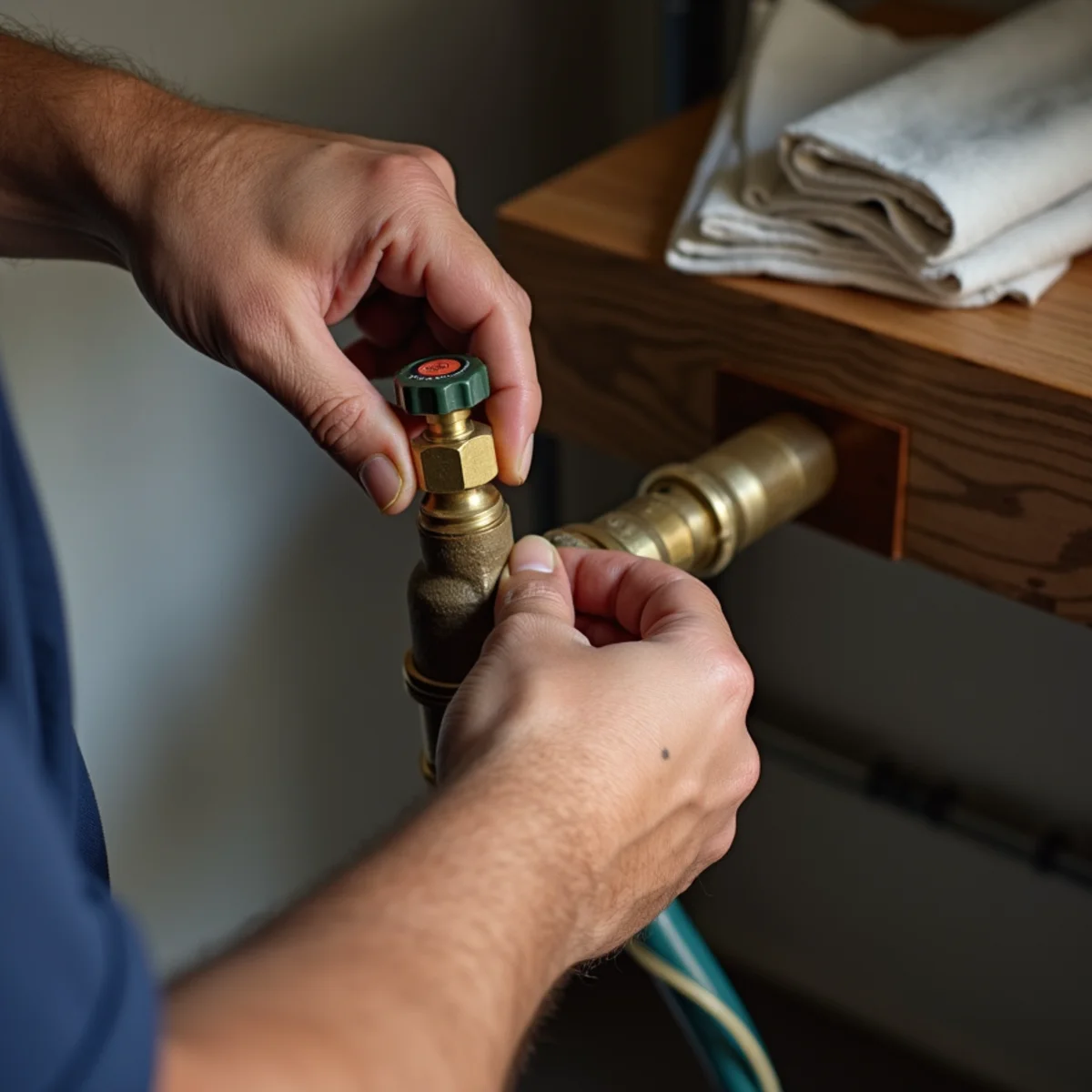
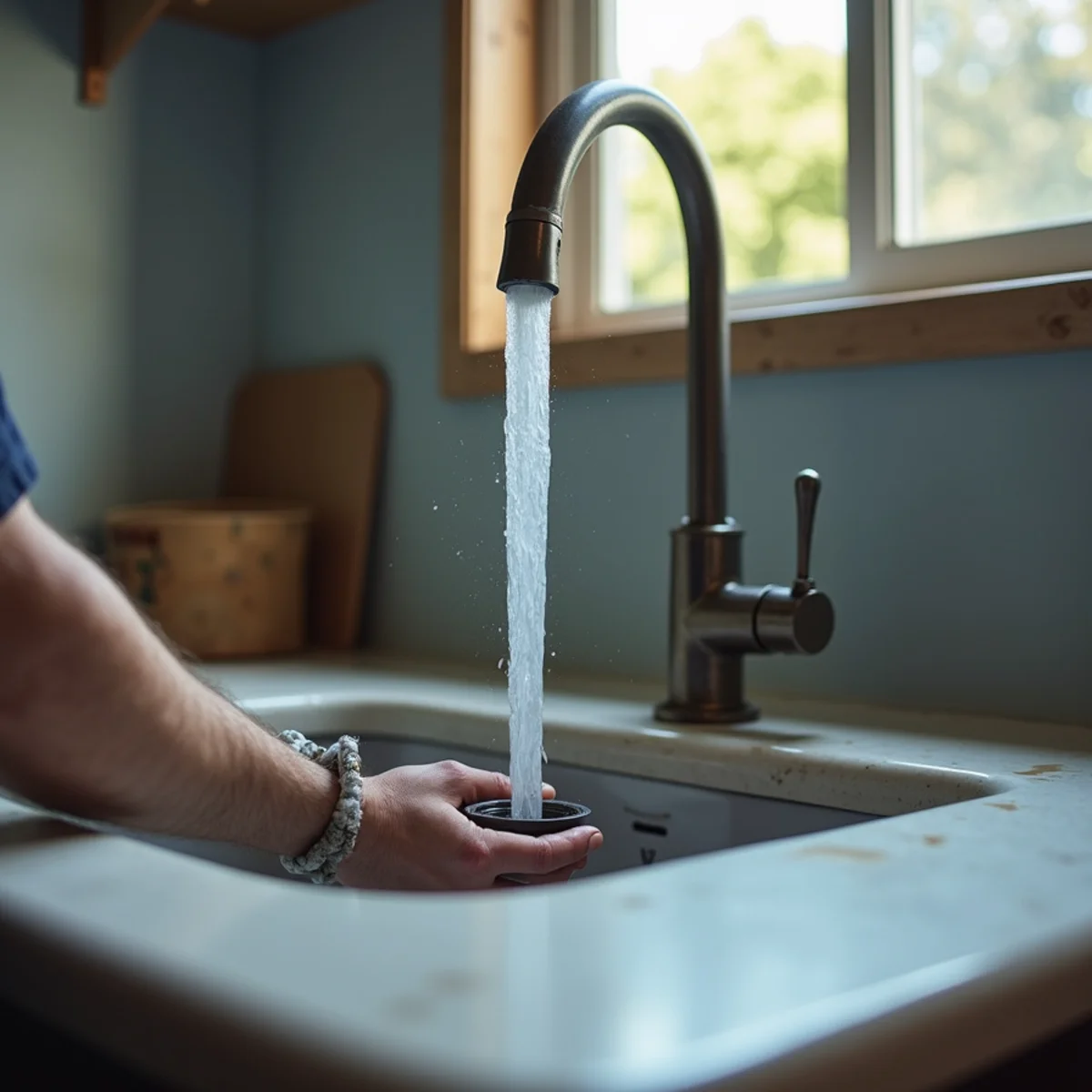
Step 2: Relieve System Pressure by Opening Lowest Faucets. Once the main supply is shut down, thousands of feet of household piping remain full of pressurized water. Relieve this trapped volume by opening the lowest fixture in your home—such as a basement laundry sink, garden hose spigot, or bathtub tap. This drains the system safely onto exterior gravel or into drains rather than continuing to leak into your walls.
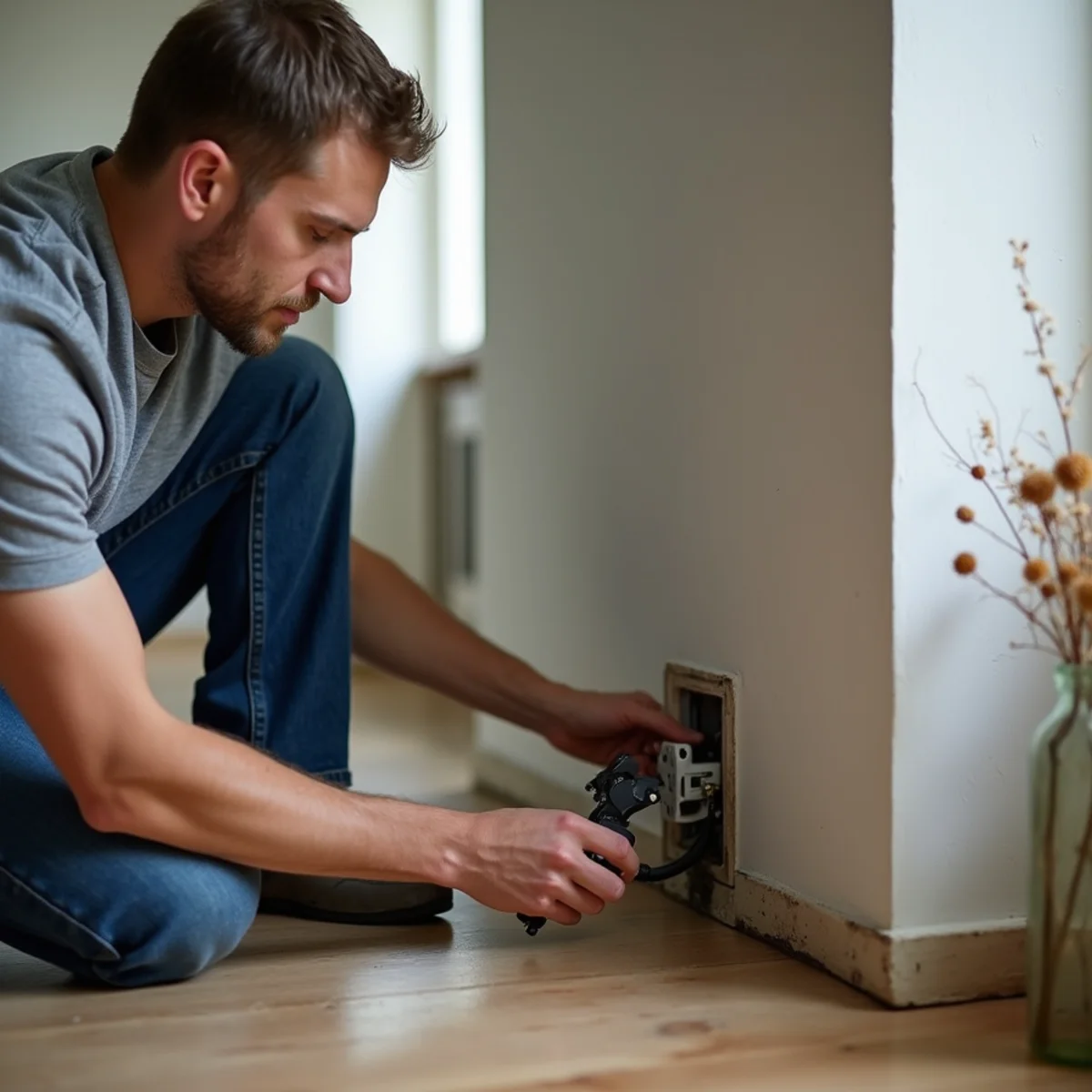
Step 3: Quarantine Electrical Hazards. Water and electricity are a deadly combination. If water is pooling near floor outlets, extension cords, or leaking directly through light fixtures, do not step into standing water. If your main electrical panel is located in a dry, safe area, switch off power to the flooded circuit zones immediately.
Step 4: Photograph and Document the Damage for Insurance. Before you begin mopping or moving saturated furniture, pull out your smartphone and capture clear photos and video footage of the active water flow, water marks on drywall, and damaged personal property. Your homeowner's insurance adjuster will require documentation of the origin point and initial conditions.

Step 5: Call a Licensed 24/7 Portland Emergency Plumber. Once the water is safely stopped, call United Plumbing PDX at (831) 290-4327. Our emergency service vans are dispatched 24 hours a day across Portland, Multnomah County, and Gresham. We will surgically access the damaged line, cut out the split section, install freeze-proof Uponor PEX-A or Type L copper, and provide comprehensive insurance documentation.

Comprehensive Technical Guide & Portland Field Insights
1. The Anatomy of a Portland Winter Freeze-Burst Event
Portland winters present unique hydraulic risks. Sub-freezing arctic air funneled through the Columbia River Gorge frequently drops overnight temperatures into the teens, accompanied by 30 to 50 MPH easterly gusts. Water expands by approximately 9% as it converts into crystalline ice. In uninsulated wall cavities, cantilevers, crawlspace perimeters, and hose spigots, this ice forms an impenetrable hydraulic plug. As ice expands, it pushes liquid water downstream against closed faucet valves, elevating internal pipe pressures beyond 2,000 PSI—far exceeding the 400 PSI burst threshold of standard copper or brittle galvanized iron.
2. Locating Your Portland Main Water Shutoff Fast
In older Portland architectural styles—such as Craftsman bungalows in Hawthorne, Victorian homes in Northwest Portland, and mid-century ranches in East Multnomah County—the main shutoff valve is commonly found in the basement near the front foundation wall, inside an unheated crawlspace access hatch, or adjacent to the water heater tank. If your interior gate valve is corroded or seized, your secondary shutoff is the Portland Water Bureau cast-iron meter vault located at the street curb or sidewalk. Using a curb key or adjustable wrench, turn the brass directional valve 90 degrees clockwise until the padlock holes align.
3. Pressure Relief and System Gravity Drainage
Closing the main supply stops incoming municipal flow, but your plumbing network retains dozens of gallons under latent pressure. Immediately open the lowest indoor faucet—typically a basement wash basin, utility tub, or downstairs shower valve—as well as exterior hose bibs. This drains residual standing water outward by gravity, relieving stress on weakened joints and preventing trapped volumes from continuing to weep into finished subflooring and drywall.
4. Preventing Electrical Hazards and Catastrophic Water Contamination
Standing water and household electrical current create deadly electrocution risks. If pooling water touches baseboard outlets, appliance cords, or leaks through ceiling light fixtures, do not enter the room. If your electrical service panel is safely situated in a dry, unaffected section of the home, immediately switch off breakers powering the affected rooms. If the panel itself is compromised, contact Portland General Electric (PGE) or Pacific Power to perform an emergency remote service disconnect.
5. Filing Your Oregon Homeowner Insurance Claim
Standard Oregon homeowners insurance policies (HO-3 and HO-5) provide coverage for sudden, accidental plumbing discharges. However, adjusters strictly scrutinize water claims for signs of gradual deterioration or homeowner negligence. Before initiating clean-up, capture wide-angle and close-up date-stamped video footage of the ruptured line, saturated drywall, soaked carpeting, and damaged personal possessions. Retain the damaged pipe section for adjuster inspection.
“During our severe Portland ice storms, over 70% of the burst pipe emergencies we handle occur in homes where garden hoses were left attached to outdoor spigots, or where crawlspace foundation vents were left open to Gorge winds. Taking 10 minutes every October to disconnect hoses and install foam vent covers saves homeowners an average of $15,000 to $40,000 in structural restoration costs.” — Mark Evans, Master Plumber (CCB #234891)
Frequently Asked Questions About What to Do When a Pipe Bursts in Your Portland Home
How much water does a burst pipe release in a home?
Under typical Portland municipal water pressure of 50 to 80 PSI, a 3/4-inch ruptured copper or PEX pipe can discharge 8 to 12 gallons per minute. That equals over 500 gallons in an hour, enough to submerge a basement or collapse a plaster ceiling.
Where is the main water shutoff valve located in older Portland houses?
In most Portland homes built before 1970, the interior shutoff is located in the basement near the street-facing foundation wall, or near the water heater. If there is no interior valve, you can shut it off at the sidewalk water meter box using a meter key.
Will homeowner insurance cover burst pipe water damage in Oregon?
Yes, sudden and accidental water damage caused by burst pipes is generally covered under standard HO-3 homeowner policies in Oregon. Insurers require prompt mitigation, meaning you must shut off the water and call an emergency plumber immediately.
What pipe material should be used to replace burst plumbing in Portland?
We recommend commercial-grade Uponor PEX-A or Type L rigid copper. PEX-A expands up to three times its diameter before cracking, making it far more resilient against future freeze events than vintage rigid copper or brittle galvanized iron.
How quickly can United Plumbing PDX respond to a burst pipe emergency?
We maintain 24/7 rapid emergency dispatch from our downtown hub at 621 SW 5th Ave, reaching homes across Portland, Gresham, Beaverton, and Lake Oswego within 30 to 60 minutes.
Related Services & Local Coverage
Written by Mark Evans
Licensed Oregon Master Plumber · CCB #234891. Mark has overseen thousands of residential and commercial plumbing restorations throughout Multnomah County and the Willamette Valley.
Dealing With an Active Plumbing Issue?
Call United Plumbing PDX now at (831) 290-4327 for live 24/7 dispatch across the Portland metro area.