
No Hot Water? A Portland Homeowner's Emergency Checklist
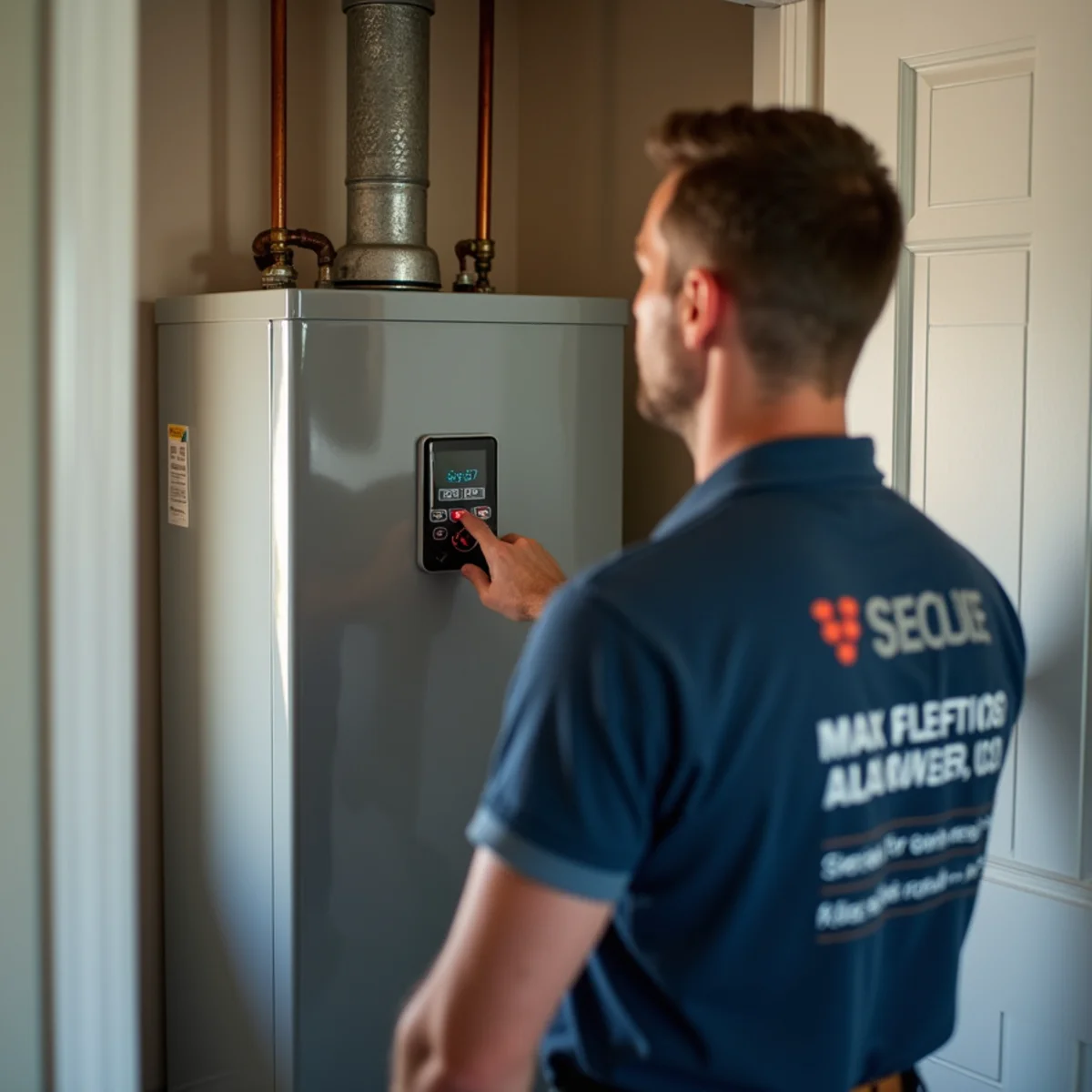
When your Portland water heater produces no hot water, check your electrical panel for a tripped 240V double-pole breaker, verify the gas shutoff valve and pilot light on gas units, inspect for puddles around the tank base, and check the upper thermostat high-limit reset button. If the pilot fails to stay lit, elements are burned out, or the tank is leaking from the bottom seam, shut off the fuel/power and water supply and call a licensed water heater technician immediately.
- Electric units require checking the 240V double-pole circuit breaker and the red high-limit thermal reset button on the upper thermostat.
- Gas units require verifying gas supply, pilot flame ignition, and testing the thermocouple or electronic millivolt thermopile.
- Puddles around the steel bottom rim indicate irreversible internal tank corrosion requiring full tank replacement.
- Portland municipal water contains dissolved minerals that create calcium carbonate scale on heating elements, shortening equipment lifespan.
Stepping into the shower on a chilly Pacific Northwest morning only to be greeted by a blast of icy water is an unwelcome shock. While water heaters are generally durable appliances, they contain electrical elements, gas valves, and safety sensors that can fail without warning.
Before panicking, walk through this licensed plumber's checklist to determine whether the issue is a simple reset or requires professional replacement.
For Electric Water Heaters: 1. Check your electrical breaker panel. Water heaters draw significant amperage on a dedicated 240-volt double-pole breaker. Look for a tripped switch and flip it firmly to OFF, then back to ON. 2. Inspect the high-limit reset switch. Turn the breaker OFF, unscrew the upper access panel on the side of the tank, push aside the insulation, and press the red reset button. If you hear an audible click, the thermostat tripped. If it trips repeatedly, your upper heating element or thermostat is malfunctioning.
For Natural Gas Water Heaters: 1. Check the pilot light. Peer through the small glass sight window at the base of the tank. If the flame is out, check whether your other gas appliances (furnace, range) have fuel. If they do, follow the manufacturer lighting instructions on the tank jacket to relight the pilot. If the pilot fails to stay lit when releasing the knob, the thermocouple or thermopile is likely defective and requires replacement.
Check for Water Leaks Around the Base: Inspect the floor beneath your water heater. If water is pooling around the bottom rim of the steel jacket, the inner tank lining has likely corroded through. Once a steel tank leaks from the bottom, it cannot be safely repaired; it must be replaced immediately before a catastrophic rupture floods your basement.
Call Portland's Water Heater Specialists: At United Plumbing PDX, we repair and replace all brands—including Bradford White, Rheem, AO Smith, and modern hybrid heat pump systems. Call (831) 290-4327 for same-day service across Portland, Beaverton, and Tigard.
Comprehensive Technical Guide & Portland Field Insights
1. Diagnosing Electric Water Heater Failures
Electric water heaters utilize two heating elements (upper and lower) controlled by separate thermostats. When you have zero hot water, the upper element or upper thermostat has typically failed. First, verify that the dedicated 240V circuit breaker hasn't tripped. Next, shut off power at the breaker, unscrew the upper access panel, push aside insulation, and press the red reset button. If it clicks, power is restored; however, repeated trips signify an electrical short or a ground fault in a calcified element.
2. Gas Water Heater Pilot and Thermocouple Troubleshooting
Gas water heaters rely on a continuous or spark-ignited pilot flame to ignite the main burner. If the pilot is out, ensure the gas supply valve is in line with the pipe. Follow the lighting instructions printed on the tank jacket, depressing the control knob while clicking the piezoelectric igniter. If the pilot lights but extinguishes as soon as you release the knob, the thermocouple—a thermoelectric safety sensor that ensures gas only flows when flame is detected—is fouled or burned out and needs replacement.
3. Detecting Fatal Tank Failures vs. Replaceable Components
Not all water heater problems require a new tank. Replaceable parts include heating elements, thermostats, thermocouples, gas control valves, and temperature & pressure (T&P) relief valves. However, if water is weeping from beneath the outer metal casing or dripping through the lower combustion chamber, the internal porcelain enamel glass lining has fractured, causing water to rust through the steel jacket. Once a tank shell leaks, repair is impossible; immediate replacement is required to avoid sudden rupture.
4. Portland Water Chemistry and Sediment Calcification
While Portland's Bull Run water source is relatively soft, it still contains minerals that settle at the bottom of the water heater over years of high-temperature operation. This sediment acts as an insulating blanket between the gas burner and the water, overheating the lower tank steel, causing loud popping or rumbling noises, and drastically increasing energy bills.
5. Considering Replacement Options: Standard Tank vs. Heat Pump vs. Tankless
If your water heater is over 10 years old, replacing it with a modern high-efficiency system provides superior reliability and energy savings. Energy Star hybrid heat pump water heaters can reduce electricity usage by up to 70% and qualify for lucrative Energy Trust of Oregon and federal tax rebates. Alternatively, natural gas tankless water heaters deliver endless hot water on demand while freeing up valuable basement floor space.
“In the Portland metro area, an average tank water heater lasts between 8 and 12 years. If your heater is past the 10-year mark and you notice rusty water or rumbling sounds during heating cycles, do not wait for it to rupture overnight. Proactive scheduled replacement prevents unexpected basement flooding and allows you to capitalize on Energy Trust rebates.” — Mark Evans, Master Plumber (CCB #234891)
Frequently Asked Questions About No Hot Water? A Portland Homeowner's Emergency Checklist
Why did my water heater suddenly stop producing hot water?
Sudden loss of hot water is typically caused by a tripped electrical breaker, a failed upper electric heating element, an extinguished gas pilot flame, a defective thermocouple, or a faulty gas control valve.
How long does a water heater last in Portland homes?
Traditional tank water heaters in Portland typically last 8 to 12 years with proper maintenance. Tankless units can last 20 years or more when descaled regularly.
Can I replace a water heater heating element myself?
While heating elements are sold at hardware stores, replacing them involves working with high-voltage 240-volt electrical circuits and pressurized plumbing. Hiring a licensed Oregon master plumber ensures electrical safety, proper element wattage, and leak-free O-ring sealing.
Are permits required to replace a water heater in Portland?
Yes. Under the Oregon Plumbing Specialty Code and City of Portland Bureau of Development Services rules, a plumbing permit and electrical/mechanical permit are legally required when replacing any residential water heater.
Related Services & Local Coverage
Written by Mark Evans
Licensed Oregon Master Plumber · CCB #234891. Mark has overseen thousands of residential and commercial plumbing restorations throughout Multnomah County and the Willamette Valley.
Dealing With an Active Plumbing Issue?
Call United Plumbing PDX now at (831) 290-4327 for live 24/7 dispatch across the Portland metro area.