
Basement Flooding During Portland's Rainy Season: First Steps
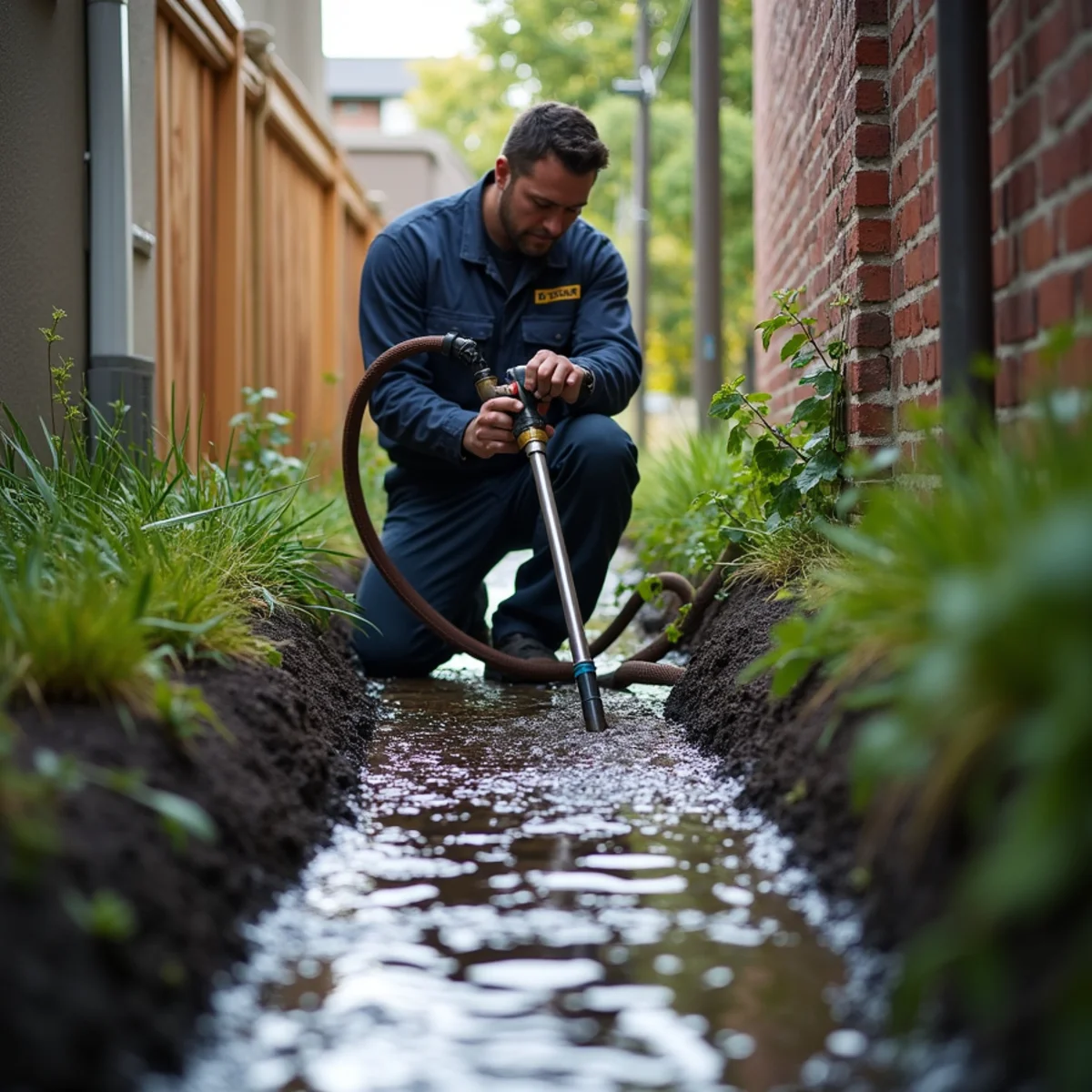
If your Portland basement floods during rainy season, prioritize electrical safety by shutting off power to submerged circuits from a dry location, identify whether water is clean rainwater seepage, plumbing discharge, or sewer backup, verify that your sump pump float switch is operating, extract standing water with submersible pumps, and call an emergency plumbing and waterproofing contractor. Rapid containment within 24–48 hours prevents structural wood framing rot and dangerous mold spore propagation.
- Prioritize electrical isolation; never enter standing basement water if electrical outlets or wiring are submerged.
- Differentiate foundation groundwater intrusion from plumbing supply line ruptures and sewer backflows.
- Test your sump pump float switch and verify that the exterior discharge line is free of pine needles, leaves, or freezing ice.
- Install dual-battery AGM or inverter backup systems to protect against storm power outages during severe atmospheric rivers.
Portland receives upwards of 40 inches of rain every year, the vast majority concentrated between October and April. In low-lying neighborhoods near the Willamette and Tualatin Rivers, groundwater tables rise rapidly, exerting thousands of pounds of hydrostatic pressure against residential basement slabs and foundation footings.
When water breaches your basement walls, floor cracks, or overflows from a failed sump pump, taking immediate action minimizes mold growth and structural rot.
Step 1: Put Electrical Safety First. Never step into a flooded basement if the water level has reached electrical cords, floor outlets, or mechanical equipment. Water conducts electricity, posing deadly shock hazards. If your breaker box is upstairs in a dry area, shut off power to the basement circuits immediately.

Step 2: Identify the Water Source. Is the water clean rainwater seeping through the foundation wall, groundwater overflowing the sump basin, or dark foul-smelling sewage backing up through a floor drain? Clean groundwater requires pumping and dehumidification, while sewer backflow requires hazardous materials quarantine.
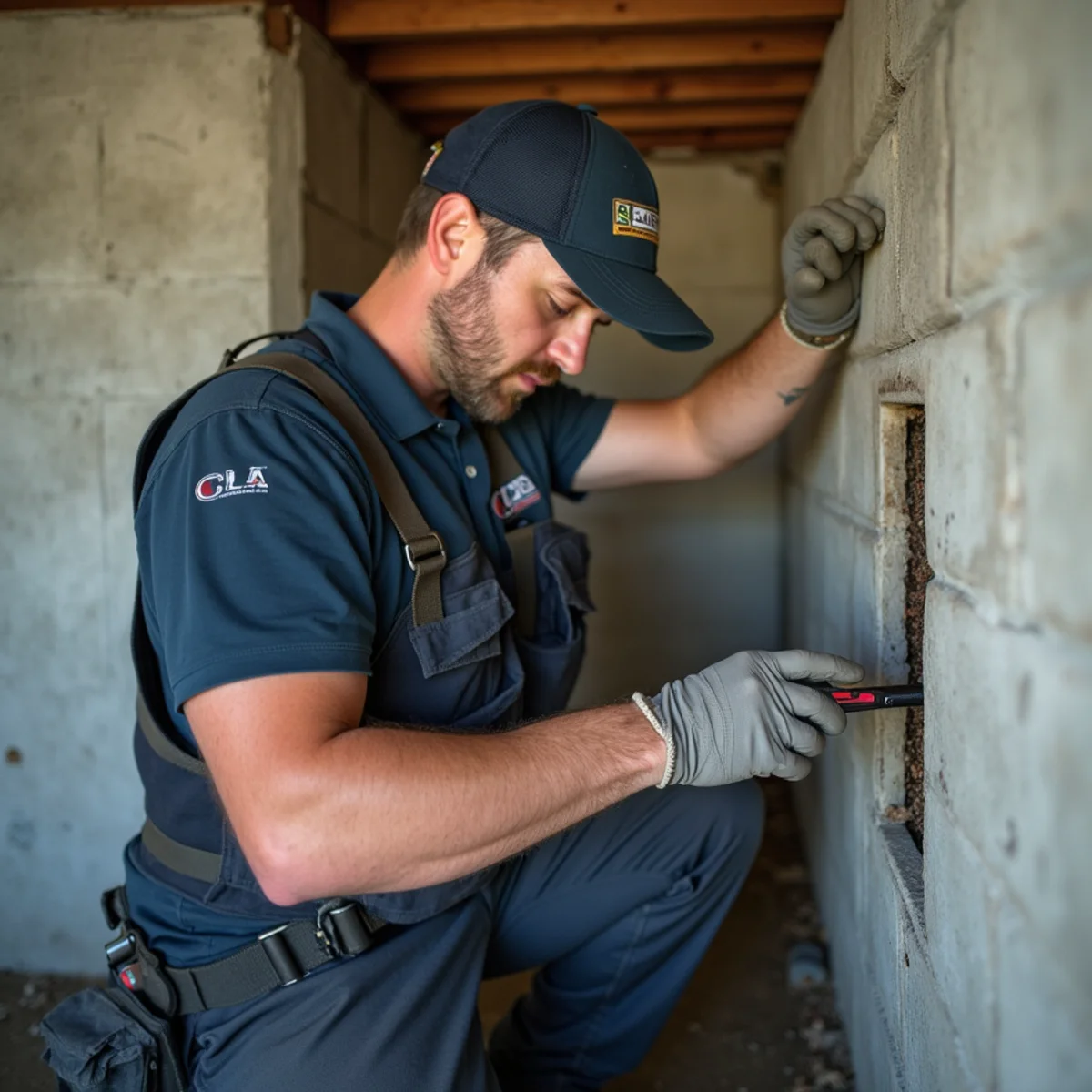
Step 3: Inspect Your Sump Pump. If you have a sump pump basin, check whether the float switch is stuck on the power cord or against the basin wall. Ensure the electrical outlet has power (GFCI outlets often trip during storms). If the motor hums but water is not discharging, the impeller may be choked with gravel or the exterior discharge pipe may be frozen or blocked.
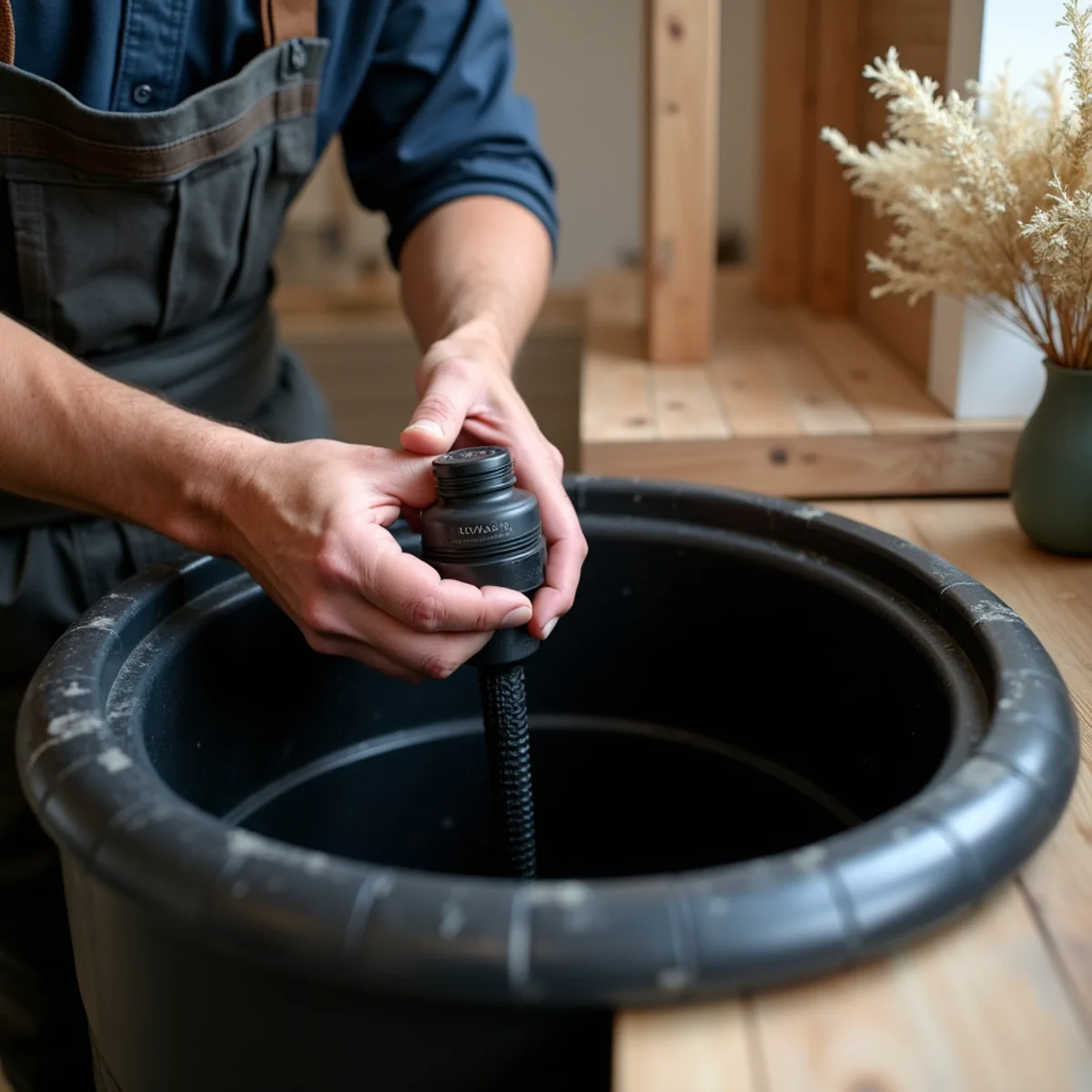
Step 4: Extract Water and Begin Air Circulation. Use a submersible utility pump or wet/dry shop vacuum to remove standing water as quickly as possible. In Portland's damp climate, black mold can colonize damp drywall, carpet padding, and wood framing within 24 to 48 hours.

Step 5: Install a Dual-Battery Sump Pump System. The best defense against future basement flooding is a commercial-grade cast-iron primary pump paired with an auxiliary DC battery backup pump. Call United Plumbing PDX at (831) 290-4327 for same-day emergency pumping and flood prevention upgrades.
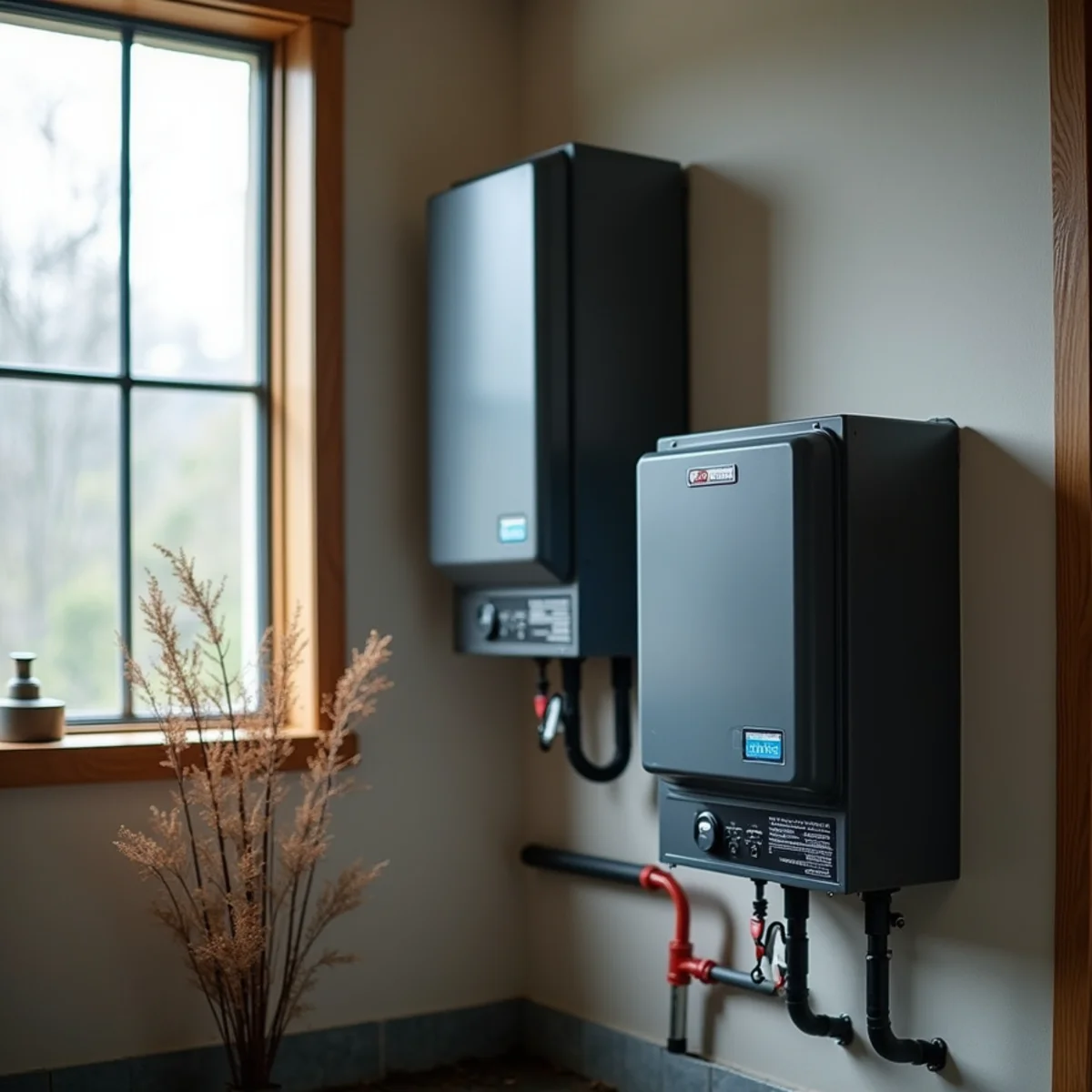
Comprehensive Technical Guide & Portland Field Insights
1. The Physics of Hydrostatic Pressure in Portland Basements
Portland receives an average of 36 to 42 inches of rainfall annually, with the vast majority concentrated between October and April. Prolonged rainfall saturates the native clay soils of the Willamette Valley, creating intense hydrostatic pressure against subterranean concrete foundation walls. When soil reaches total saturation, water seeks path of least resistance through cold joints between footings and slabs, floor cracks, and unsealed form tie holes.
2. Electrical Isolation and Emergency Safety Measures
Before setting foot on a damp or flooded basement floor, evaluate all electrical hazards. If water has reached floor-level junction boxes, washer/dryer receptacles, or the base of your electric furnace, do not touch water or metal appliances. If your main electrical panel is located upstairs or in an unaffected room, trip the main breaker switch. If you cannot reach the panel safely without stepping into water, contact PGE or Pacific Power immediately.
3. Sump Pump Troubleshooting and Float Switch Check
The majority of basement flooding calls during winter storms trace back to sump pump malfunctions. Sump pump failure modes include: (1) mechanical float switches hung up on electrical cords or pit walls, (2) pump intake impellers jammed by sediment or gravel, (3) failed one-way check valves that allow discharge water to cycle back into the pit, and (4) clogged or frozen exterior discharge pipes dumping water back against foundation walls.
4. Rapid Water Extraction and Structural Drying
Mold spores begin colonizing damp drywall, paper, and wood subfloors in as little as 24 to 48 hours in the Pacific Northwest’s mild, damp winter temperatures. Utilize submersible utility pumps and commercial wet-dry vacuums to pump standing pools into storm drains or utility sinks. Position industrial air movers and high-capacity dehumidifiers to reduce ambient relative humidity below 50%.
5. Long-Term Flood Prevention: Interior Drain Tile & Battery Backups
A reliable flood defense requires layered redundancy. Modernizing your basement with an interior perforated French drain tile network directs under-slab water into a sealed sump basin. Pairing your primary 1/2-HP submersible pump with an auxiliary battery-powered backup pump guarantees continuous pumping protection even if winter ice storms knock out neighborhood electrical power for days.
“Over 60% of the flooded basements we pump out each winter in Portland occurred because the home’s sump pump had no battery backup during a storm-induced power outage. A battery backup system is the cheapest insurance a homeowner with a finished basement can buy.” — Mark Evans, Master Plumber (CCB #234891)
Frequently Asked Questions About Basement Flooding During Portland's Rainy Season: First Steps
Why does my Portland basement only flood during heavy winter storms?
Heavy winter rain elevates the water table and saturates the heavy clay soils surrounding Portland homes, generating hydrostatic pressure that forces water through foundation cracks, floor joints, and porous concrete slabs.
Will my homeowner insurance cover groundwater basement flooding?
Standard homeowners insurance policies exclude groundwater seepage and surface runoff flooding unless you carry a dedicated flood insurance policy (NFIP) or have added a Water Backup and Sump Overflow endorsement.
How long can a sump pump run on a battery backup system?
A quality 12-volt AGM deep-cycle battery backup system can operate intermittently for 48 to 72 hours, pumping over 10,000 to 15,000 gallons of groundwater on a single charge during an electrical blackout.
What should I do if my sump pump is running constantly but water isn’t rising?
If the pump runs continuously, either your check valve has failed (allowing pumped water to flow back into the pit), the float switch is stuck in the ON position, or groundwater inflow is unusually heavy.
Related Services & Local Coverage
Written by Mark Evans
Licensed Oregon Master Plumber · CCB #234891. Mark has overseen thousands of residential and commercial plumbing restorations throughout Multnomah County and the Willamette Valley.
Dealing With an Active Plumbing Issue?
Call United Plumbing PDX now at (831) 290-4327 for live 24/7 dispatch across the Portland metro area.