Sewage Backing Up? Emergency Steps for Portland Homeowners
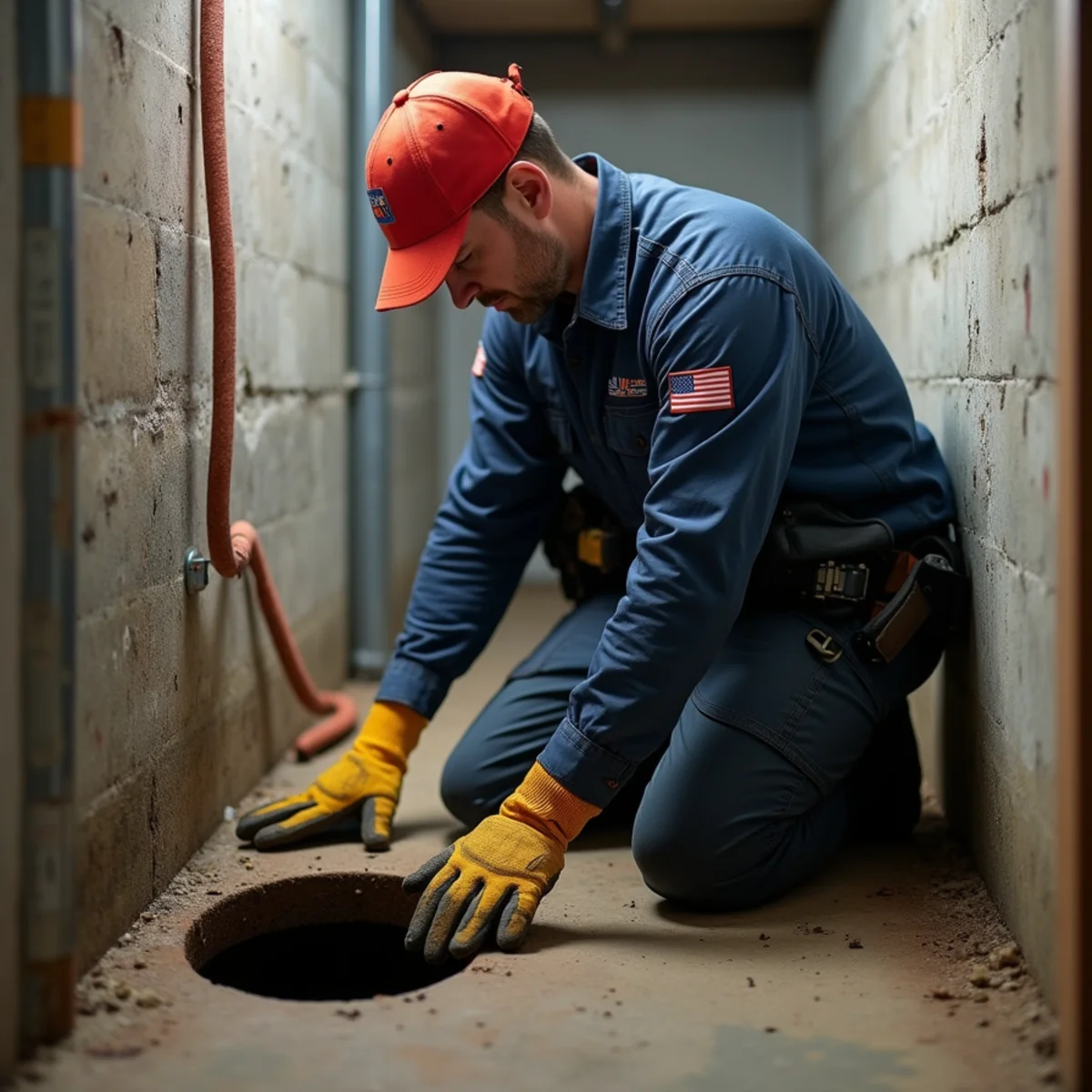
If raw sewage is backing up into your Portland home's drains, immediately stop all household water usage, do not flush toilets or run taps, keep children and pets away from contaminated blackwater, check if municipal street mains are backed up, and call a 24/7 emergency sewer contractor. Sewage backups contain Category 3 biohazards, hazardous bacteria (E. coli, Salmonella), and explosive methane gas that require professional containment, hydro-jetting, and fiber-optic camera inspection.
- Cease all household water use instantly; running water upstairs will immediately overflow ground-floor tubs and toilets.
- Raw sewage is Category 3 blackwater requiring PPE (rubber boots, N95 mask, nitrile gloves) to prevent bloodborne and bacterial illness.
- Portland Bureau of Environmental Services (BES) maintains a 24/7 hotline (503-823-1700) to inspect city main blockages.
- Never pour caustic chemical drain cleaners into a backed-up sewer lateral; they produce toxic fumes and endanger technicians.
There are few household nightmares more distressing than hearing gurgling sounds from your basement drain, followed by dark, foul-smelling raw wastewater bubbling up into your bathtub or shower basin. A sewer backup is not just a messy inconvenience—it is a certified Category 3 biohazard that presents severe health hazards to humans and pets.
In Portland, sewer backups frequently occur during torrential winter storms when rain surcharges older combined stormwater-sewer pipes, or when invasive tree roots from Douglas firs choke off brittle 1920s vitrified clay laterals. Here is how to handle a backup safely.
Rule 1: Cease All Household Water Usage. This is the single most critical rule. When your main sewer line is obstructed, any water that goes down any drain in your house—from flushing an upstairs toilet to running the dishwasher—has nowhere to go and will immediately surge out of the lowest plumbing fixture in your home.
Rule 2: Avoid Contact with Contaminated Blackwater. Category 3 sewage contains harmful bacteria (E. coli, Salmonella), parasites, viruses, and hazardous gases like hydrogen sulfide. Never enter a flooded basement without waterproof rubber boots, eye protection, and disposable gloves. Keep children and pets completely quarantined away from the contaminated area.

Rule 3: Check If Neighbors Are Experiencing the Same Issue. If your next-door neighbors are also experiencing sewer overflows, the issue may be a surcharge in the City of Portland municipal sewer main. Call the Portland Bureau of Environmental Services (BES) 24/7 hotline at 503-823-1700 to report a municipal blockage.
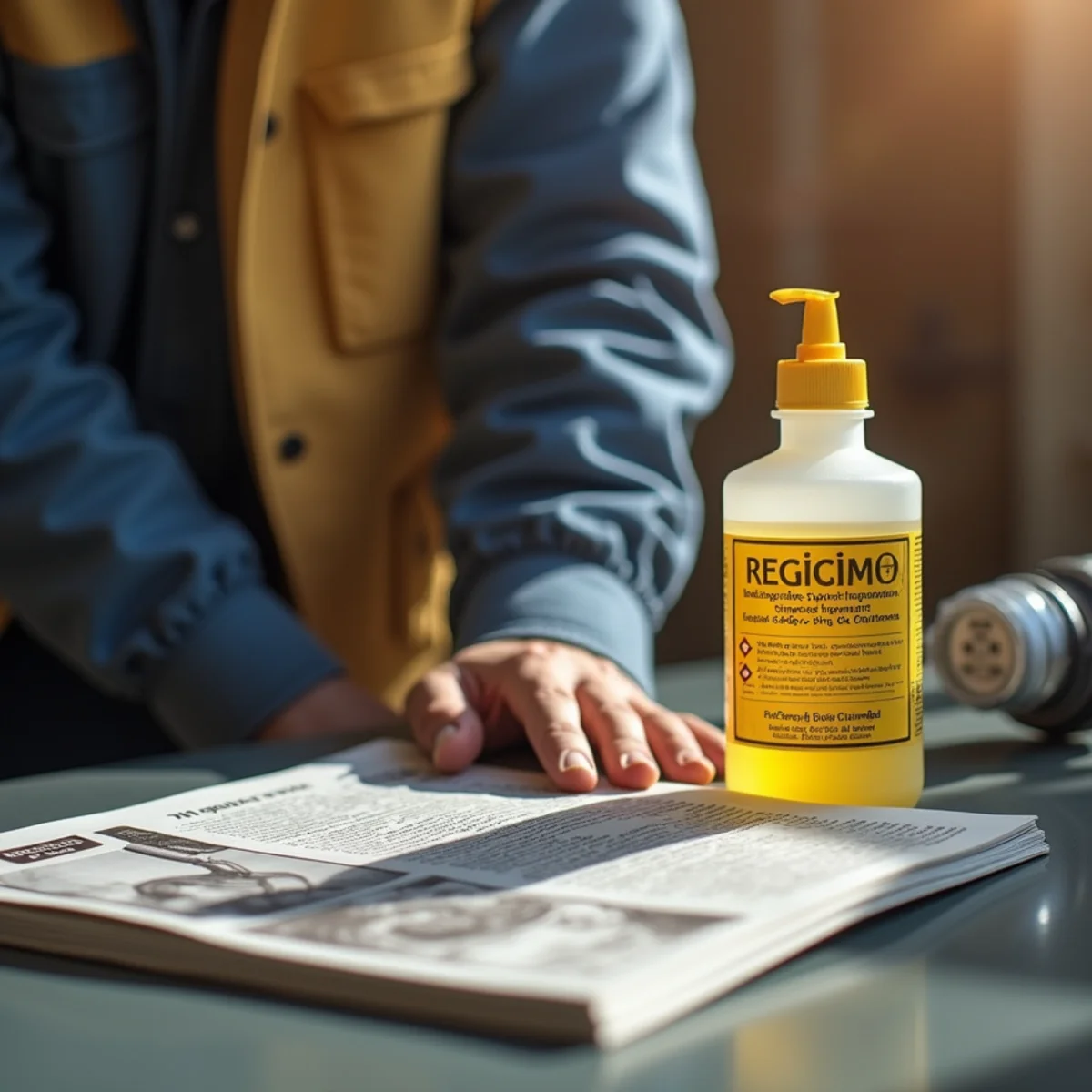
Rule 4: Avoid Chemical Drain Cleaners. Pouring store-bought liquid drain chemicals into a backed-up sewer line is ineffective and dangerous. Chemicals cannot dissolve heavy tree roots or massive grease clogs, and standing caustic acid creates severe chemical burn risks for the plumber who must snake the line.
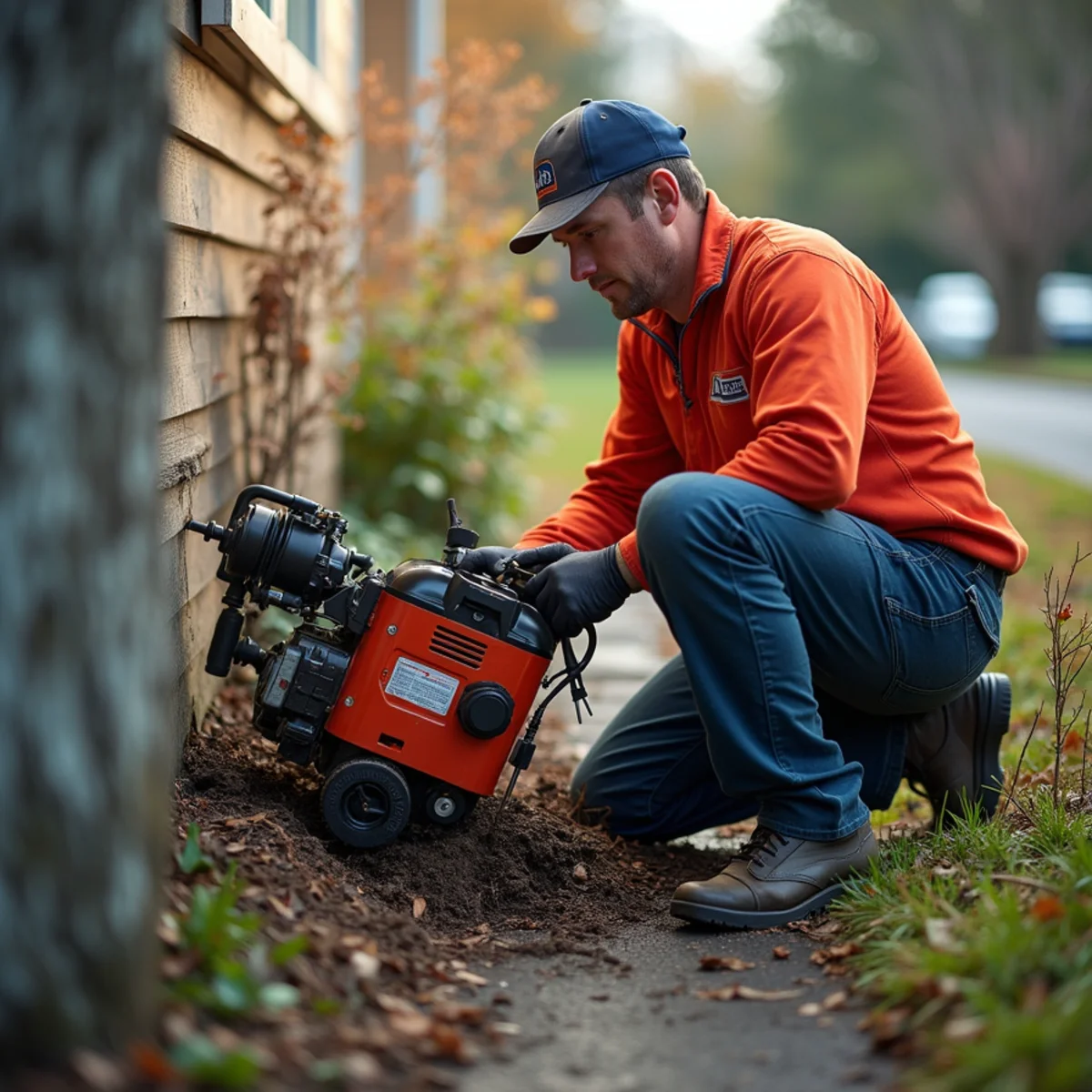
Rule 5: Call for 24/7 Emergency Sewer Clearing. Call United Plumbing PDX at (831) 290-4327. We deploy heavy-duty commercial rooter equipment and fiber-optic sewer cameras to quickly punch through the obstruction, restore drainage, and verify whether your line suffered root damage or structural collapse.
Comprehensive Technical Guide & Portland Field Insights
1. Understanding Category 3 Biohazard Risks in Portland Homes
Municipal wastewater and residential blackwater contain millions of pathogenic organisms per milliliter, including rotavirus, giardia, and E. coli. When wastewater bubbles up through basement floor drains or ground-floor fixtures, porous building materials such as wood framing, subflooring, and carpet padding instantly absorb contaminants. Prolonged exposure can trigger severe respiratory illnesses and permanent gastrointestinal infections.
2. The Private Lateral vs. City Main Jurisdiction
In Portland, homeowners are legally responsible for the private sewer lateral from the foundation all the way to the municipal sewer connection, including the curb line and street connection. However, during torrential winter downpours, municipal storm sewers can become hydraulically surcharged. If your neighbors are also experiencing simultaneous backups, the city main may be surcharged, requiring immediate intervention by Portland BES crews.
3. The Danger of Store-Bought Chemical Drain Cleaners
Many homeowners make the dangerous mistake of dumping sulfuric acid or sodium hydroxide drain cleaners into backed-up toilets or tubs. Chemical cleaners cannot dissolve tree root balls, broken clay pipes, or grease boulders. Worse, standing pools of corrosive acid melt older PVC joints and produce hazardous fumes that splash onto technicians during mechanical snaking.
4. Emergency Optical Camera Inspection & Rooter Clearing
A certified plumbing crew deploys heavy-duty continuous-feed rooter machines with hardened steel carbide cutting blades to chew through obstructive roots and sanitary wipes. Once temporary flow is re-established, high-resolution self-leveling fiber-optic cameras are sent through the entire lateral to pinpoint cracks, root intrusions, pipe belly dips, or collapsed joints beneath sidewalks and driveways.
5. Long-Term Solutions: Hydro-Jetting vs. Trenchless CIPP Relining
Once the acute emergency is cleared, homeowners must choose between recurring maintenance or permanent rehabilitation. High-pressure hydro-jetting (3,500 PSI) scrubs grease and scale back to original pipe diameter. For cracked clay or rusted cast iron, trenchless Cured-In-Place Pipe (CIPP) relining creates a seamless, jointless epoxy sleeve inside the old pipe with a 50-year lifespan without digging up landscaping or driveways.
“In older Portland neighborhoods like Eastmoreland, Irvington, and Sellwood, mature Douglas firs, bigleaf maples, and oaks send microscopic root hairs through mortar joints in century-old vitrified clay pipes. Once inside, roots blossom into dense, woody mats that catch toilet paper and cause catastrophic backups. Regular sewer scope inspections save homeowners thousands in emergency cleanups.” — Mark Evans, Master Plumber (CCB #234891)
Frequently Asked Questions About Sewage Backing Up? Emergency Steps for Portland Homeowners
Why is sewage coming up into my bathtub or shower?
Your bathtub drain sits at the lowest physical elevation in your household drainage network. When the main sewer line is blocked, waste water from upper floors cannot escape to the city sewer and takes the path of least resistance, bubbling up into the lowest drain.
Who is responsible for sewer repairs between my house and the street in Portland?
In Portland, the property owner is responsible for the private sewer lateral from the home all the way to the connection with the city main, even if the pipe runs beneath the public sidewalk or parking strip.
Can I use bleach or vinegar to clean up a sewer backup?
For minor graywater spills on concrete, diluted bleach can disinfect surfaces. However, for porous materials like drywall, carpet, and wood subflooring saturated with Category 3 blackwater, certified professional water restoration and antimicrobial extraction is legally required.
How does trenchless sewer repair work in Portland?
Trenchless CIPP relining pulls an epoxy-saturated fiberglass liner through your existing damaged pipe via a single access cleanout. Once cured in place, it forms a brand-new, root-proof structural pipe without excavating your lawn, driveway, or street pavement.
Related Services & Local Coverage
Written by Mark Evans
Licensed Oregon Master Plumber · CCB #234891. Mark has overseen thousands of residential and commercial plumbing restorations throughout Multnomah County and the Willamette Valley.
Dealing With an Active Plumbing Issue?
Call United Plumbing PDX now at (831) 290-4327 for live 24/7 dispatch across the Portland metro area.