
Fall Plumbing Maintenance Checklist for Oregon Homes

A comprehensive fall plumbing maintenance checklist for Oregon homes includes disconnecting and draining garden hoses, installing insulated spigot covers, closing crawlspace foundation vents, testing your sump pump and float switch, flushing sediment from your water heater tank, inspecting your main water shutoff valve, and clearing leaves from gutters and exterior storm drains. Performing these preventative steps every autumn protects your plumbing against freezing Gorge winds and heavy Pacific Northwest winter rainstorms.
- Disconnect all outdoor garden hoses before temperatures drop below freezing to prevent frost-free spigot ruptures.
- Test your sump pump motor, float switch, and auxiliary battery backup before the winter rainstorm season begins.
- Flush water heater sediment to restore heating efficiency and inspect the temperature and pressure (T&P) relief valve.
- Locate and exercise your main interior water shutoff valve to ensure it operates smoothly in a freeze emergency.
In the Pacific Northwest, October signals the arrival of atmospheric rivers, wet soils, and dropping temperatures. Taking an hour to perform preventative plumbing maintenance in the fall protects your home from costly winter emergencies.
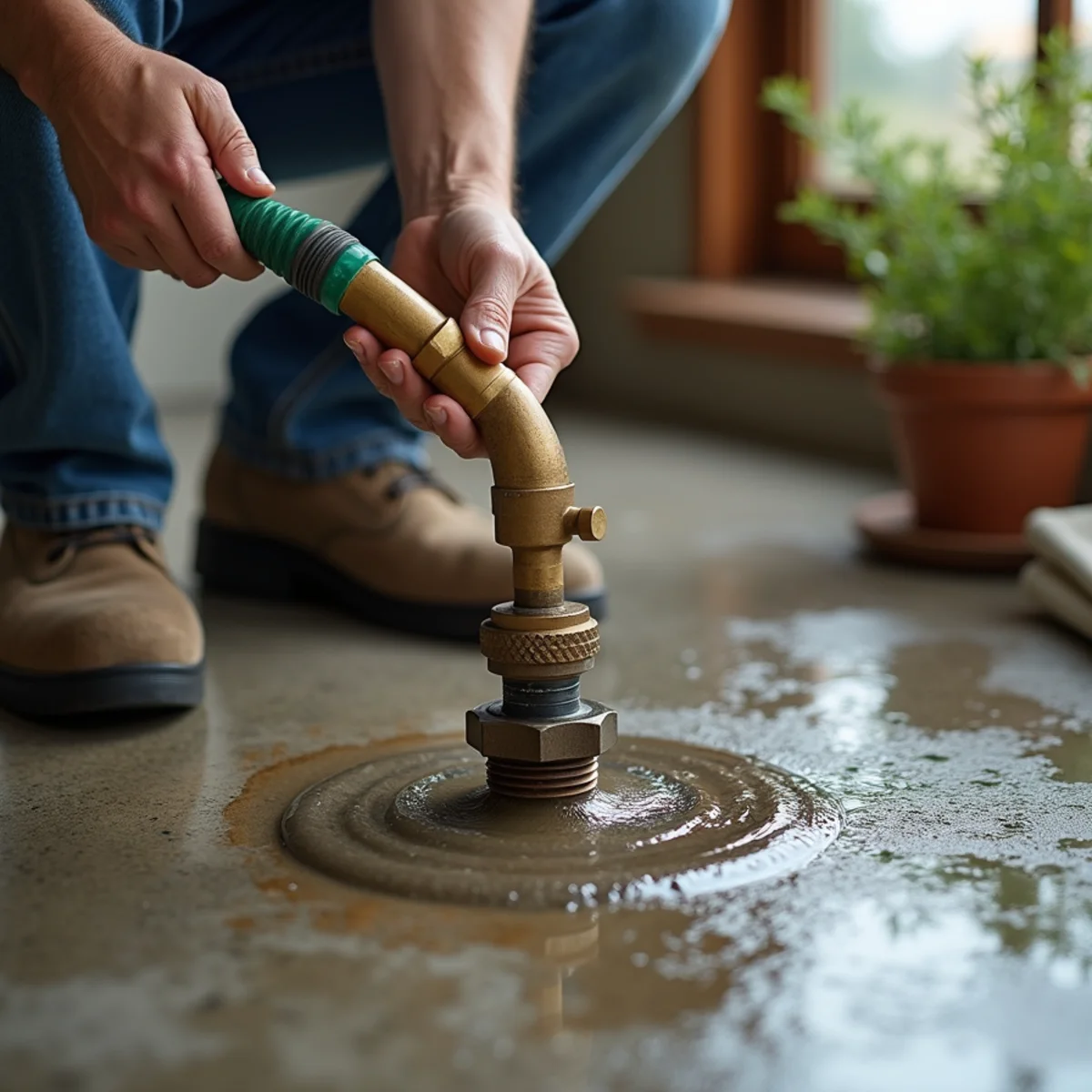
1. Flush Your Water Heater Tank: Over a year of heating water, mineral sediment settles at the bottom of your water heater. Connect a standard garden hose to the drain valve at the base of the tank, route it to a basement drain or driveway, and flush until the water runs completely clear.
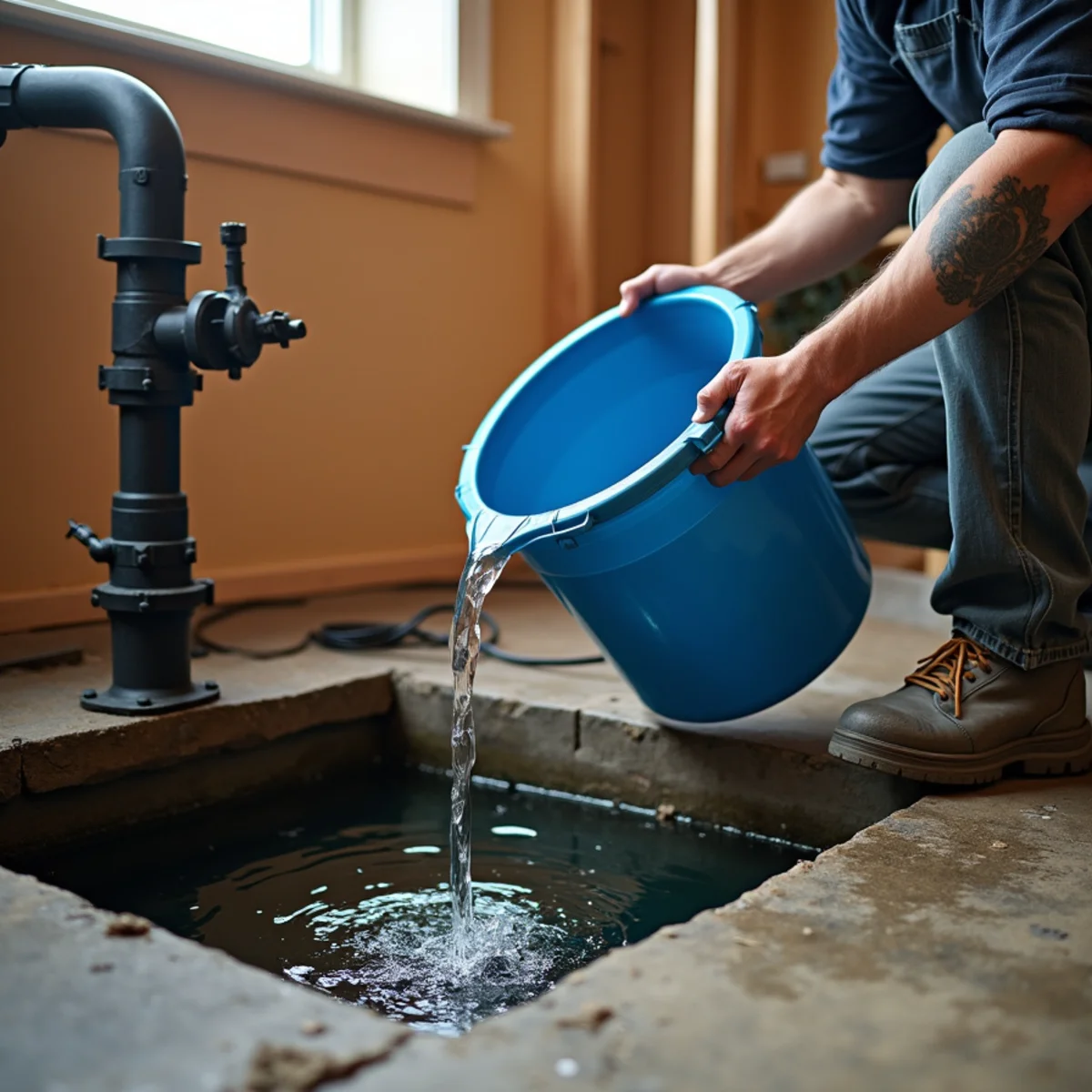
2. Test Your Sump Pump Before the Heavy Rain: Pour a 5-gallon bucket of water directly into your sump pit. Ensure the float switch rises smoothly, the motor engages without grinding, and the water is rapidly discharged away from your home's foundation. Check that the backup battery is fully charged.
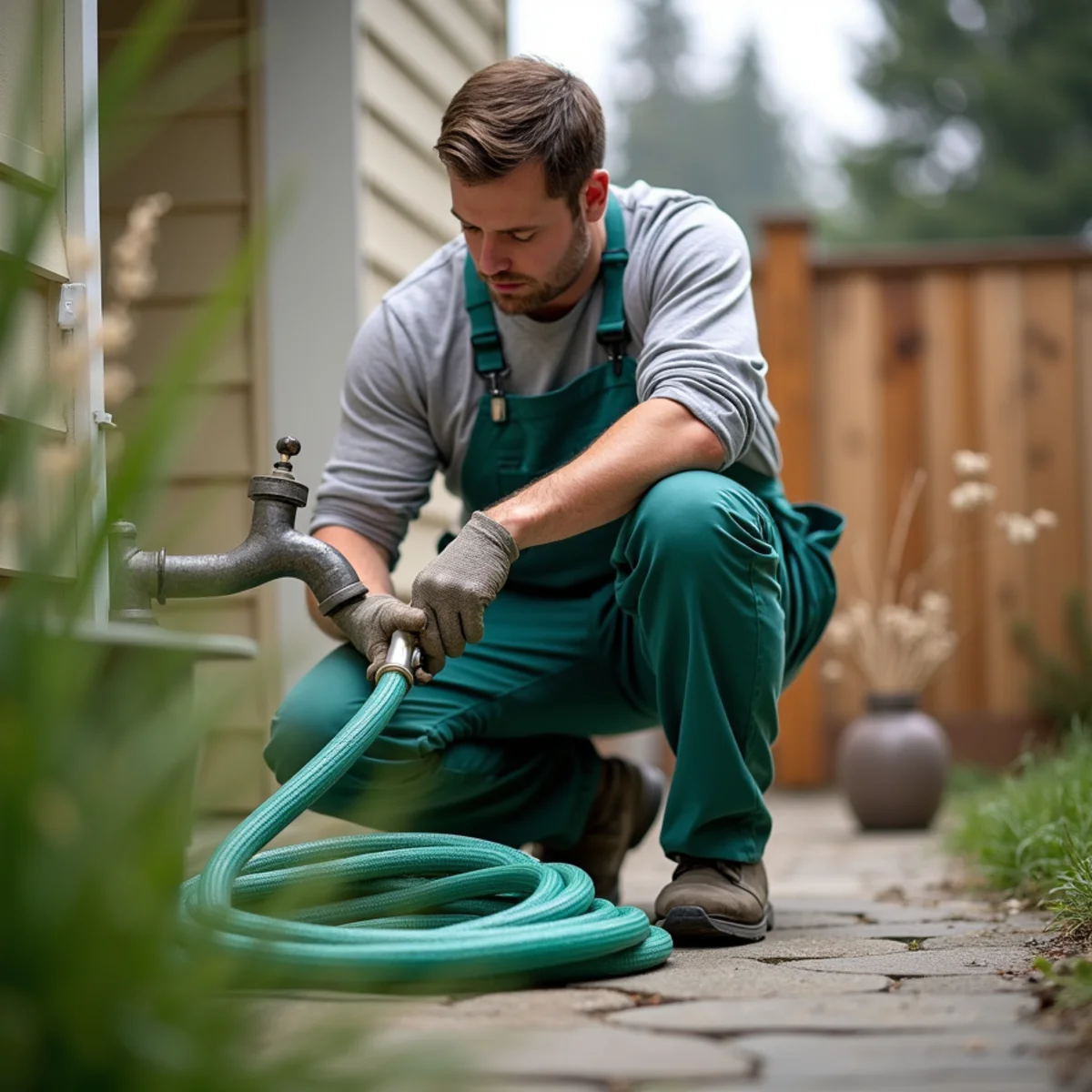
3. Disconnect Garden Hoses and Install Faucet Covers: Remove all garden hoses from outdoor sillcocks. Drain any residual water from the spigots and install insulated foam faucet covers.
4. Clean Gutters and Downspout Drains: Clear leaves and fir needles from gutters and downspout cleanouts. Blocked gutters dump stormwater right against your foundation walls, overwhelming basement drainage.

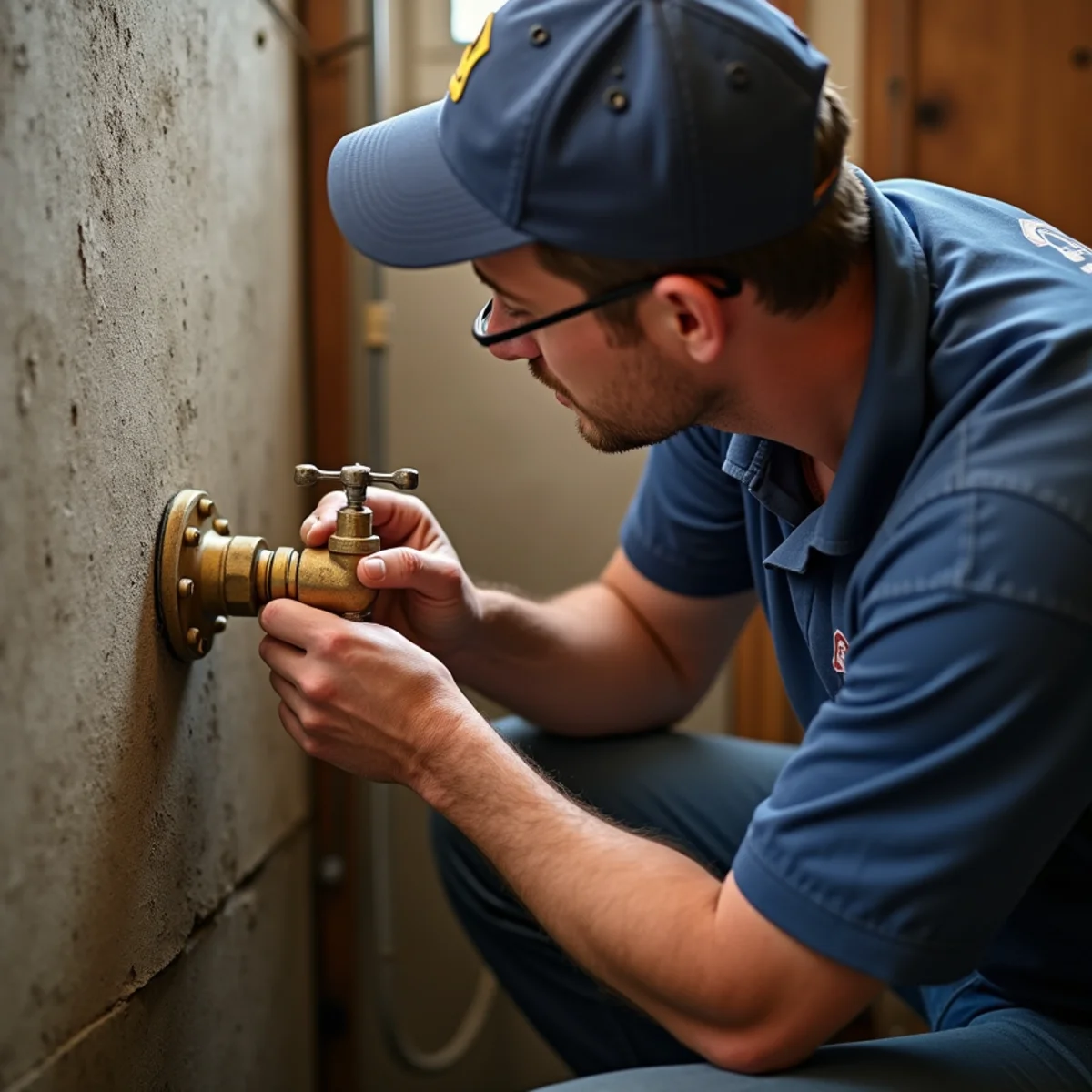
5. Inspect Main Water Shutoff Valve: Make sure your main water shutoff valve turns freely. Older gate valves often freeze in place from mineral scale; replacing an old gate valve with a smooth quarter-turn brass ball valve ensures you can stop water instantly in an emergency.
Schedule your fall plumbing inspection with United Plumbing PDX at (831) 290-4327.
Comprehensive Technical Guide & Portland Field Insights
1. Exterior Spigot and Hose Bib Winterization
Before freezing November nights arrive across the Willamette Valley, walk your property and disconnect every garden hose, splitter, and drip irrigation timer from outdoor hose bibs. Water trapped inside a connected hose prevents modern frost-free spigots from draining, freezing the internal brass valve body inside your wall. Once disconnected, install insulated dome covers over all exterior spigots to provide thermal protection against cold east winds.
2. Sump Pump Basin Inspection and Float Switch Testing
Portland’s winter weather brings prolonged atmospheric rivers that push water tables to foundation level. Prepare your sump pump: disconnect power, remove the basin lid, and scoop out sediment, gravel, or debris that could jam the rotating impeller. Reconnect power and pour a five-gallon bucket of water into the pit to verify that the mechanical float switch triggers the motor smoothly and evacuates water without hesitation.
3. Water Heater Flush and Anode Rod Inspection
Over months of operation, dissolved minerals precipitate out of tap water and settle at the base of your water heater tank. This sediment blanket insulates water from heating elements or gas burners, causing noisy popping sounds and driving up winter energy bills. Attach a garden hose to the lower drain valve and flush the tank clean. Inspect the sacrificial anode rod; if its magnesium or aluminum core is corroded down to the steel wire, replace it to prevent internal tank rust.
4. Foundation Vent Covers and Pipe Insulation
Historic and mid-century homes built over vented crawlspaces are highly susceptible to freezing drafts. Install closed-cell foam vent plugs over all perimeter foundation vents before sub-freezing weather arrives. In unheated basements, crawlspaces, and garages, inspect water supply lines and wrap uninsulated copper or PEX runs with pre-slit polyethylene foam insulation or fiberglass wrap.
5. Exercising Your Main Water Shutoff Valve
In a plumbing freeze crisis, seconds count. Locate your main water shutoff valve (typically in the basement near the street foundation wall or next to the water heater). Turn the valve handle clockwise (for gate valves) or 90 degrees (for ball valves) to confirm that it moves freely and shuts off water completely. Corroded or seized gate valves should be upgraded to modern full-port brass quarter-turn ball valves before winter arrives.
“Autumn is the golden hour for preventative plumbing in Oregon. Spending an hour or two on this checklist in October prevents the panicked 2:00 AM calls during a January ice storm when technicians are booked for days and water is pouring through ceilings.” — Mark Evans, Master Plumber (CCB #234891)
Frequently Asked Questions About Fall Plumbing Maintenance Checklist for Oregon Homes
When should I winterize my plumbing in Oregon?
You should complete your fall plumbing winterization checklist between late September and mid-October, before the first overnight frost and the arrival of heavy winter rains.
Should I close my crawlspace vents in the winter in Oregon?
Yes. Closing foundation vents prevents sub-freezing east winds from circulating around exposed plumbing pipes. Remember to reopen them in spring to prevent humidity and mold in the crawlspace.
How do I know if my sump pump check valve is working?
When the pump finishes pumping water out of the basin and shuts off, listen closely. If you hear water rushing backward into the pit, your one-way check valve flapper is stuck open and needs replacement.
How often should a water heater be flushed in Portland?
We recommend flushing your water heater tank once a year every autumn to remove sediment buildup and maintain optimal heating performance.
Related Services & Local Coverage
Written by Mark Evans
Licensed Oregon Master Plumber · CCB #234891. Mark has overseen thousands of residential and commercial plumbing restorations throughout Multnomah County and the Willamette Valley.
Dealing With an Active Plumbing Issue?
Call United Plumbing PDX now at (831) 290-4327 for live 24/7 dispatch across the Portland metro area.