
How to Find a Hidden Water Leak in Your Portland House
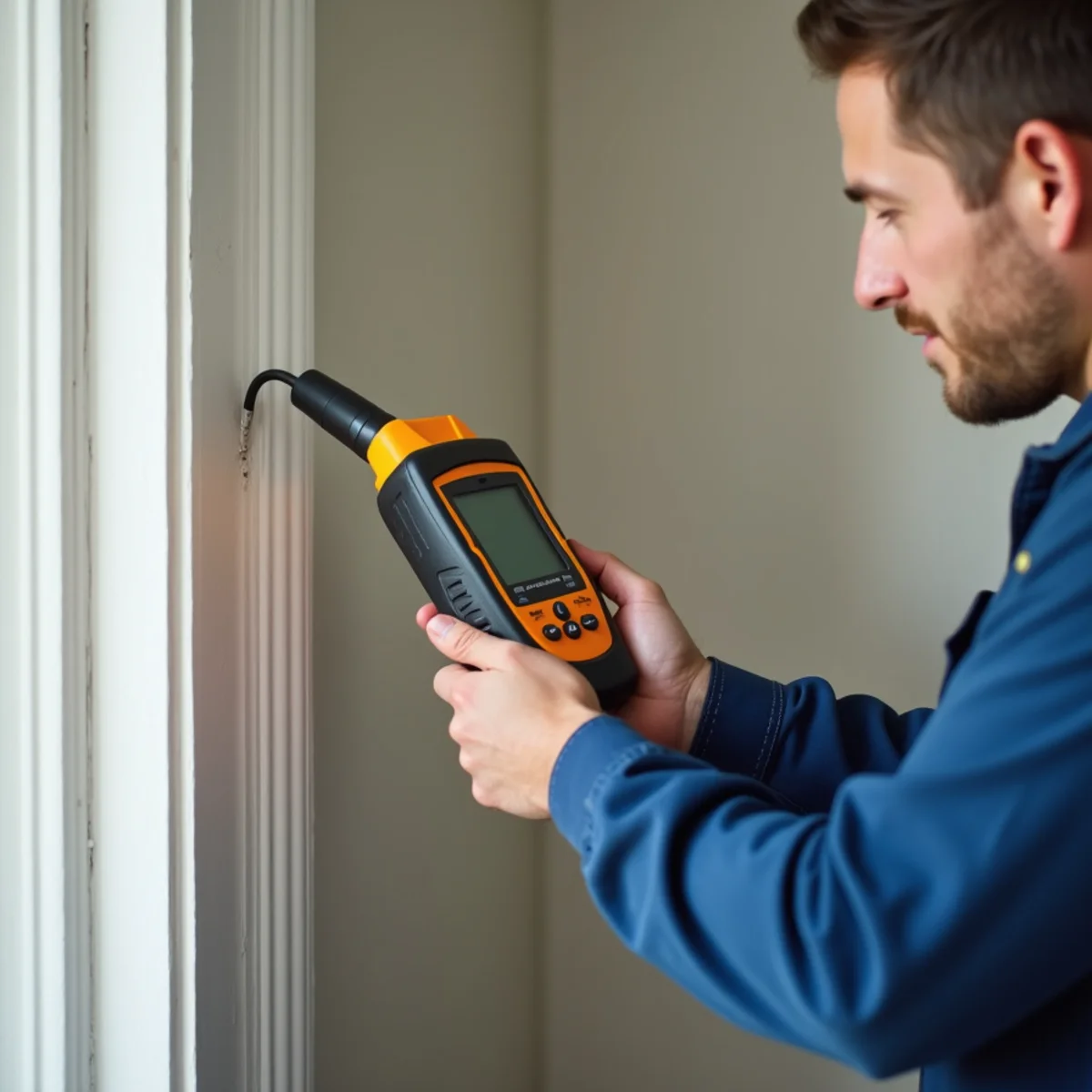
To find a hidden water leak in your Portland home, start by reading your water meter: ensure all household water is off, inspect the meter's low-flow leak indicator dial for movement, and note readings over a two-hour window. Indoors, check for damp spots along drywall, warm spots on hardwood or slab floors, musty odors, warped baseboards, and unexplained water bill spikes. Professional acoustic listening devices, thermal imaging cameras, and tracer gas equipment pinpoint concealed leaks behind walls or beneath concrete slabs with zero destructive exploration.
- The water meter test is the definitive DIY verification of an active pressurized plumbing supply leak.
- Unexplained surges on your Portland Water Bureau utility bill frequently point to silent underground lateral or slab leaks.
- Thermal imaging infrared cameras identify subtle temperature differentials behind drywall caused by evaporating water.
- Acoustic electronic listening devices allow technicians to hear pressurized water escaping beneath concrete foundation slabs.
A surprise $400 quarterly utility bill from the Portland Water Bureau is often the first clue that pressurized water is escaping somewhere inside your plumbing system. Unfortunately, slow pinhole leaks can run for months behind drywall, beneath concrete slabs, or in damp crawlspaces before visible water stains appear.
Here is how to perform a precision leak check using your water meter.
The 30-Minute Water Meter Leak Test: 1. Turn off all water fixtures inside and outside your home. Ensure washing machines, dishwashers, ice makers, and automated irrigation controllers are completely inactive. 2. Locate your water meter vault near the sidewalk or curb in front of your property. Remove the concrete lid carefully. 3. Look at the meter register dial. Most modern meters feature a small triangular or star-shaped 'flow indicator' dial. If this indicator is slowly spinning while all household fixtures are off, water is leaking somewhere. If you have a digital register, note the numbers, wait 30 minutes without running water, and check if the total has increased.
Is the Leak Inside or Outside? To isolate the leak, locate your main house shutoff valve (where the water line enters your basement or crawlspace) and close it completely. Go back to the street water meter. If the meter has stopped spinning, the leak is located inside the house plumbing. If the meter continues to spin, the leak is located in your underground service line between the street meter and your foundation.
Testing for Running Toilets: Toilets are the most common cause of silent water loss. Drop 5 to 6 drops of dark food coloring into the toilet tank. Wait 20 minutes without flushing. If colored water appears in the bowl, your flapper valve is worn out and leaking hundreds of gallons daily.
Professional Electronic Leak Detection: If you cannot locate the leak visually, call United Plumbing PDX at (831) 290-4327. We deploy thermal infrared cameras and ultrasonic acoustic sensors to pinpoint hidden leaks without opening walls.
Comprehensive Technical Guide & Portland Field Insights
1. The Step-by-Step Portland Water Meter Diagnostic Test
Your Portland Water Bureau meter is your most accurate diagnostic tool. Locate the cast-iron meter vault at the street curb or sidewalk. Ensure all household water fixtures—including washing machines, ice makers, and irrigation systems—are completely shut off. Open the meter lid and inspect the dial face. Most modern digital and analog meters feature a small triangular or star-shaped 'low-flow leak indicator' dial. If this dial spins even slightly while all fixtures are off, pressurized water is escaping somewhere on your property. Alternatively, record the meter digits, wait two hours without running water, and recheck for reading changes.
2. Distinguishing Interior Fixture Leaks from Underground Supply Leaks
If your meter indicates a leak, determine whether it is located inside the house or in the underground yard line between the meter and foundation. Locate your main interior shutoff valve inside your basement or crawlspace and turn it off completely. Now recheck the street meter: if the leak indicator stops spinning, the leak is located inside your home's walls or fixtures. If it continues spinning, the underground main supply pipe beneath your lawn or driveway has fractured.
3. Common Indoor Hidden Leak Locations in Portland Homes
Concealed leaks often hide in plain sight: (1) Running toilet flappers that waste hundreds of gallons daily without making a sound (test with food coloring in the tank); (2) Pinhole leaks along hot water copper lines beneath bathroom vanities; (3) Slow weepage around shower pan mixing valves behind tiled walls; and (4) Corroded shutoff valves feeding washing machine hoses.
4. Professional Non-Invasive Leak Detection Technologies
Gone are the days when plumbers had to demolish entire walls or jackhammer concrete slabs on a hunch. United Plumbing PDX utilizes state-of-the-art non-invasive diagnostic tools: High-resolution FLIR thermal imaging cameras display temperature maps revealing cool evaporation zones or hot water pipe leaks inside wall chases. Ultrasonic acoustic listening equipment amplifies the micro-hissing frequency of pressurized water escaping through concrete foundation slabs.
5. Mitigating Secondary Damage and Mold Risks
In the Pacific Northwest’s damp climate, hidden leaks create the perfect breeding ground for toxic Stachybotrys black mold and wood-destroying rot fungi within 48 to 72 hours. Once a leak is located and surgically repaired, thorough structural moisture testing and commercial dehumidification ensure framing lumber dries completely.
“Many homeowners only discover hidden leaks when they receive an astronomical $600 Portland Water Bureau bill. If your water bill suddenly spikes without an increase in household usage, shut off your water immediately and test the meter. Catching a leak early prevents structural rot that can cost tens of thousands to remediate.” — Mark Evans, Master Plumber (CCB #234891)
Frequently Asked Questions About How to Find a Hidden Water Leak in Your Portland House
How do I know if a leak is under my concrete slab foundation?
Key signs of a slab leak include hot spots on finished flooring, the sound of running water when fixtures are off, low water pressure, cracks in floor tiles, and unexplained spikes in water heating bills.
Will the Portland Water Bureau credit my bill for a repaired leak?
Yes. The Portland Water Bureau offers an underground leak adjustment credit on water and sewer charges if you submit proof of professional repair by a licensed plumbing contractor.
How do plumbers find leaks without tearing down walls?
We use non-invasive acoustic ground microphones, infrared thermal imaging cameras, and moisture meters that detect temperature differentials and sound vibrations through drywall and concrete slabs.
Can a leaking toilet cause high water bills?
Absolutely. A silent toilet flapper leak can waste up to 200 gallons of water per day, adding $70 to $150 per month to your Portland utility bill.
Related Services & Local Coverage
Written by Mark Evans
Licensed Oregon Master Plumber · CCB #234891. Mark has overseen thousands of residential and commercial plumbing restorations throughout Multnomah County and the Willamette Valley.
Dealing With an Active Plumbing Issue?
Call United Plumbing PDX now at (831) 290-4327 for live 24/7 dispatch across the Portland metro area.