
Low Water Pressure in Portland Homes: Causes & Fixes
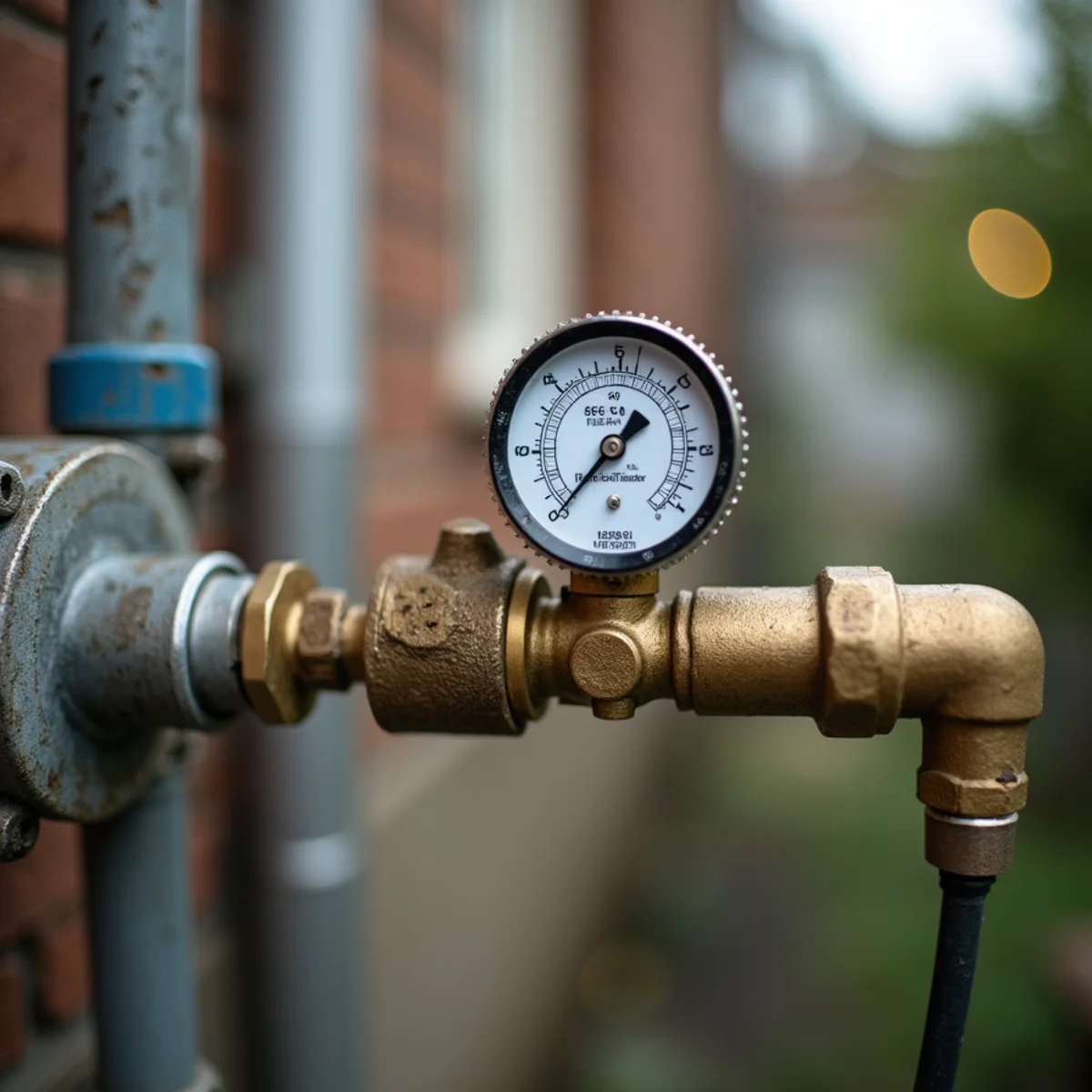
Low water pressure in Portland homes is typically caused by failing Pressure Reducing Valves (PRVs), internal mineral scale and rust constriction inside vintage galvanized steel pipes, municipal water main maintenance, clogged aerators and showerheads, or hidden supply line leaks. If low pressure affects the entire house, test your incoming municipal pressure with a hose bib gauge; if pressure is below 40 PSI, your PRV likely requires calibration or replacement.
- Municipal water pressure in Portland typically arrives at the curb between 60 and 90 PSI.
- A failed Pressure Reducing Valve (PRV) can malfunction closed, dropping whole-house water pressure to a trickle.
- Vintage galvanized iron pipes choke water flow over time with heavy internal rust tubercles.
- Isolated low pressure at a single faucet is usually caused by clogged aerator screens or mineral-scaled cartridge valves.
Low water pressure transforms everyday tasks—showering, washing dishes, doing laundry—into frustrating chores. When water pressure plummets, pinpointing whether the restriction is localized to a single faucet or affects the entire home is the first step toward a permanent fix.
Is It One Fixture or the Whole House? If only your master bathroom sink has weak flow, unscrew the aerator screen at the tip of the spout; mineral sediment often clogs the wire mesh. If your shower has low pressure, the pressure-balancing cartridge inside the valve body may be calcified or gummed up with debris.
Whole-Home Low Pressure Cause 1: Failing Pressure-Reducing Valve (PRV). Most Portland homes have a bell-shaped brass pressure regulator installed near the main water shutoff. Municipal mains deliver high pressure (80 to 120 PSI) across Portland's hilly topography, and the PRV steps this down to a safe 50 to 65 PSI. When the internal rubber diaphragm or spring fails after 8 to 12 years, the valve often chokes water flow down to a weak trickle.
Whole-Home Low Pressure Cause 2: Corroded Galvanized Iron Piping. If your home was built before 1970 and still has original galvanized steel pipes, internal rust and mineral scale have likely constricted the pipe's internal diameter from 3/4-inch down to the size of a straw. The only permanent remedy is whole-home repiping with Uponor PEX-A.
Whole-Home Low Pressure Cause 3: Partially Closed Main Shutoff Valve. If recent plumbing work was performed, verify that your main gate or ball valve was reopened 100%.
Call United Plumbing PDX at (831) 290-4327. We measure exact dynamic water pressure and diagnose restrictions quickly.
Comprehensive Technical Guide & Portland Field Insights
1. Understanding Portland Water Pressure Dynamics
Portland's drinking water originates in the Bull Run Watershed in the Cascade foothills and flows to the city via gravity and high-pressure transmission mains. Depending on your neighborhood elevation (e.g., West Hills high zones versus flat Eastside neighborhoods), municipal pressure at the water meter can range from 45 PSI to well over 100 PSI. To protect residential plumbing fixtures from high-pressure ruptures, building codes mandate a Pressure Reducing Valve (PRV) on supplies exceeding 80 PSI.
2. The Role of the Pressure Reducing Valve (PRV)
The PRV is a brass, bell-shaped valve installed on your main water line where it enters the home. Inside the PRV, a spring-loaded diaphragm steps down high municipal pressure to a safe, steady 50 to 65 PSI. Over 10 to 15 years, the internal diaphragm weakens, tears, or seizes from sediment. When a PRV fails in the closed position, household water pressure drops dramatically across every fixture in the home.
3. Galvanized Pipe Mineral Scale Constriction
If your home was built before 1965 and still contains original galvanized water pipes, low pressure is an inherent systemic issue. Decades of internal corrosion create heavy rust scale, narrowing the pipe diameter. Homeowners often notice that pressure is acceptable when one faucet runs, but opening a second tap causes the shower to drop to a trickle—a classic symptom of volume restriction rather than pressure loss.
4. Diagnosing Single-Fixture vs. Whole-House Pressure Loss
Troubleshooting begins by isolating the issue: If low pressure occurs at only one kitchen or bathroom sink, unscrew the faucet aerator at the tip of the spout. Mineral grit and pipe sediment frequently clog these fine wire mesh screens. Soak the aerator in vinegar or replace it. If pressure is weak throughout the entire property, the cause is your main shutoff valve, PRV, municipal supply, or an underground yard leak.
5. Professional Solutions: PRV Replacement and Whole-House Repiping
A licensed master plumber from United Plumbing PDX connects calibrated pressure gauges to multiple points in your plumbing system to measure both static pressure (fixtures off) and residual dynamic pressure (fixtures flowing). If your PRV is defective, we install a commercial-grade Watts or Wilkins valve. If galvanized corrosion is the culprit, a whole-house Uponor PEX-A repipe restores full volume and pressure permanently.
“Homeowners often confuse water pressure with water volume. If your gauge reads 60 PSI with the taps closed, but pressure drops to 20 PSI when you flush a toilet, you have a volume constriction caused by corroded galvanized piping. Repiping is the only true fix.” — Mark Evans, Master Plumber (CCB #234891)
Frequently Asked Questions About Low Water Pressure in Portland Homes: Causes & Fixes
What is the normal water pressure for a Portland home?
Ideal residential water pressure is between 50 and 65 PSI. Pressure below 40 PSI feels weak and sluggish, while pressure exceeding 80 PSI damages appliances, water heaters, and toilet fill valves.
Can I adjust my Pressure Reducing Valve myself?
While PRVs have an adjustment bolt on top, adjusting it without an accurate pressure gauge can dangerously over-pressurize household pipes. A licensed plumber should calibrate the valve.
How long does a Pressure Reducing Valve last?
PRVs typically last 10 to 15 years in Portland before their internal rubber diaphragms and springs wear out from municipal pressure fluctuations.
Why did my water pressure suddenly drop overnight?
A sudden whole-house drop in water pressure is usually caused by a municipal main break in your neighborhood, a partially closed main shutoff valve, a failed PRV, or a major supply line rupture.
Related Services & Local Coverage
Written by Mark Evans
Licensed Oregon Master Plumber · CCB #234891. Mark has overseen thousands of residential and commercial plumbing restorations throughout Multnomah County and the Willamette Valley.
Dealing With an Active Plumbing Issue?
Call United Plumbing PDX now at (831) 290-4327 for live 24/7 dispatch across the Portland metro area.