
Protecting Pipes During a Portland-Area Ice Storm
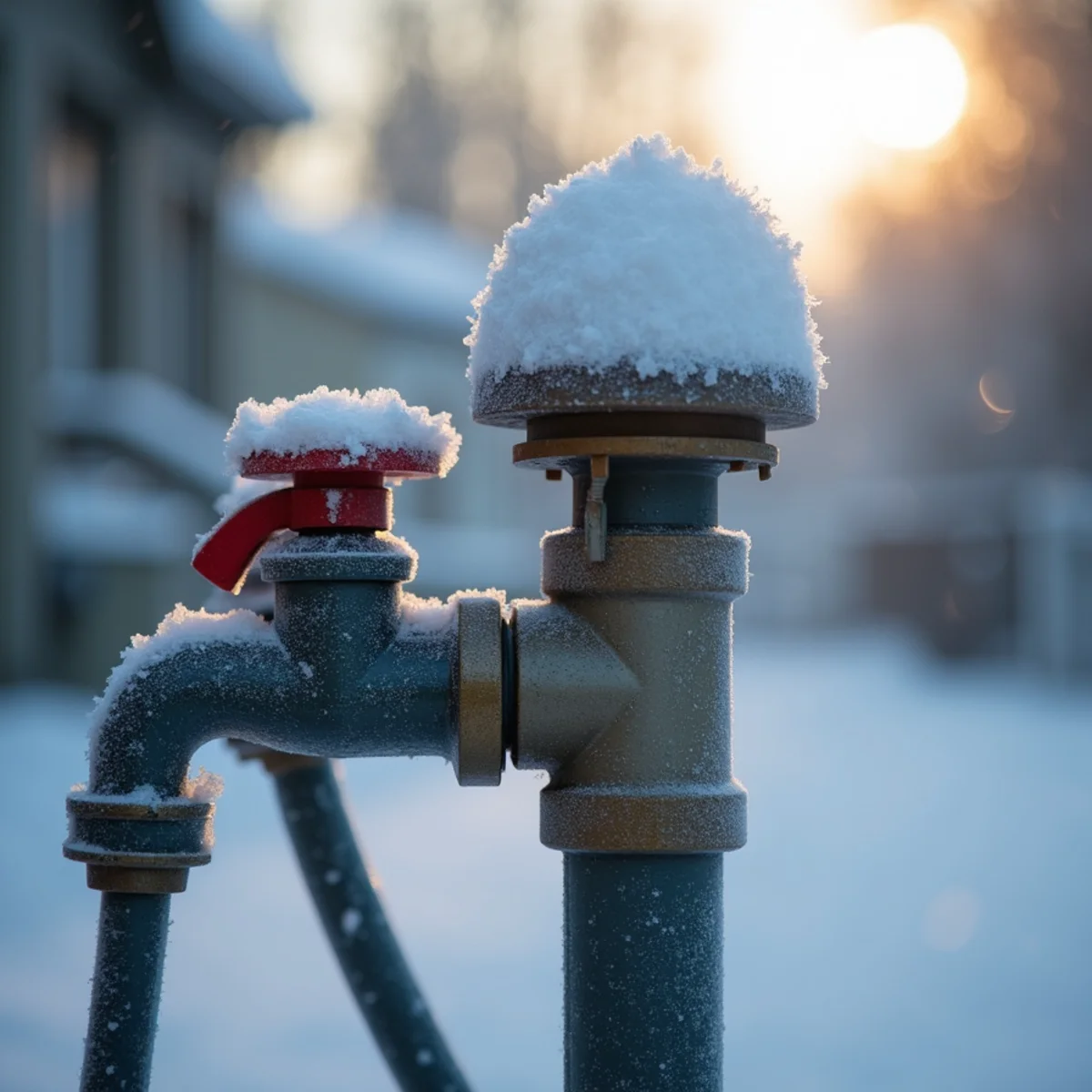
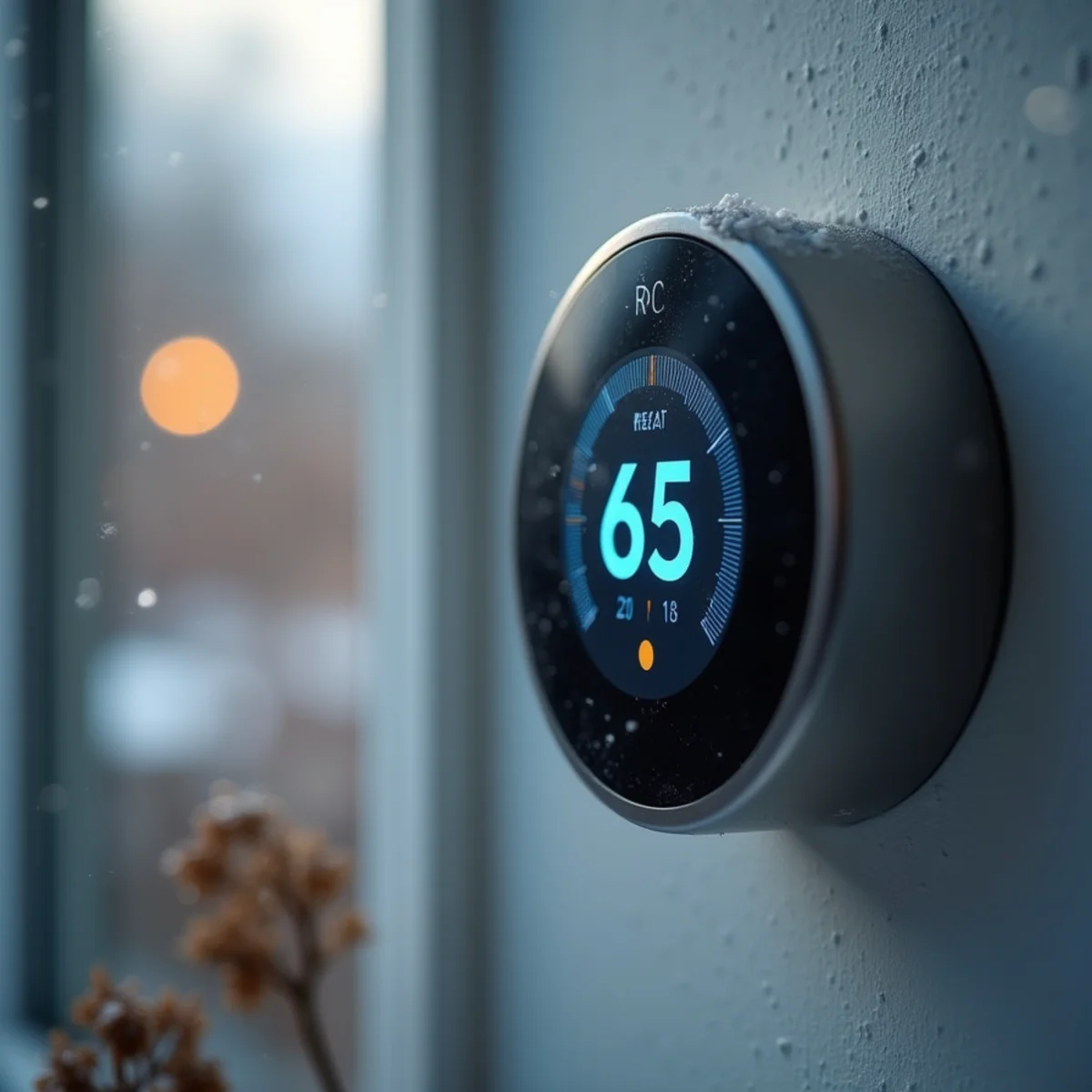
To protect your plumbing pipes during a severe Portland ice storm, disconnect all garden hoses from outdoor faucets, install insulated freeze-proof spigot covers, close crawlspace foundation vents, open cabinet doors under kitchen and bathroom sinks to allow indoor heated air to circulate, keep faucets running with a pencil-lead thin stream of cold water, and maintain your thermostat at 65°F or higher around the clock. If power goes out, shut off the main water valve and drain all plumbing fixtures by gravity.
- Sub-freezing Columbia River Gorge winds drop local wind chill into the single digits, freezing exposed pipes rapidly.
- Leaving garden hoses connected prevents frost-free hose bibs from draining, causing internal valve rupture behind siding.
- Allowing faucets to drip continuously relieves hydraulic pressure between ice blockages and closed faucet valves.
- If a major winter power blackout strikes, immediately shut off your main water supply and drain all interior lines.
Portland's maritime climate is generally mild, but winter weather patterns periodically bring arctic high pressure from eastern Oregon screaming down through the Columbia River Gorge. Known locally as the 'Gorge wind,' these sub-freezing gales plunge temperatures into the teens and coat the metro area in thick ice.
Because Portland homes are not built to midwestern arctic insulation standards, freeze-thaw events cause hundreds of burst pipes every winter. Here is how to safeguard your home.
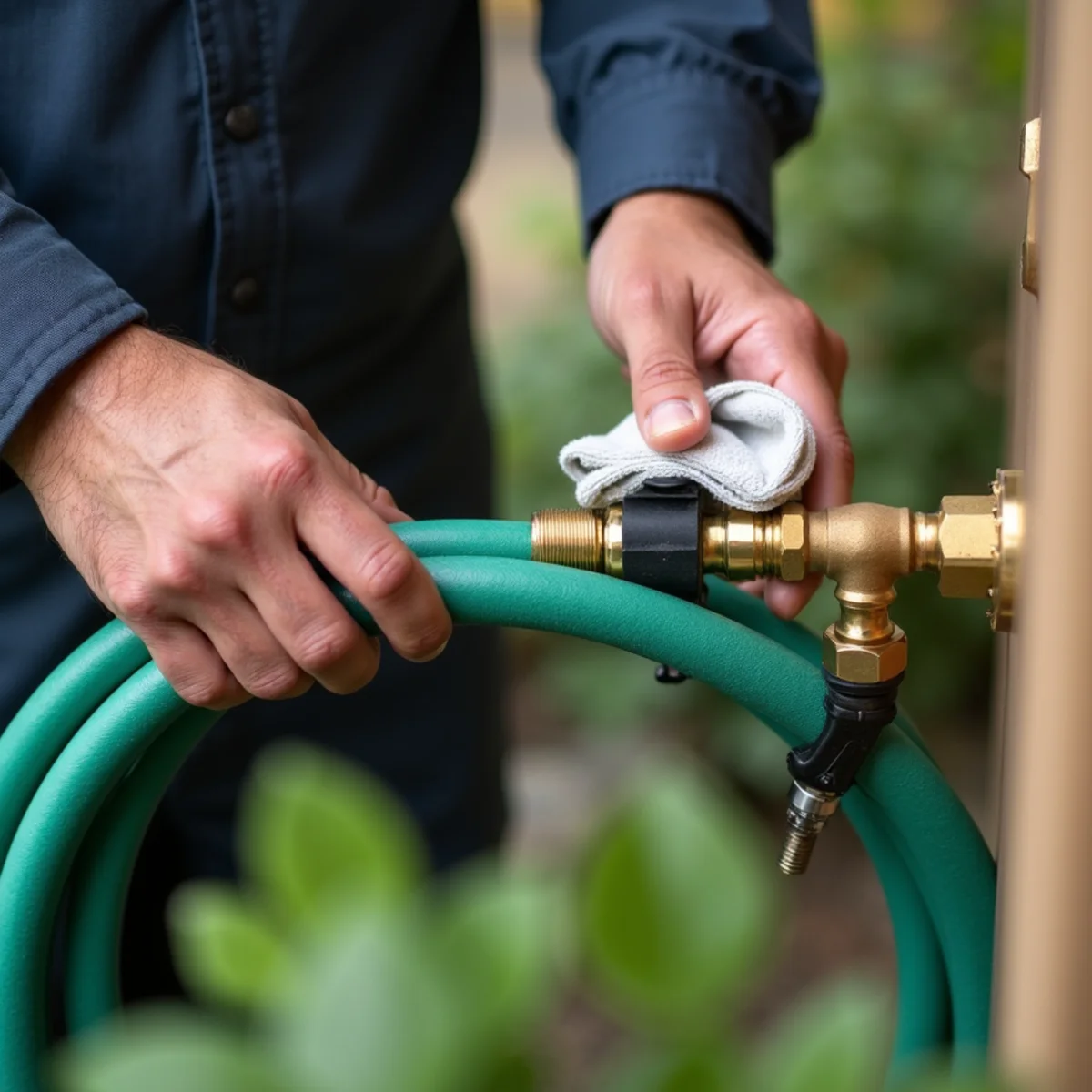
Step 1: Disconnect All Garden Hoses Immediately. Leaving a garden hose connected to an outdoor spigot traps water inside the faucet body. When it freezes, the ice expands backward and ruptures the brass pipe inside your exterior wall. Disconnect all hoses and install foam faucet insulation caps.
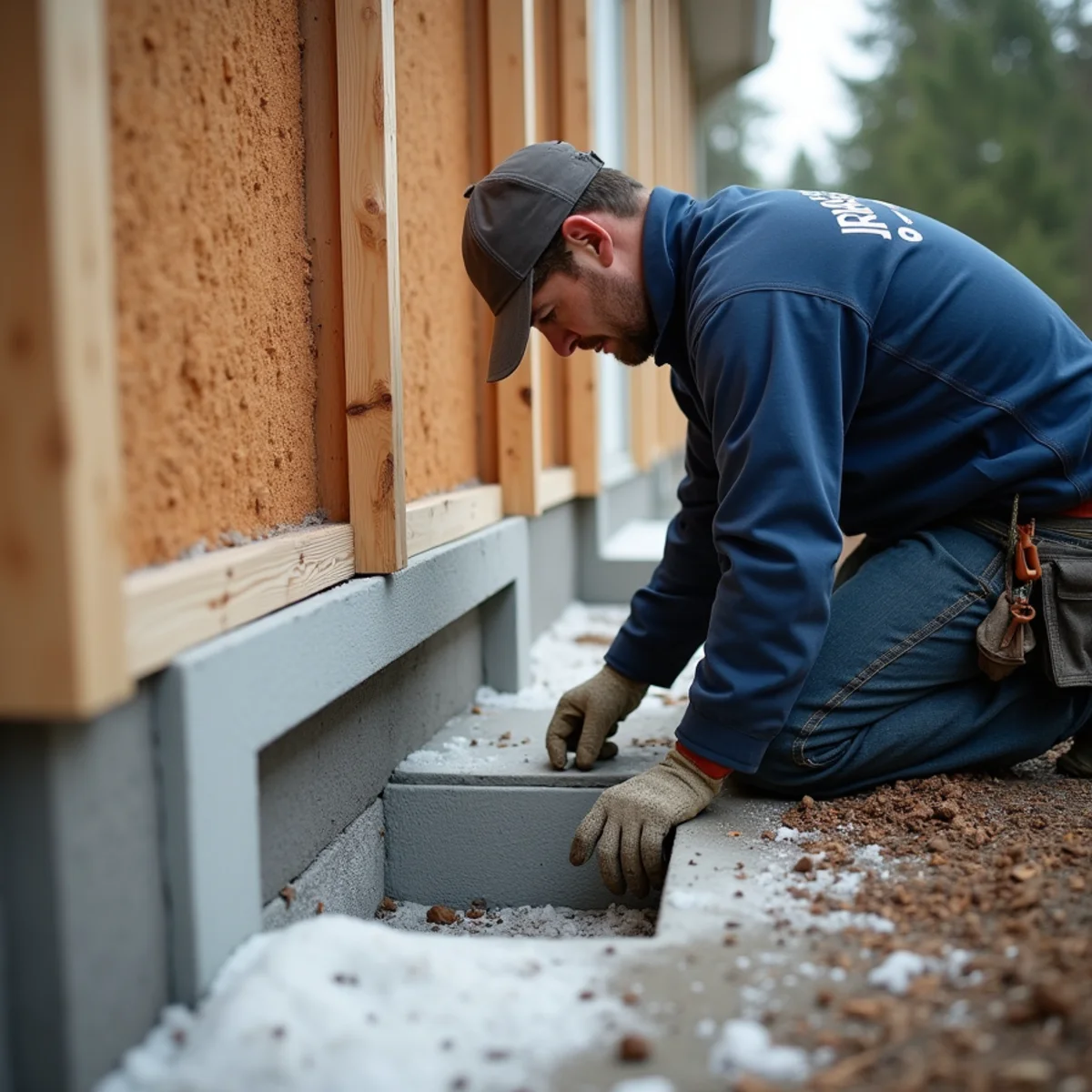
Step 2: Seal Crawlspace Vents. Cold Gorge winds blowing through open crawlspace foundation vents will freeze uninsulated water pipes within hours. Cover all perimeter vents with snug foam insulation plugs before winter cold snaps arrive.
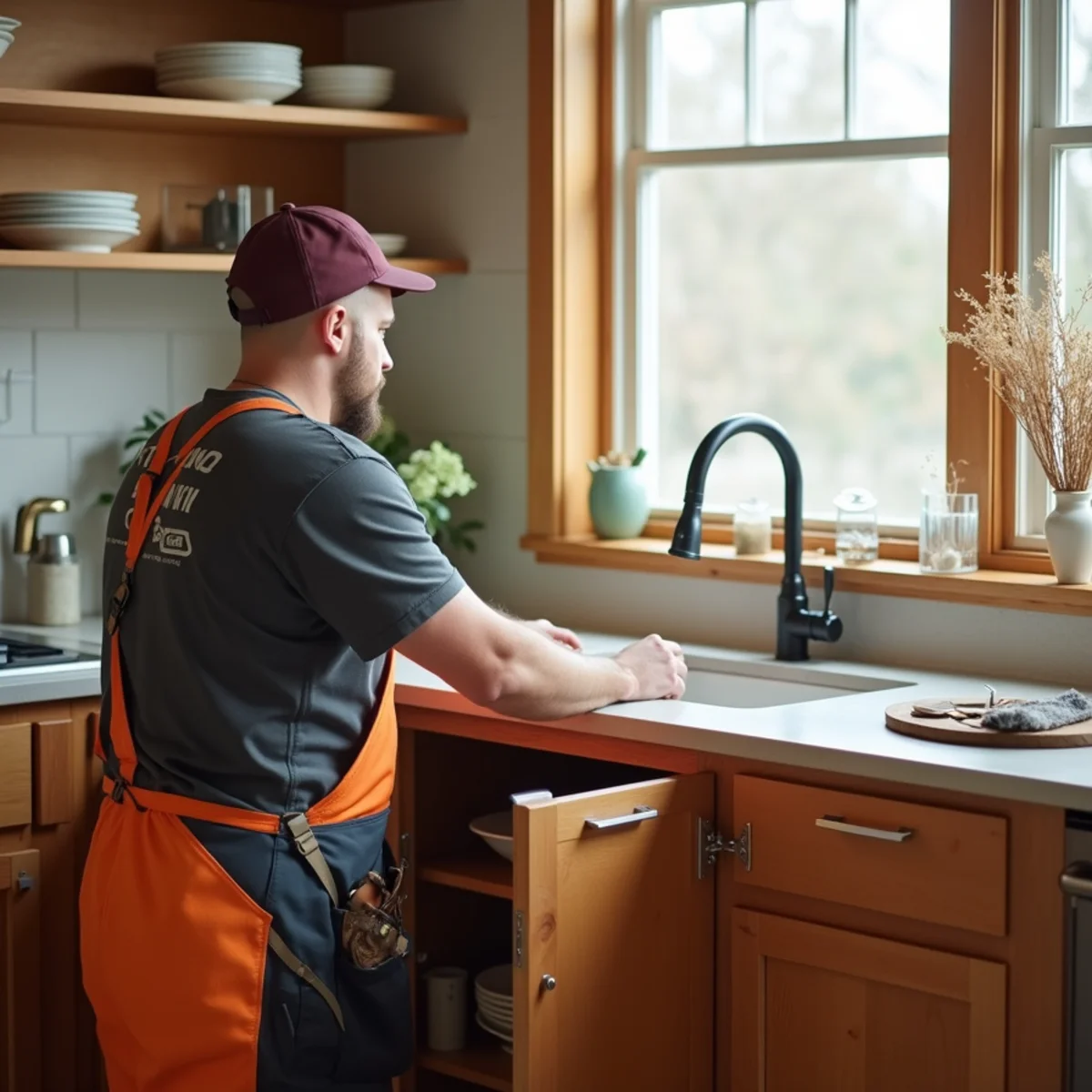
Step 3: Open Cabinet Doors Beneath Sinks. Kitchen and bathroom vanities located against exterior walls block heated indoor air from reaching plumbing pipes. Leave vanity doors wide open so household warmth can circulate around supply lines and P-traps.
Step 4: Keep Faucets Dripping on Cold Nights. When temperatures drop below 28°F, allow a slow, steady trickle of cold water to drip from faucets connected to exterior wall pipes. Moving water resists freezing, and the open faucet relieves hydrostatic pressure if ice does begin to form.
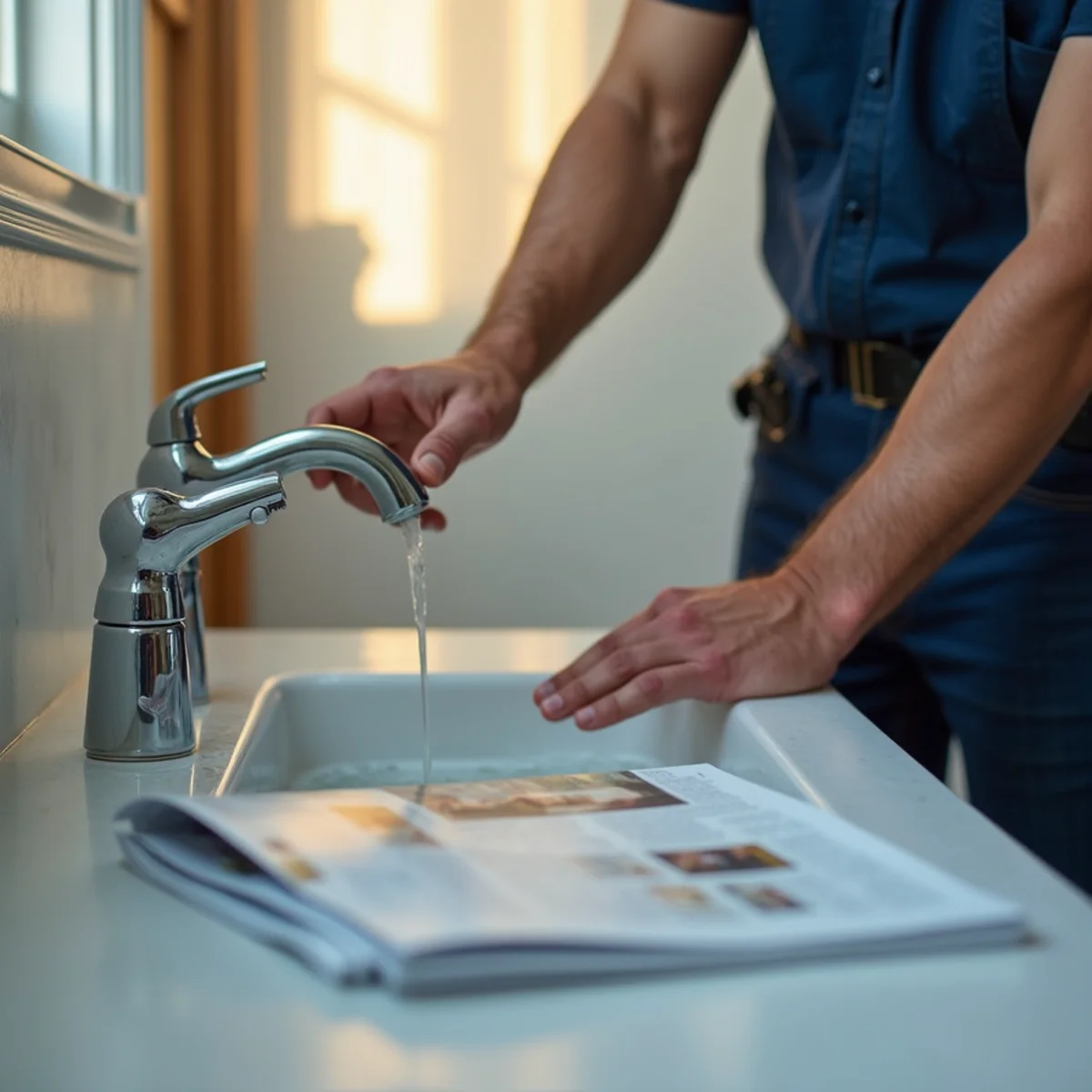
Step 5: Maintain Continuous Heat. Never turn your thermostat below 60°F during a cold snap, even if leaving the house. If power fails, drain your plumbing lines by turning off the main water valve and opening all faucets.
If a pipe freezes in your Portland home, never use an open-flame blowtorch! Call United Plumbing PDX at (831) 290-4327 for safe, commercial thermal thawing.
Comprehensive Technical Guide & Portland Field Insights
1. The Unique Meteorological Danger of Portland Ice Storms
Portland’s geographical position at the mouth of the Columbia River Gorge makes it exceptionally vulnerable to severe winter freeze events. Cold arctic high pressure east of the Cascades forces freezing air through the Gorge gap, colliding with Pacific moisture. This creates devastating freezing rain and sustained sub-freezing east winds of 35 to 55 MPH. Wind chill funneled through foundation vents and uninsulated wall cavities can freeze indoor pipes in as little as three to four hours.
2. The Critical Danger of Connected Garden Hoses
Modern homes feature 'frost-free' hose bibs designed with a long brass stem that shuts off water deep inside the heated wall envelope. However, if a homeowner leaves a garden hose attached during winter, water remains trapped inside the faucet barrel. When this trapped water freezes and expands, it splits the brass tube inside the wall. The leak remains dormant until spring when the valve is opened, dumping dozens of gallons per minute into finished interior walls.
3. The Science of the Faucet Drip: Why It Works
Many homeowners mistakenly believe that letting a faucet drip prevents freezing because moving water cannot freeze. In reality, dripping water relieves the hydraulic pressure buildup that causes pipes to rupture. When an ice plug forms in a pipe, expanding ice pushes liquid water against the closed faucet valve, elevating pressure to catastrophic levels (2,000+ PSI). A slightly open tap provides an escape path, preventing pipe rupture even if ice forms.
4. Protecting Crawlspaces and Exterior Wall Cavities
In autumn, walk your home perimeter and install closed-cell foam covers over all foundation crawlspace vents to block freezing Gorge drafts. Inside the home, open vanity cabinet doors beneath sinks situated along exterior walls, allowing warm 68°F room air to circulate around plumbing traps. If you have pipes running through an unheated garage, wrap them with polyethylene foam insulation tubes or self-regulating electric heat tape.
5. Emergency Protocol During Winter Power Blackouts
During catastrophic ice storms like those experienced across Portland, downed trees frequently knock out electrical power for days. When home temperatures drop below 40°F, freeze damage is imminent. Shut off your main water valve at the meter or basement wall immediately. Open every faucet in the house from top to bottom, flush toilets to empty tanks, and pour RV non-toxic antifreeze into all sink P-traps and toilet bowls.
“Whenever a freeze warning is issued for the Portland metro area, our phones ring off the hook with burst pipe emergencies. Nine times out of ten, the freeze could have been completely prevented simply by disconnecting an outdoor garden hose or opening sink cabinet doors before going to bed.” — Mark Evans, Master Plumber (CCB #234891)
Frequently Asked Questions About Protecting Pipes During a Portland-Area Ice Storm
Which faucets should I drip during a Portland freeze?
Drip faucets that are located on exterior walls, as well as faucets that are furthest away from your main water shutoff valve. A pencil-lead thin stream is ideal.
Should I drip hot or cold water during a freeze?
Drip both hot and cold lines slightly, or drip a single-handle faucet positioned in the center. Hot water pipes freeze just as easily as cold water pipes when uninsulated.
What temperature causes pipes to freeze in Portland?
Pipes can begin freezing when outdoor temperatures drop below 20°F for more than 4 to 6 hours, particularly when accompanied by strong easterly winds through foundation vents.
What should I do if a pipe is already frozen but hasn't burst yet?
Keep the faucet open, shut off the main water supply to prevent flooding upon thawing, and gently warm the frozen pipe section with a hair dryer or space heater. Never use an open flame torch.
Related Services & Local Coverage
Written by Mark Evans
Licensed Oregon Master Plumber · CCB #234891. Mark has overseen thousands of residential and commercial plumbing restorations throughout Multnomah County and the Willamette Valley.
Dealing With an Active Plumbing Issue?
Call United Plumbing PDX now at (831) 290-4327 for live 24/7 dispatch across the Portland metro area.