
Tree Roots in Sewer Lines: A Common Portland Problem
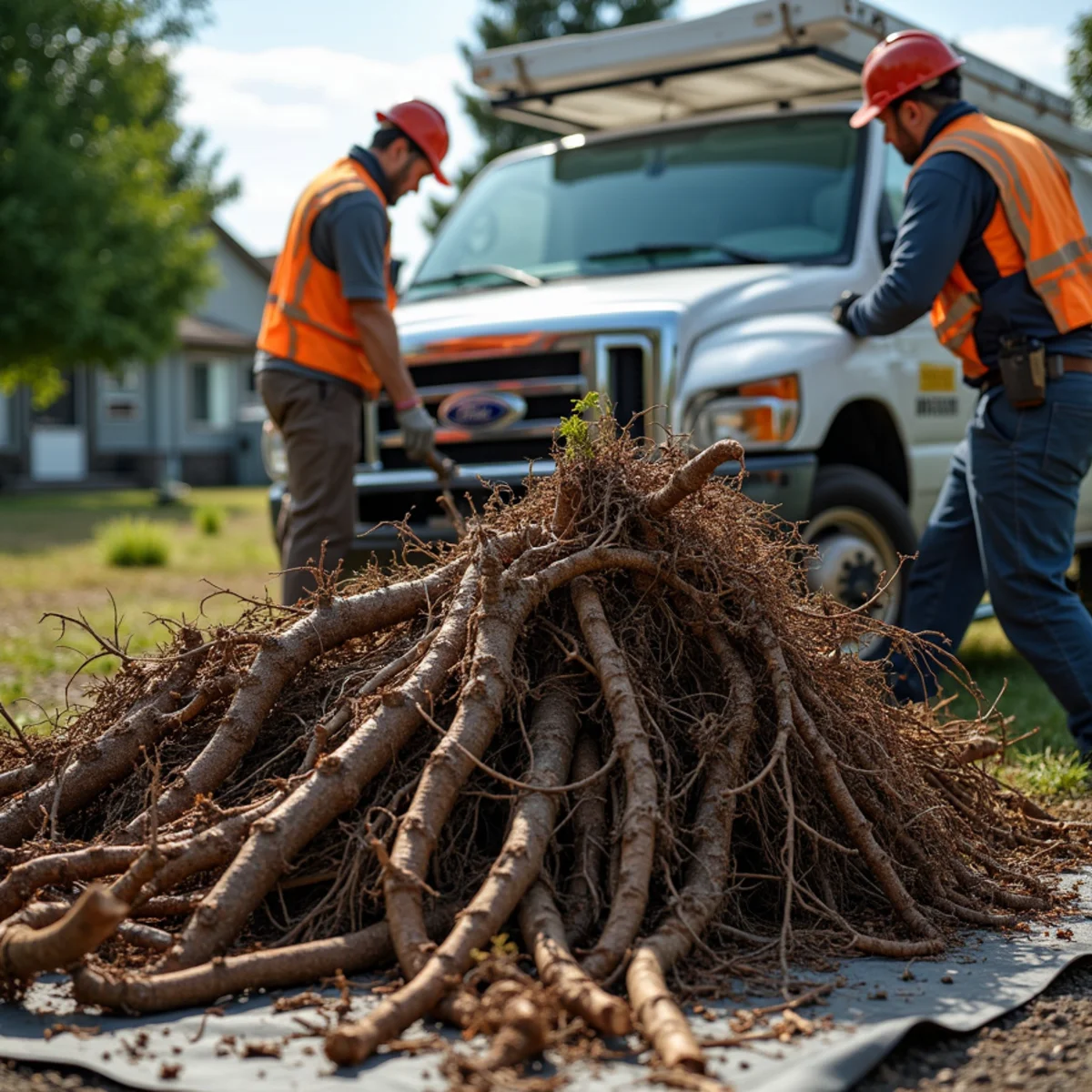
Tree roots in sewer lines are one of the most widespread plumbing problems in Portland due to the city’s lush tree canopy (Douglas firs, bigleaf maples, oaks) and extensive pre-1970 vitrified clay and concrete sewer pipes. Roots detect warmth, moisture, and nutrients venting from microscopic pipe joints, infiltrate hairline gaps, and expand into dense woody mats that block wastewater. Solving root intrusion requires camera diagnosis, mechanical root cutting, high-pressure hydro-jetting, and permanent trenchless CIPP pipe relining.
- Portland's mature tree canopy and damp climate create aggressive root-seeking behavior toward underground sewer warmth.
- Vintage vitrified clay and concrete pipes feature mortar joints every 3 to 5 feet that degrade and allow root ingress.
- Mechanical root cutters provide temporary emergency relief, but severed roots regrow thicker within 6 to 12 months.
- Trenchless CIPP relining seals the entire lateral in seamless epoxy, permanently locking out tree roots for 50+ years.
Portland proudly celebrates its designation as an urban forest. Giant Douglas firs, weeping willows, English walnuts, and silver maples grace front yards across every quadrant of the city. However, beneath the surface, these magnificent trees pose a relentless threat to residential sewer laterals.
How Tree Roots Enter Underground Sewer Lines: Vitrified clay and concrete sewer pipes installed prior to the 1980s were assembled in short 3-to-5-foot sections connected with mortar or bitumen seals. Over decades, ground settlement and moisture shifts cause joints to crack or open. Tree roots are naturally hydro-tropic—they sense warmth, moisture, and vapor escaping from cracked sewer joints and send microscopic root filaments toward the source. Once inside, root hairs expand into thick, woody ropes that completely block wastewater flow.
Early Warning Signs of Root Intrusion: 1. Slow, gurgling toilets when showers or washing machines drain. 2. Periodic backups occurring every 6 to 12 months. 3. Unusually vibrant, lush patches of grass over the buried sewer line path. 4. Persistent sewer gas odors in crawlspaces or basements.
Temporary Mechanical Clearing vs. Permanent Trenchless Replacement: Mechanical snaking with expanding root-cutter blades can shave roots back to provide immediate relief, but roots will vigorously regrow within 12 to 18 months because the fracture point remains open. The only permanent fix is trenchless pipe bursting, which replaces the fractured clay with a seamless, monolithic HDPE pipe that has zero joints for roots to penetrate.
Call United Plumbing PDX at (831) 290-4327 for an optical sewer camera scope and permanent root remediation.
Comprehensive Technical Guide & Portland Field Insights
1. Why Portland's Urban Canopy and Clay Sewer Pipes Collide
Portland is renowned as the 'City of Trees,' but underneath our lush residential streets, a hidden battle takes place. Homes built between 1900 and 1970 were connected to city mains using 3-foot sections of vitrified clay or unreinforced concrete pipe. Over decades, seasonal ground settlement and heavy rainfall wash away clay mortar at pipe joints. The root systems of Douglas firs, willows, and Norway maples can spread up to three times the width of their foliage canopy, seeking moisture and nitrogen escaping through these unsealed connections.
2. The Growth Cycle of Sewer Root Infiltration
Root infiltration begins with microscopic root hairs, no thicker than a human hair, penetrating hairline joint fissures. Once inside the moist, nutrient-rich interior of the sewer pipe, the root thrives, multiplying into dense, interwoven 'horse-tail' mats. These root curtains trap toilet paper, grease, and solid waste, causing progressive flow restriction until complete sewer backup occurs.
3. The Limitations of Mechanical Rooter Clearing
When a sewer backs up, plumbers deploy continuous-feed cable rooters with spinning steel blades to chop through root masses and restore flow. While essential for emergency relief, snaking is only a temporary fix. Just like pruning a tree branch above ground stimulates vigorous new shoots, cutting roots inside a sewer triggers accelerated root growth, with denser root balls reappearing within 6 to 12 months.
4. Chemical Root Foaming: Slowing Down Regrowth
To prolong the interval between mechanical rooter cleanings, licensed plumbers apply professional copper sulfate or metam-sodium based root-killing foams. These chemicals contact roots above the water line, drying out and killing root tissue inside the pipe without harming the tree above ground.
5. Permanent Eradication: Trenchless CIPP Sewer Relining
The only permanent solution to root intrusion is eliminating the joint seams where roots enter. Cured-In-Place Pipe (CIPP) lining inserts a continuous resin-saturated sleeve through the entire length of the clay lateral, curing it into a solid, glass-smooth structural pipe. Because CIPP has zero seams or joints, tree roots cannot penetrate it, delivering permanent peace of mind and protecting your landscape.
“Almost every week we meet a Portland homeowner who has paid $300 to $500 for a rooter service every single spring for five years. Investing that recurring cost into a trenchless CIPP liner pays for itself in just a few years and permanently eliminates the threat of sewage backing up into the basement.” — Mark Evans, Master Plumber (CCB #234891)
Frequently Asked Questions About Tree Roots in Sewer Lines: A Common Portland Problem
Can tree roots completely collapse a sewer line?
Yes. As tree roots expand in diameter inside joint crevices, their hydraulic growth pressure can crack the clay pipe bell and cause the surrounding soil to wash in, ultimately collapsing the pipe lateral.
Will copper sulfate crystals kill tree roots in my sewer?
Over-the-counter copper sulfate can stunt fine root hairs, but it washes along the bottom of the pipe and cannot reach massive root curtains suspended from the top and sides of the line. Professional foaming treatments are far more effective.
Do I have to cut down my yard tree if its roots are in my sewer?
No. Trenchless CIPP relining or HDPE pipe bursting creates a completely sealed, root-proof sewer barrier, allowing you to keep your beautiful mature trees without risking future sewer clogs.
How can I tell if tree roots are entering my sewer line?
Early signs include slow-draining plumbing fixtures, recurring gurgling noises from toilets, and sewage odors in the yard. A fiber-optic sewer camera inspection provides definitive visual proof.
Related Services & Local Coverage
Written by Mark Evans
Licensed Oregon Master Plumber · CCB #234891. Mark has overseen thousands of residential and commercial plumbing restorations throughout Multnomah County and the Willamette Valley.
Dealing With an Active Plumbing Issue?
Call United Plumbing PDX now at (831) 290-4327 for live 24/7 dispatch across the Portland metro area.