
Why Century-Old Portland Homes Have Plumbing Problems
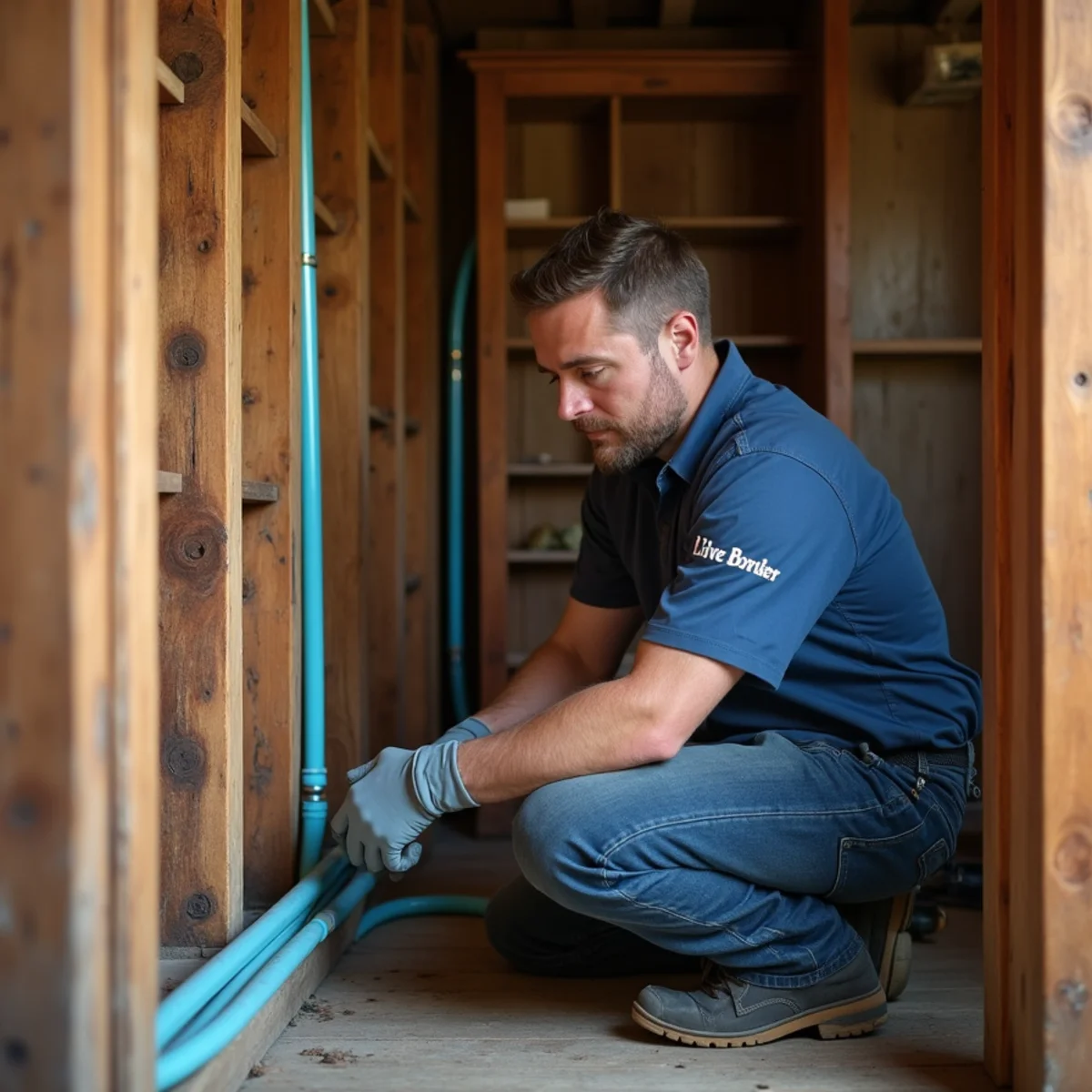
Century-old Portland homes frequently experience plumbing problems due to obsolete original piping materials that have reached the end of their functional lifespans. Common issues include corroded galvanized steel water pipes with severe internal rust scale, brittle cast-iron sewer stacks with rotting lead bends, vitrified clay sewer laterals infiltrated by tree roots, unvented plumbing traps, and uninsulated crawlspaces vulnerable to freezing winter Gorge winds.
- Historic Portland homes (Craftsman, Victorian, Foursquare) were built with materials with a 50–70 year design life that are now failing.
- Lead bends connecting vintage toilets to cast-iron stacks become brittle, porous, and prone to cracking.
- Galvanized supply pipes rust from the inside out, causing brown discolored water and restricted flow.
- Upgrading historic plumbing requires surgical techniques to protect original lath-and-plaster walls and historic millwork.
From Victorian farmhouses in Oregon City to 1910 Craftsman bungalows in Hawthorne, Sellwood, and Irvington, Portland's historic housing stock is celebrated for craftsmanship. However, plumbing technology in the early 20th century was fundamentally different from modern standards.
Understanding the hidden vulnerabilities of vintage plumbing protects your home from water damage and preserves original architectural finishes.
1. Galvanized Iron Water Pipes: Before copper became standard in the 1960s, potable water lines were made of zinc-coated galvanized steel. Over decades, water dissolves the zinc coating, causing iron rust to accumulate internally. Old galvanized pipes deliver discolored water, choke shower pressure, and eventually rupture without warning.
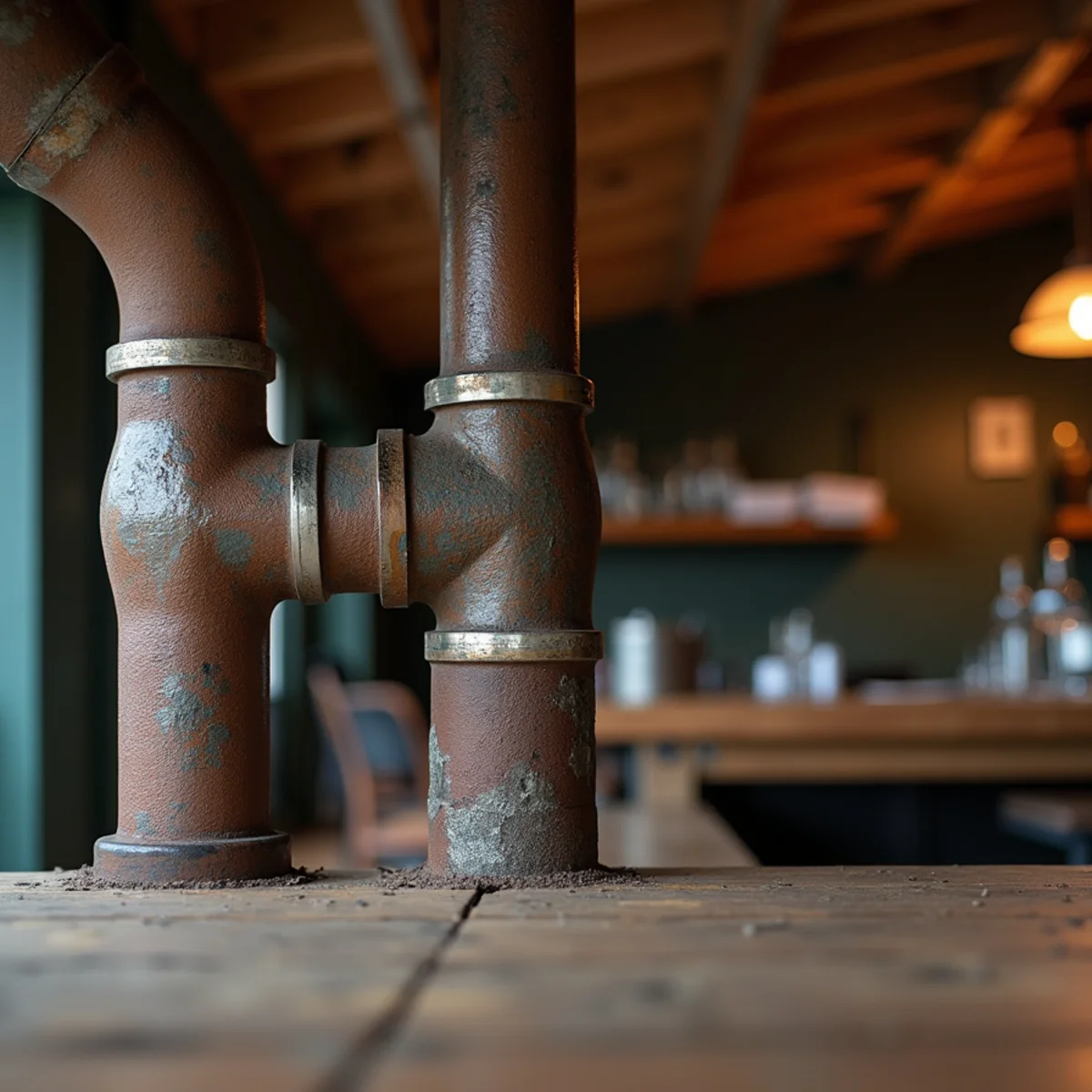
2. Cast-Iron Waste Stacks and Lead Bends: Vintage drainage systems utilized heavy cast-iron vertical stacks connected to toilets via curved lead pipes known as 'lead bends.' Over a century, acidic sewer gases corrode the bottom channel of cast-iron pipes, creating paper-thin metal that leaks wastewater into walls and ceilings.
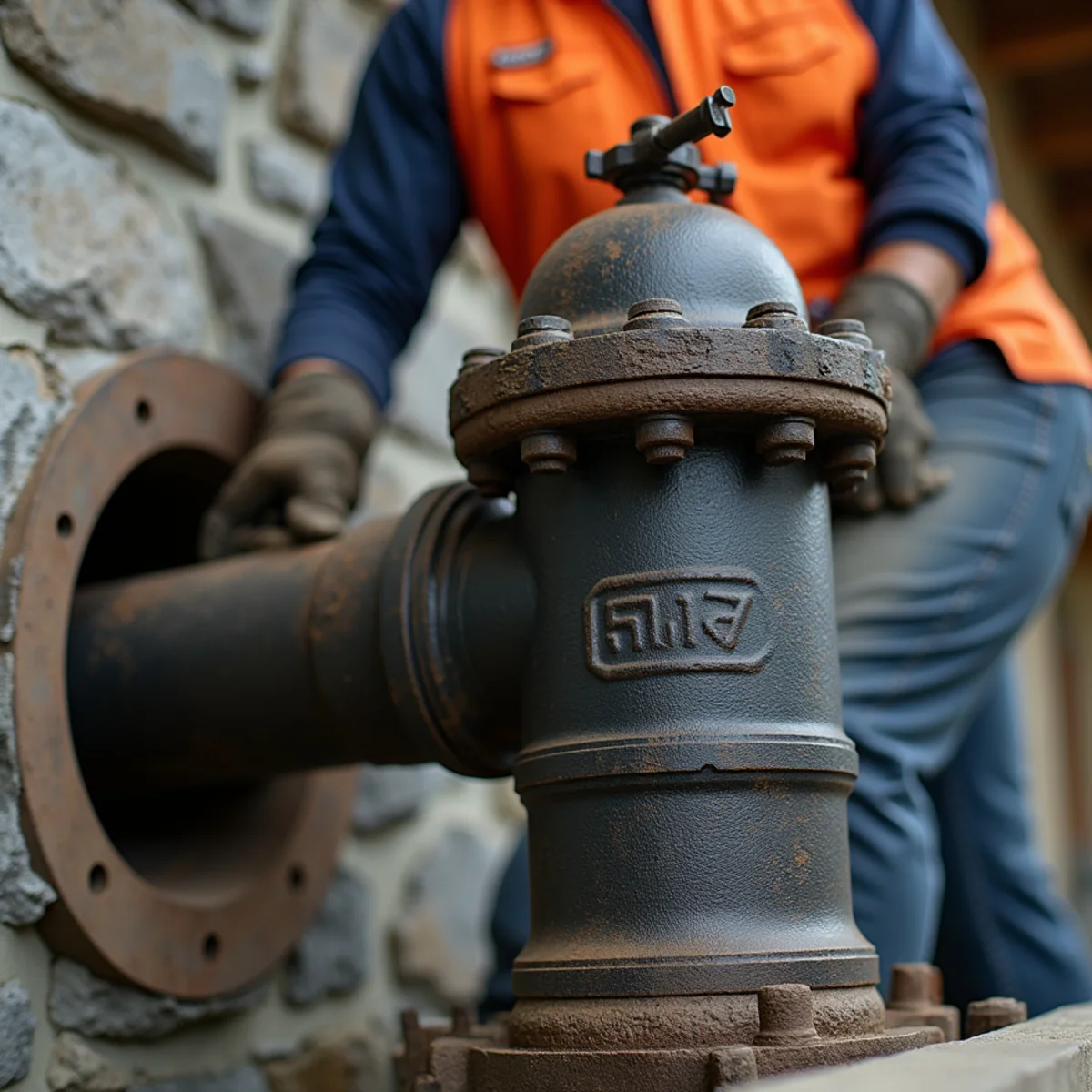
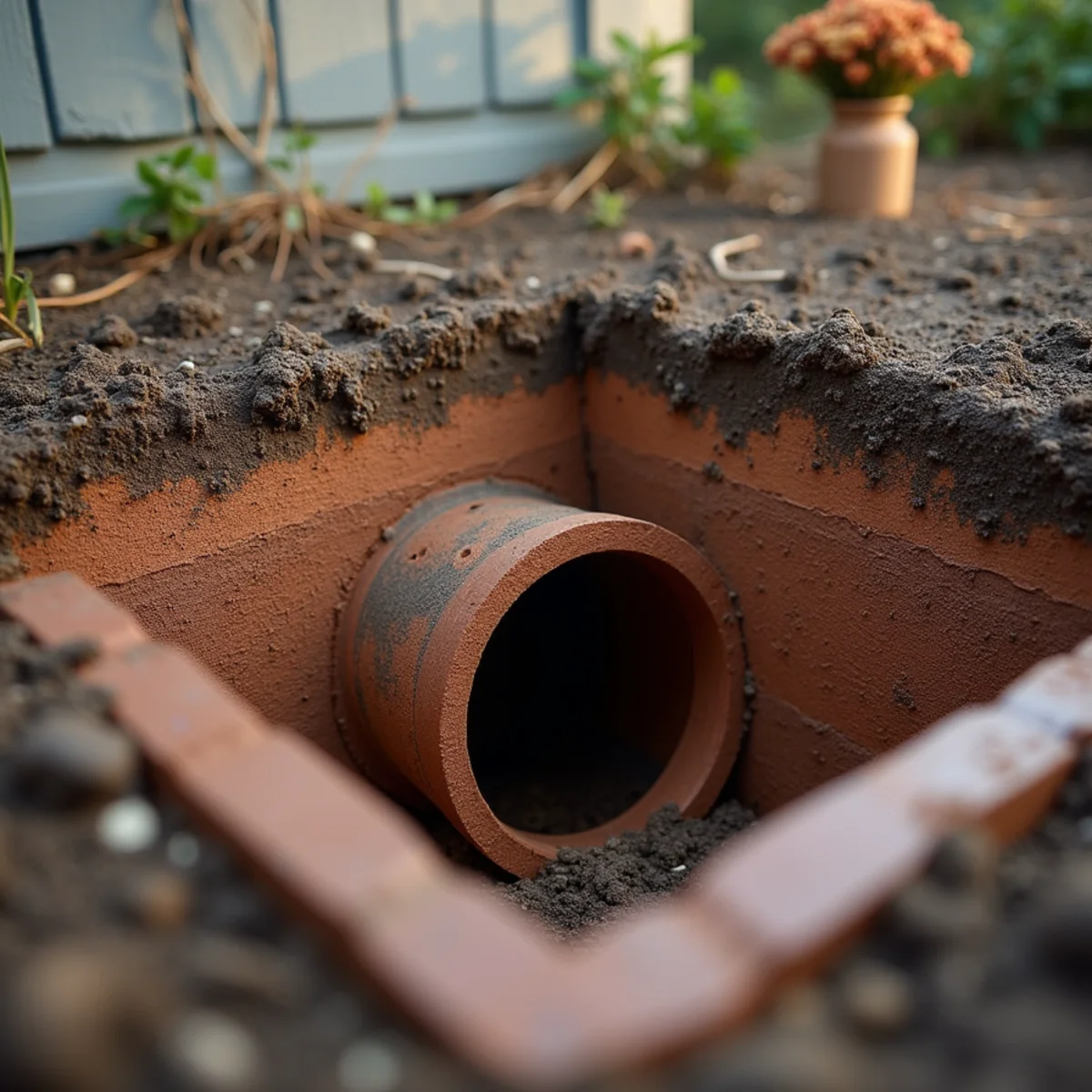
3. Vitrified Clay Sewer Laterals: Portland's sewer laterals were historically built from vitrified clay pipes laid in 3-foot sections. Without modern rubber gaskets, mortar joints crumble over time, inviting massive root intrusion from Portland's mature Douglas fir and maple trees.
4. Uninsulated Crawlspaces and Freeze Vulnerability: Older homes were built with open, uninsulated crawlspaces that allow freezing winter winds to blow across exposed copper and galvanized lines.

How We Modernize Historic Portland Homes: At United Plumbing PDX, our master plumbers specialize in historic plumbing restoration. We route flexible PEX-A lines and pull trenchless sewer pipes without destroying original lath-and-plaster walls or historic woodwork. Call (831) 290-4327 for a historic home plumbing survey.
Comprehensive Technical Guide & Portland Field Insights
1. The Vintage Materials of Early 20th Century Portland Homes
Portland’s architectural heritage—from 1910 Craftsman bungalows in Hawthorne to 1890 Queen Anne Victorians in Nob Hill—features extraordinary historic craftsmanship. However, plumbing technology in the early 1900s relied on materials that were never engineered to last 100+ years. Potable water was delivered through galvanized iron pipes; wastewater was carried through heavy cast-iron soil stacks, lead toilet waste bends, and vitrified clay sewer laterals buried in damp soil.
2. The Hazard of Lead Toilet Bends and Brass Ferrules
In homes built prior to 1940, the curved S-pipe beneath the toilet flange was commonly made of soft, malleable lead connected to the cast-iron waste stack with a poured brass ferrule. Over a century of structural settling and chemical exposure from sewer gases, these lead bends become paper-thin, oxidize, and develop hairline cracks along the bottom curve, creating slow, foul-smelling leaks that rot subfloor joists beneath vintage tile.
3. Vitrified Clay Sewer Laterals and Foundation Movement
Before modern PVC and ABS plastic, exterior sewer pipes were made of vitrified clay pipe segments jointed with tar-soaked oakum and concrete mortar. Portland’s heavy winter rainfall and shifting clay soil cause joints to separate over time. Mature tree roots easily penetrate these separated gaps, creating massive blockages and allowing groundwater to surcharge residential sewer lines during rainstorms.
4. Outdated S-Traps, Drum Traps, and Missing Vents
Early plumbing codes allowed S-traps and drum traps beneath bathtubs and sinks. Modern plumbing codes strictly prohibit S-traps because rapidly draining water can siphon the protective water seal completely out of the trap, allowing dangerous and flammable sewer gases (methane, hydrogen sulfide) to vent directly into finished bathrooms and living areas.
5. Preservation-First Modernization: PEX-A and Trenchless Relining
Modernizing a historic Portland home does not require destroying original woodwork, period crown moldings, or lath-and-plaster walls. United Plumbing PDX specializes in historic home plumbing retrofits, using flexible Uponor PEX-A piping threaded through concealed utility chases and trenchless CIPP sewer relining that restores underground drains without excavating historic brick pathways or mature landscaping.
“Working on historic Portland homes requires a completely different mindset. You can’t just go in with a sledgehammer. We use surgical access points, preserve original lath and plaster, and thread modern freeze-resistant PEX-A through existing chases. It gives homeowners 21st-century reliability without altering historic character.” — Mark Evans, Master Plumber (CCB #234891)
Frequently Asked Questions About Why Century-Old Portland Homes Have Plumbing Problems
Is it safe to drink water from galvanized pipes in an older home?
While galvanized iron itself isn't immediately toxic, decades of corrosion trap heavy metals, rust particles, and trace contaminants inside the pipe scale. If pipes have discolored water or metallic taste, testing water and repiping is recommended.
What is a lead bend, and how dangerous is it?
A lead bend is a curved lead drain pipe under vintage toilets. While it does not deliver drinking water (it carries wastewater), lead bends crack easily, causing hidden leaks that damage ceilings and subfloors.
How do plumbers repipe a home with lath and plaster walls?
We use flexible PEX-A piping routed through attics, crawlspaces, and closets, requiring only small, localized cuts in discrete areas to minimize damage to vintage plaster walls.
Do historic district preservation rules affect interior plumbing in Portland?
Interior plumbing upgrades in historic districts generally do not require Historic Landmarks Commission design review, though standard City of Portland plumbing permits and code compliance are always required.
Related Services & Local Coverage
Written by Mark Evans
Licensed Oregon Master Plumber · CCB #234891. Mark has overseen thousands of residential and commercial plumbing restorations throughout Multnomah County and the Willamette Valley.
Dealing With an Active Plumbing Issue?
Call United Plumbing PDX now at (831) 290-4327 for live 24/7 dispatch across the Portland metro area.