
Why Your Portland Drains Keep Clogging (and How to Fix It)
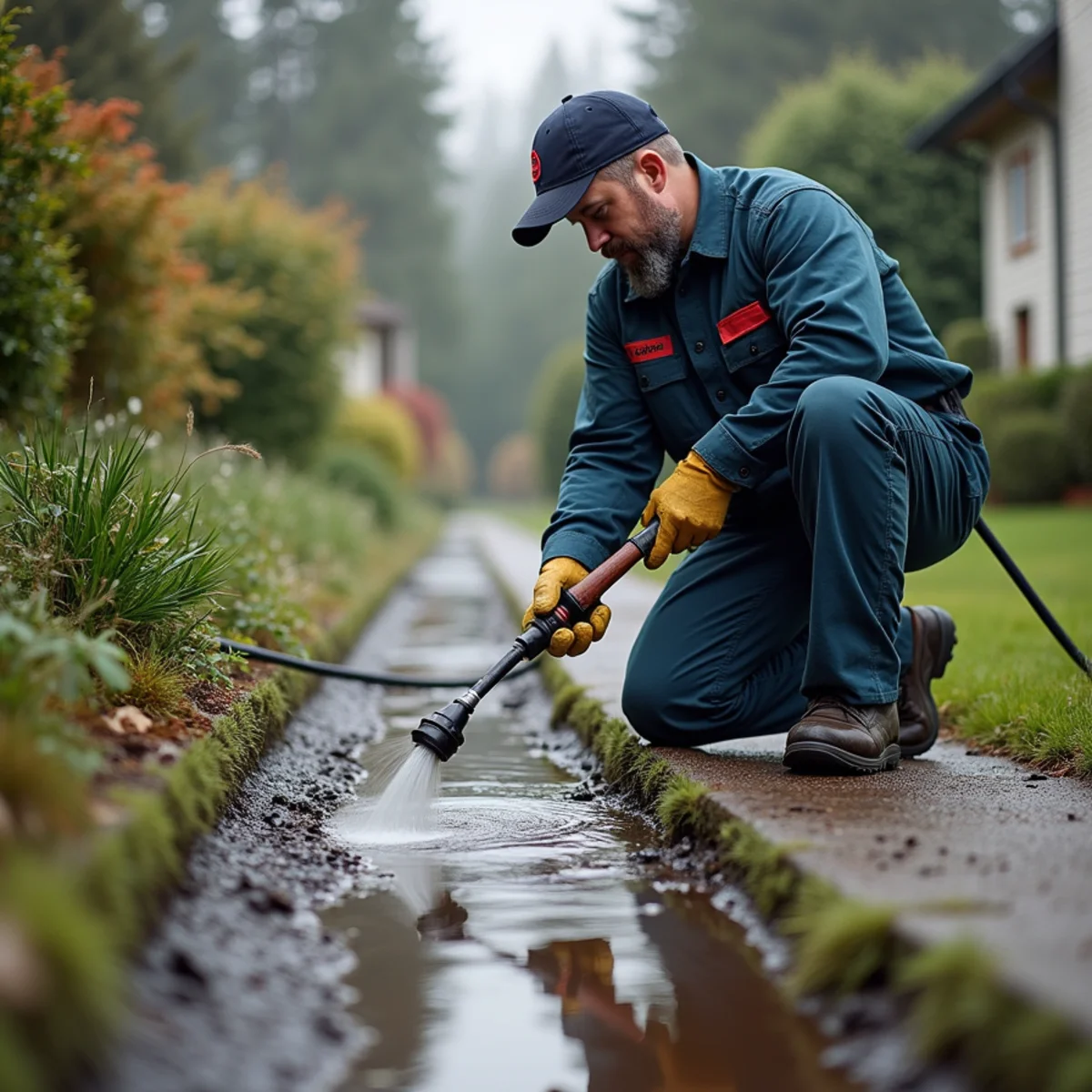
If your Portland drains keep clogging repeatedly, the root cause is almost never simple surface hair—it is typically invasive tree roots in older clay sewer laterals, heavy grease and fat buildup inside kitchen branch lines, clogged plumbing vent stacks on the roof, or internal rust scale in vintage cast-iron pipes. Permanent resolution requires professional motorized augering, high-pressure hydro-jetting, or fiber-optic camera inspection rather than temporary caustic chemical cleaners.
- Frequent drain backups point to deeper sewer lateral obstructions rather than localized fixture trap clogs.
- Kitchen grease congeals along cold underground pipes, forming dense fatbergs that trap food particles.
- Roof plumbing vent stacks clogged with pine needles and fir debris create vacuum locks that slow drainage.
- High-pressure hydro-jetting at 3,500 PSI cleans pipes back to full diameter, outperforming mechanical snaking.
Pouring chemical drain opener down a slow sink might clear water for a few days, but when a drain repeatedly clogs every few weeks, you are battling a systemic obstruction that a bottle of liquid cleaner cannot solve.
In Portland's diverse residential plumbing systems, recurring clogs usually stem from four underlying causes:
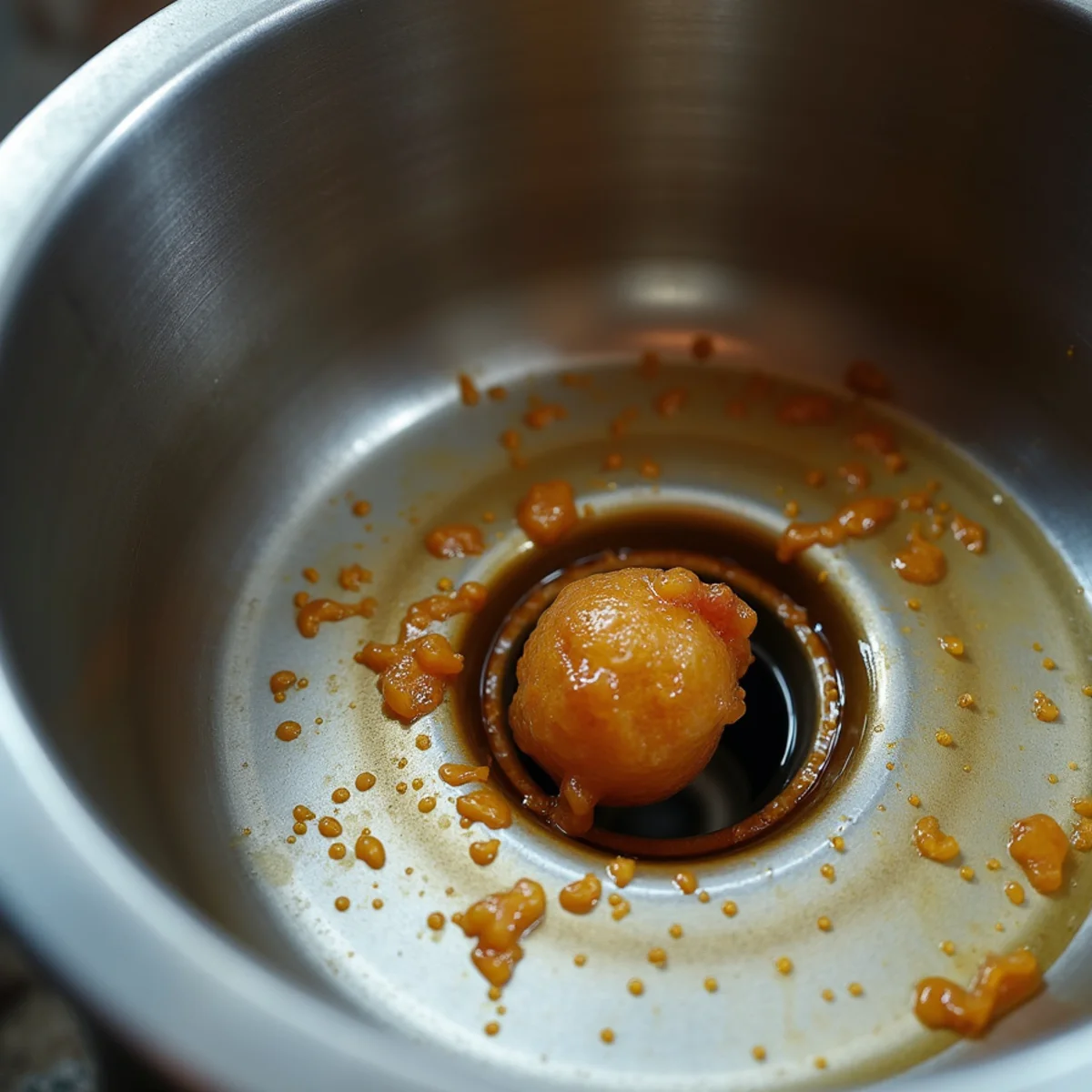
1. Hardened Kitchen Grease and Sludge: Cooking oils, butter, and bacon grease poured down sinks might flow freely while hot, but as soon as they hit cold underground pipes, they solidify into thick, waxy coatings along the bottom of the pipe. Over time, coffee grounds, food crumbs, and soap scum stick to the grease, choking off drainage.
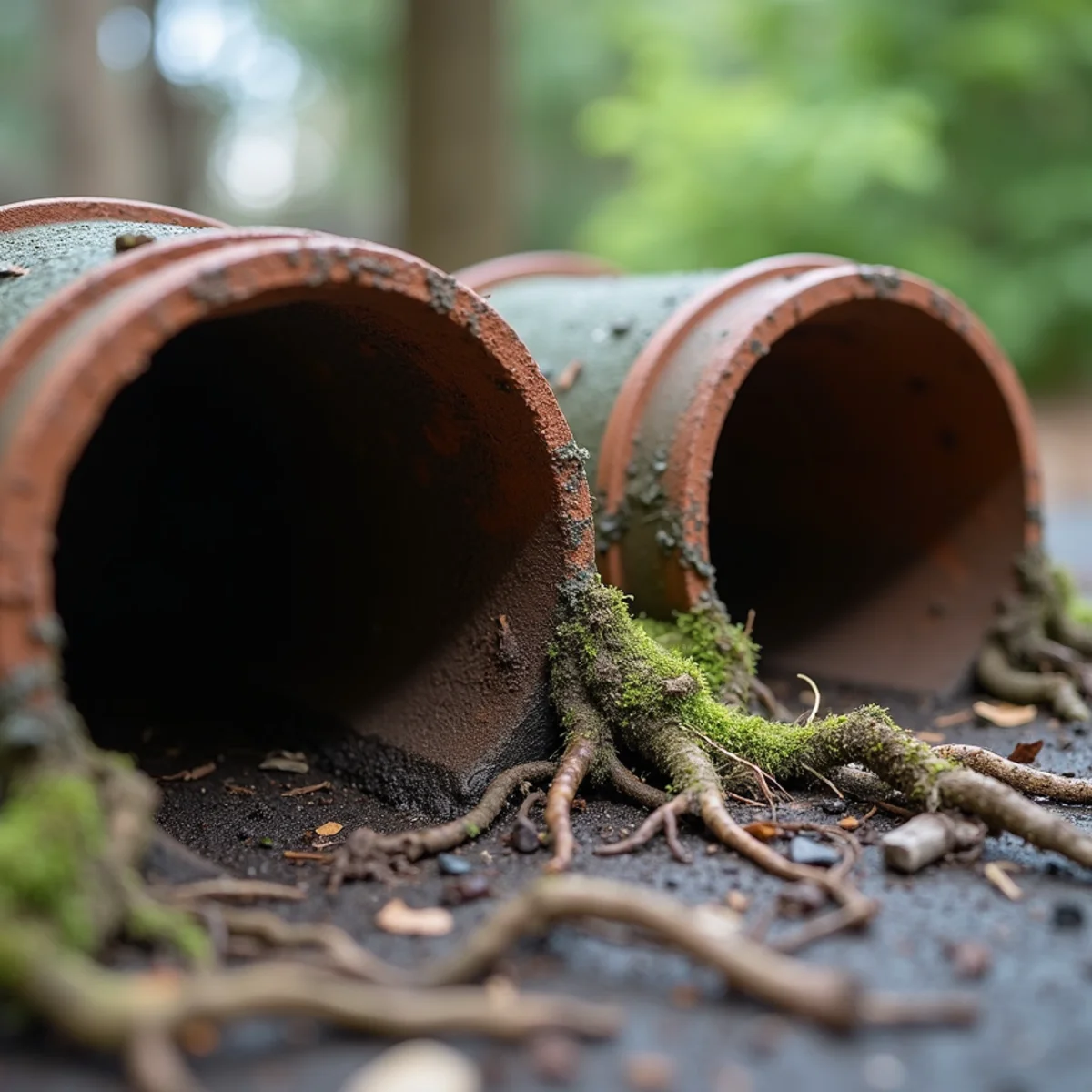
2. Invasive Tree Roots in Older Clay Lines: In established neighborhoods across Portland, mature trees send fine root hairs through microscopic gaps in clay or cast-iron sewer laterals. Once inside, roots feed on moisture and nutrient-rich wastewater, creating dense fibrous root nets that catch toilet paper and solid waste.
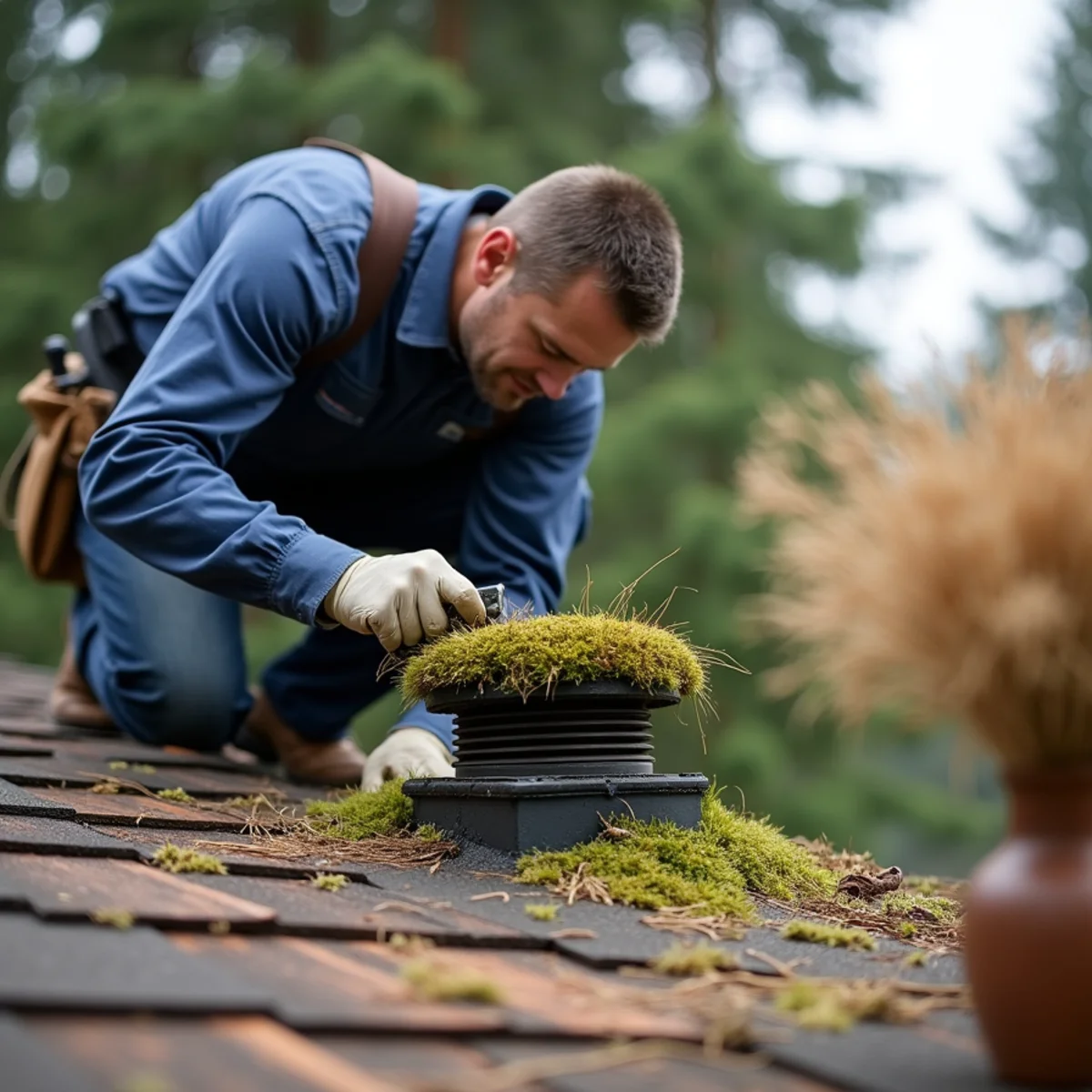
3. Blocked Roof Plumbing Vents: Every plumbing drain requires air to flow smoothly. Your plumbing vent pipes exit through the roof to equalize drainage pressure. In Portland's forested environment, pine needles, moss, leaves, and bird nests frequently clog roof vents, creating a vacuum that causes sinks to gurgle and drain at a snail's pace.
4. Cast-Iron Rust Scale and Channel Rot: As vintage cast-iron pipes corrode internally, the smooth pipe interior transforms into rough, jagged rust scales that snag hair and dental floss.
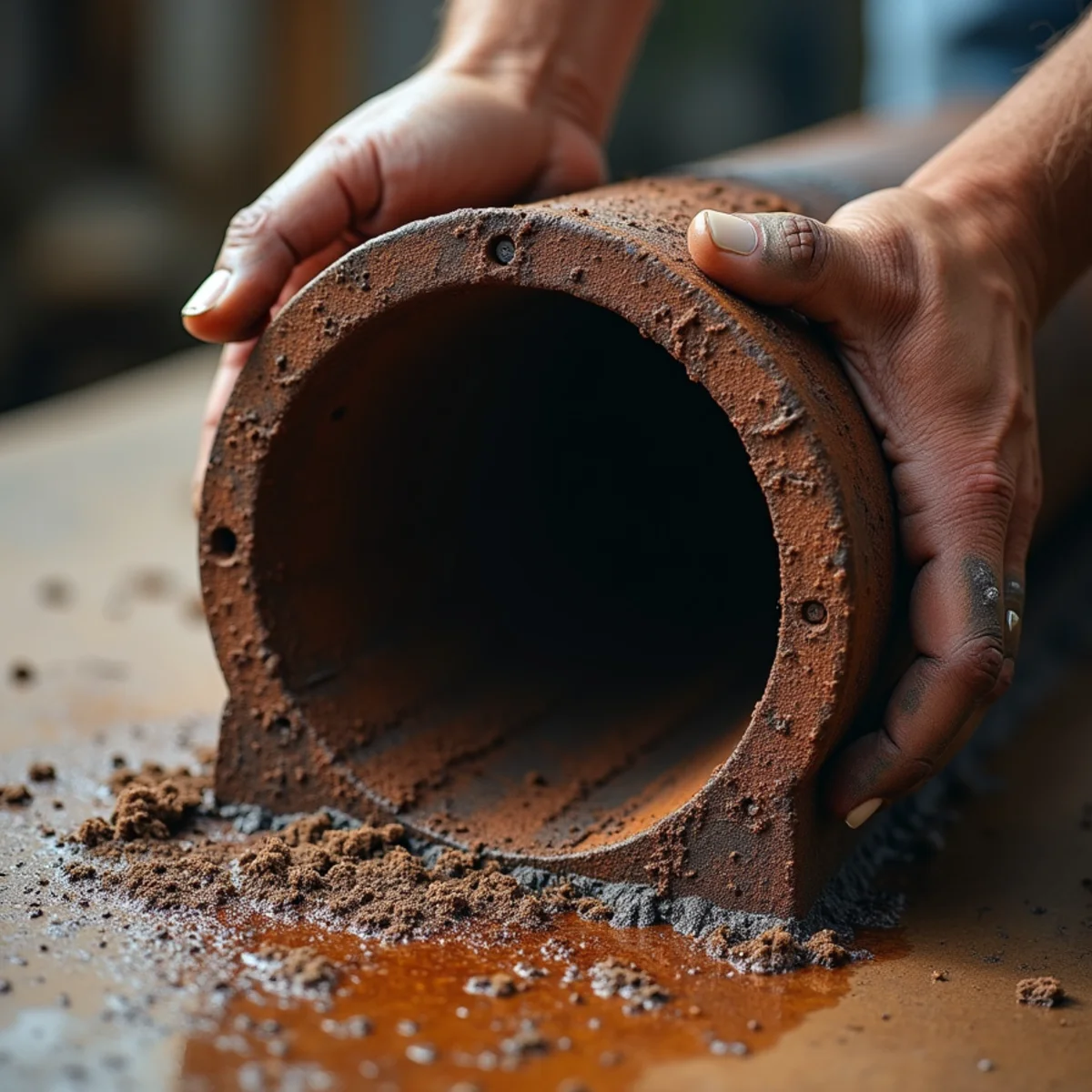
How Professional Hydro-Jetting Fixes Chronic Clogs: While a standard mechanical snake merely pokes a hole through the middle of a clog, our 4,000 PSI hydro-jetting equipment scours the entire circumference of the pipe back to bare metal, blasting away grease, mineral scale, and root systems. Call United Plumbing PDX at (831) 290-4327 for camera-guided drain clearing.
Comprehensive Technical Guide & Portland Field Insights
1. The Four Primary Culprits Behind Chronic Portland Drain Clogs
When sinks, showers, and toilets back up repeatedly, the problem lies deep within your drainage network. The four most common culprits in the Pacific Northwest are: (1) Congealed kitchen grease, oils, and fats; (2) Aggressive tree roots seeking water in underground clay laterals; (3) Clogged plumbing vent stacks on fir-covered roofs; and (4) Internal rust tubercles and flaking scale inside aging cast-iron waste pipes.
2. Why Liquid Chemical Cleaners Make Drain Problems Worse
Pouring caustic chemical drain cleaners (containing sulfuric acid or lye) into slow drains provides only fleeting relief while causing severe long-term damage. Chemicals melt a tiny 1/2-inch hole through the center of a grease clog before washing away, leaving 90% of the blockage intact. Furthermore, corrosive acids generate intense chemical heat that softens PVC joints, corrodes older cast-iron pipe bottoms, and creates dangerous burn hazards for plumbers.
3. The Hidden Role of Roof Vent Stacks in Drainage Flow
Every plumbing drain requires airflow to function smoothly, operating on the same physical principle as a drinking straw with your finger over the top. Plumbing vent pipes penetrate your roof to introduce air into the system. In Portland, falling Douglas fir needles, moss, leaves, and bird nests frequently cap these open roof vents, creating a negative vacuum that causes toilets to gurgle and sinks to drain sluggishly.
4. Mechanical Snaking vs. High-Pressure Hydro-Jetting
A traditional plumbing snake (cable auger) is designed to punch a hole through an obstruction to restore emergency flow. However, snaking leaves hardened grease collars and fibrous root hairs clinging to pipe walls. High-pressure hydro-jetting utilizes specialized reverse-thruster nozzles delivering 3,500 PSI of pressurized water, completely scouring grease, scale, and roots from the pipe circumference and restoring original flow capacity.
5. Best Practices for Preventing Future Drain Backups
To keep drains flowing freely: never pour cooking grease or bacon fat down kitchen sinks; collect grease in a can for disposal. Install fine mesh stainless steel hair strainers over shower and tub drains. Run cold water for 15 seconds after using your garbage disposal, and avoid processing fibrous celery, onion skins, or coffee grounds. Schedule biennial drain maintenance for older homes.
“When a homeowner calls us for the third drain clog in two months, we know the issue isn’t hair in the P-trap. A quick fiber-optic camera inspection almost always reveals tree roots entering a joint 20 feet from the house or heavy cast-iron scale snagging paper. Identifying the true cause saves hundreds in repeated service calls.” — Mark Evans, Master Plumber (CCB #234891)
Frequently Asked Questions About Why Your Portland Drains Keep Clogging (and How to Fix It)
Why does my bathroom sink gurgle when the toilet flushes?
Gurgling drains indicate a blocked plumbing vent pipe on your roof or a partial blockage in the main drain line, which forces air through fixture P-traps as water struggles to vent.
Can hydro-jetting damage my older plumbing pipes?
When performed by experienced master plumbers after a camera inspection, hydro-jetting is safe for sound cast-iron, copper, ABS, and PVC pipes. If a pipe is structurally collapsed or paper-thin, camera inspection identifies it beforehand.
Are flushable wipes really flushable?
No. Despite packaging claims, 'flushable' wipes do not break down like toilet paper in water. They snag on pipe burrs and root hairs, creating massive blockages in both private laterals and municipal sewers.
How often should residential drains be professionally cleaned?
For homes with older cast-iron or clay plumbing and mature yard trees, we recommend professional preventative hydro-jetting or augering every 18 to 24 months.
Related Services & Local Coverage
Written by Mark Evans
Licensed Oregon Master Plumber · CCB #234891. Mark has overseen thousands of residential and commercial plumbing restorations throughout Multnomah County and the Willamette Valley.
Dealing With an Active Plumbing Issue?
Call United Plumbing PDX now at (831) 290-4327 for live 24/7 dispatch across the Portland metro area.