
Willamette Valley Clay Soil & Your Sewer Line
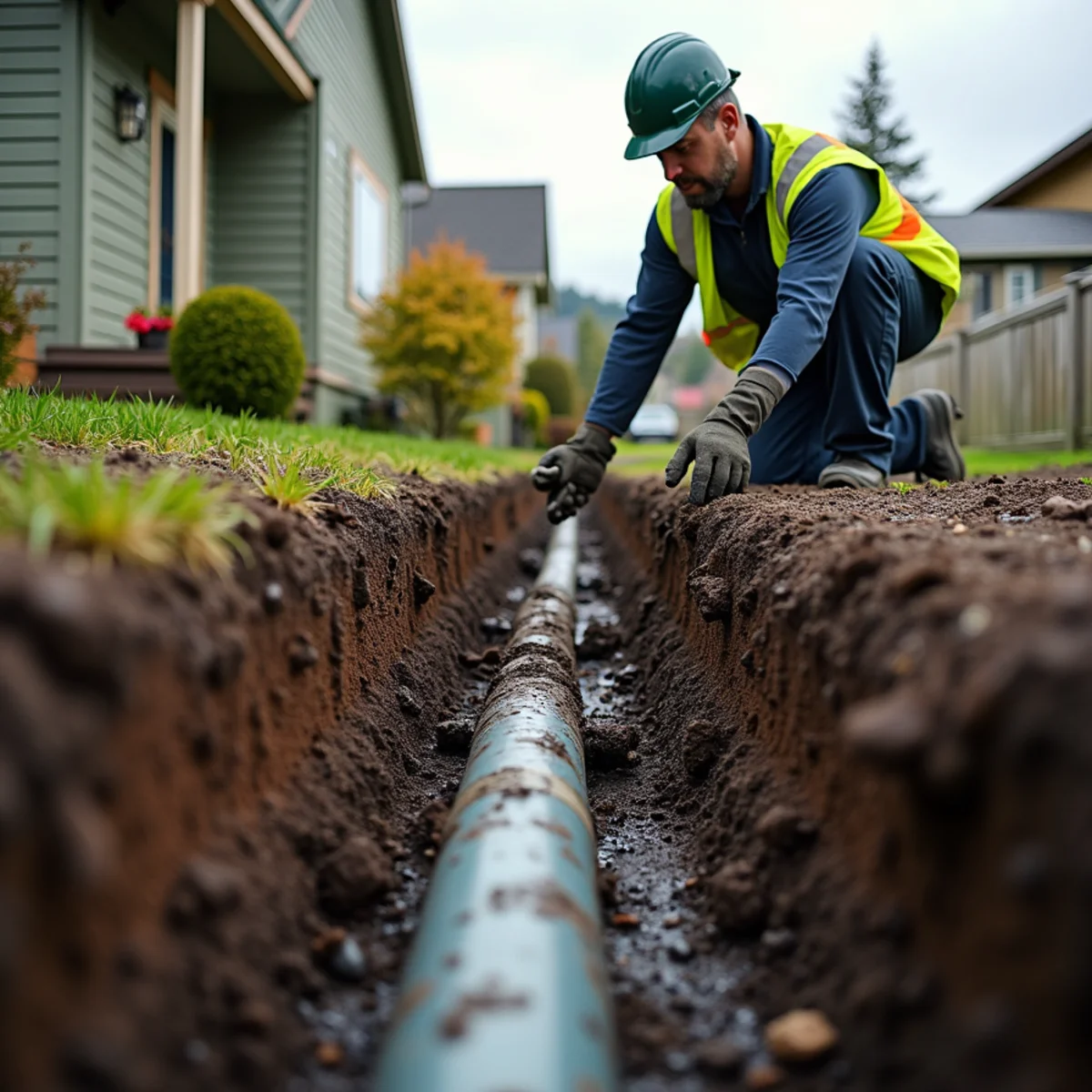
Willamette Valley clay soils (such as Hazelair and Woodburn silt loams) significantly impact residential sewer lines due to high shrink-swell cycles driven by wet winters and dry summers. When clay expands under saturation, it exerts intense upward and lateral pressure on underground pipes; during summer droughts, soil shrinks, creating void pockets that cause pipes to sag, crack at joints, or develop low-spot 'bellies' that trap waste and trigger recurrent backups.
- Willamette Valley clay soils undergo dramatic volumetric expansion in winter and severe shrinkage in summer.
- Soil shifting fractures rigid vitrified clay mortar joints and creates dips (bellies) where sewage solids pool.
- Flexible, continuous-run HDPE pipes resist ground movement and soil shear forces far better than rigid pipe segments.
- A fiber-optic camera inspection identifies sewer pipe bellies and joint offsets before catastrophic collapse occurs.
The fertile Willamette Valley owes its agricultural richness to Missoula Flood deposits and heavy volcanic clay soils. However, what is wonderful for vineyards and Douglas firs presents a serious structural hazard to residential underground plumbing.
Expansive Clay Soil Dynamics: Clay soils in the Portland and Beaverton areas are highly expansive. During our 7-month rainy season, clay soil absorbs immense volumes of moisture, swelling in volume and exerting hydrostatic pressure against foundation footings and buried pipes. Conversely, during dry summer months, the soil shrinks, contracts, and develops deep surface fissures.
How Soil Movement Destroys Sewer Laterals: 1. Pipe Bellies (Low Spots): As soil settles unevenly beneath a rigid sewer pipe, sections of the pipe sink, creating a low spot or 'belly.' Wastewater slows down in a belly, allowing solid waste and toilet paper to settle and form chronic blockages. 2. Shear Fractures and Offsets: Shifting clay soils apply lateral shearing forces to brittle clay and cast-iron pipe joints. Joints separate and offset, allowing wastewater to seep into the surrounding ground while allowing surrounding dirt and tree roots to infiltrate the line. 3. Crawlspace Foundation Settling: Soil movement shifts house foundation piers, stressing the main building drain where it penetrates the foundation wall.
The Solution: Flexible High-Density Polyethylene (HDPE): Modern trenchless pipe bursting replaces brittle clay pipes with continuous, flexible HDPE pipe. HDPE can flex and bend with soil settlement without cracking, and its fused joints are 100% root-proof and leak-proof.
Call United Plumbing PDX at (831) 290-4327 for an optical sewer camera scope and soil assessment.
Comprehensive Technical Guide & Portland Field Insights
1. The Geology of Willamette Valley Expansive Clay Soils
The Willamette Valley’s fertile agricultural landscape was shaped by the catastrophic prehistoric Missoula Floods, which deposited deep layers of fine silt and smectite-rich clay. These soils possess high plasticity: when saturated by 40 inches of winter rain, clay minerals absorb water into their crystalline structure, expanding dramatically in volume. During dry Pacific Northwest summers, the soil loses moisture, shrinks, and develops deep surface fissures.
2. How Soil Shifting Destroys Rigid Sewer Lines
Expansive soil puts extreme mechanical stress on buried sewer infrastructure. Rigid pipe materials—such as vintage vitrified clay, unreinforced concrete, and brittle cast iron—cannot bend or flex. As surrounding soil heaves and subsides unevenly, the pipe shears at joint collars. Once joints separate, surrounding clay soil washes directly into the pipe during rainstorms, forming underground soil sinkholes beneath driveways and lawns.
3. The Danger of Sewer 'Bellies' (Sagging Pipes)
A sewer belly is a low dip in a sewer line where the pipe sags below its designed hydraulic grade line. When underlying clay soil settles or shrinks, the pipe loses its uniform 1/4-inch-per-foot downward slope. Water and heavy solid waste pool in this depression, acting as a permanent sediment trap. Toilet paper and solid waste settle to the bottom, creating recurrent stubborn blockages that no amount of chemical cleaning can solve.
4. Why HDPE Pipe Bursting Is the Optimal Regional Solution
To withstand Willamette Valley soil dynamics, modern plumbing engineers specify High-Density Polyethylene (HDPE) pipe installed via trenchless pipe bursting. Unlike segmented pipes with joints every few feet, HDPE pipe is heat-fused together into a continuous, seamless monolithic tube. HDPE possesses high tensile strength and flexibility, allowing it to bend and shift naturally with seasonal soil movement without shearing, cracking, or separating at joints.
5. Diagnosing Soil-Related Sewer Defects
If your drains back up after heavy rains or during peak summer dry spells, soil settlement is likely impacting your lateral. United Plumbing PDX performs precision sewer scope inspections using cameras equipped with digital inclinometers and sonde transmitters. We map the exact depth and percentage of pipe sag, determining whether the belly requires localized structural re-bedding or trenchless replacement.
“We see hundreds of sewer lines fail in the Willamette Valley simply because the original clay pipes were laid directly on native clay without proper crushed aggregate bedding. When we replace pipes with seamless HDPE, they flex with the soil and never crack or separate again.” — Mark Evans, Master Plumber (CCB #234891)
Frequently Asked Questions About Willamette Valley Clay Soil & Your Sewer Line
What causes a belly in a sewer line?
Sewer bellies occur when surrounding soil shifts, shrinks, or erodes beneath the pipe, causing a section of the line to sag below the proper slope, creating a standing pool of water.
Can a sewer pipe belly be cleared with a drain snake?
A snake can punch through paper trapped in the sag, but it cannot fix the physical low spot. The standing water will continue to catch waste and cause repeated backups until the pipe grade is corrected.
Why does my sewer back up more often during dry summer months?
In dry summer weather, clay soil shrinks and contracts, increasing shear stress on compromised pipe joints. Additionally, thirsty tree roots aggressively seek out moisture inside sewer lines.
How long does HDPE sewer pipe last in clay soil?
Heat-fused HDPE sewer pipe has an engineered design life of over 100 years. It does not rust, rot, or corrode, and its jointless construction prevents all tree root intrusion.
Related Services & Local Coverage
Written by Mark Evans
Licensed Oregon Master Plumber · CCB #234891. Mark has overseen thousands of residential and commercial plumbing restorations throughout Multnomah County and the Willamette Valley.
Dealing With an Active Plumbing Issue?
Call United Plumbing PDX now at (831) 290-4327 for live 24/7 dispatch across the Portland metro area.