
Winterize Your Coastal Oregon Vacation Rental Plumbing
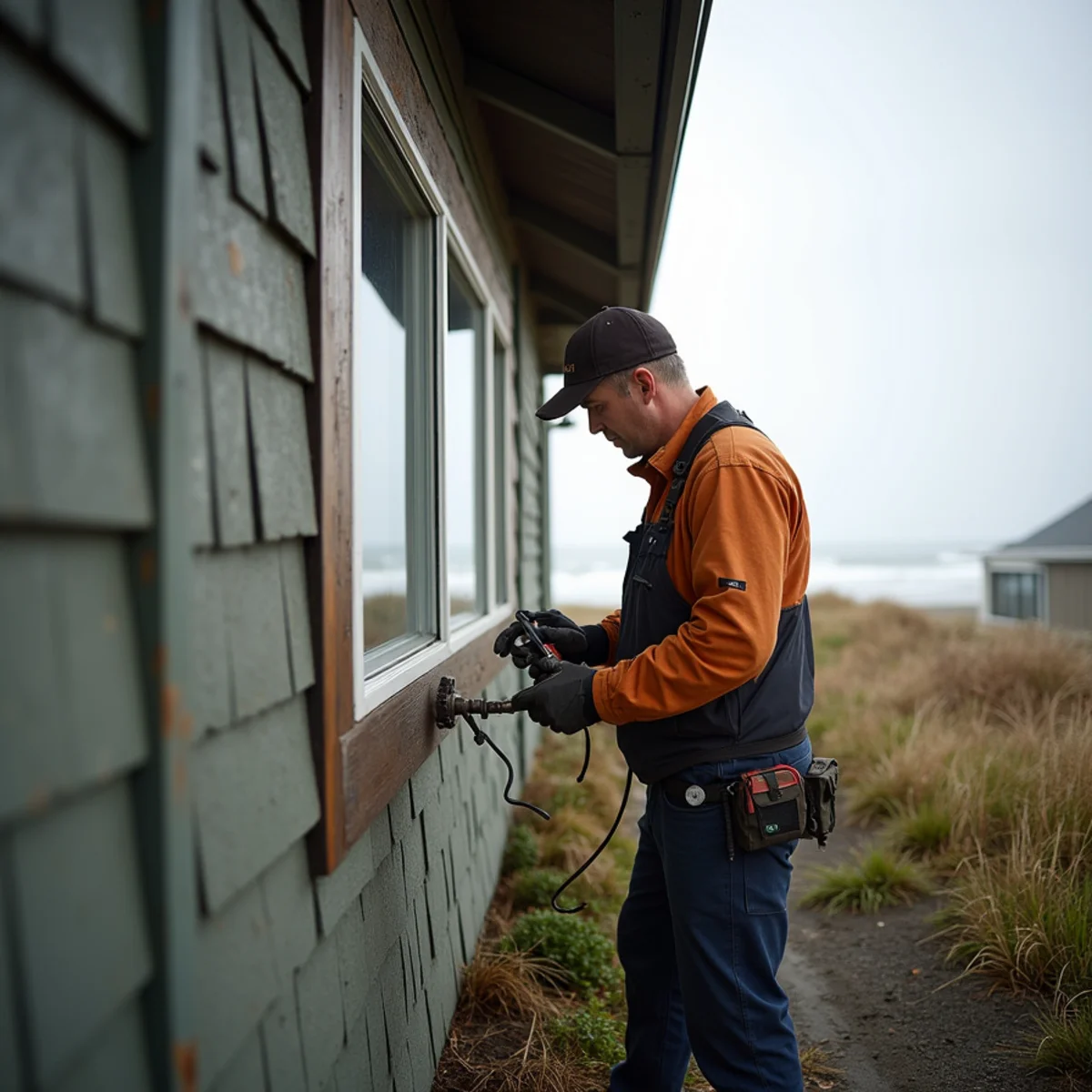
To winterize a coastal Oregon vacation rental or second home, shut off the main water supply at the meter, open all indoor faucets and outdoor hose bibs to drain supply lines by gravity, blow out remaining moisture with low-pressure compressed air, drain the water heater tank and shut off its power breaker, and pour non-toxic RV/marine plumbing antifreeze into all sink P-traps, toilet bowls, and shower drains. These steps prevent catastrophic freeze ruptures during unoccupied coastal winter storms.
- Unoccupied coastal properties face devastating freeze risks when arctic outflow winds hit the coast.
- Shutting off water at the meter ensures only minimal residual water can escape if a freeze fracture occurs.
- Compressed air blowout under 30 PSI removes trapped water droplets from low-hanging horizontal pipe loops.
- Non-toxic propylene glycol antifreeze protects water seals in toilet traps and fixtures without harming septic systems.
Along the northern and central Oregon Coast—from Astoria and Seaside down to Cannon Beach and Lincoln City—thousands of homes serve as vacation rentals or second residences. During the quiet winter months, properties often sit unoccupied for weeks at a time.
When a coastal freeze snap strikes while a home is empty, an uninsulated burst pipe can spray water continuously for days, destroying ceilings, cabinetry, and flooring before anyone notices. Here is how professional plumbers winterize coastal homes.
Step 1: Shut Off Main Water Supply at the Meter. When closing the home for winter, always shut off the main water service valve. This ensures that even if a fitting should crack, only a tiny volume of residual water can escape.
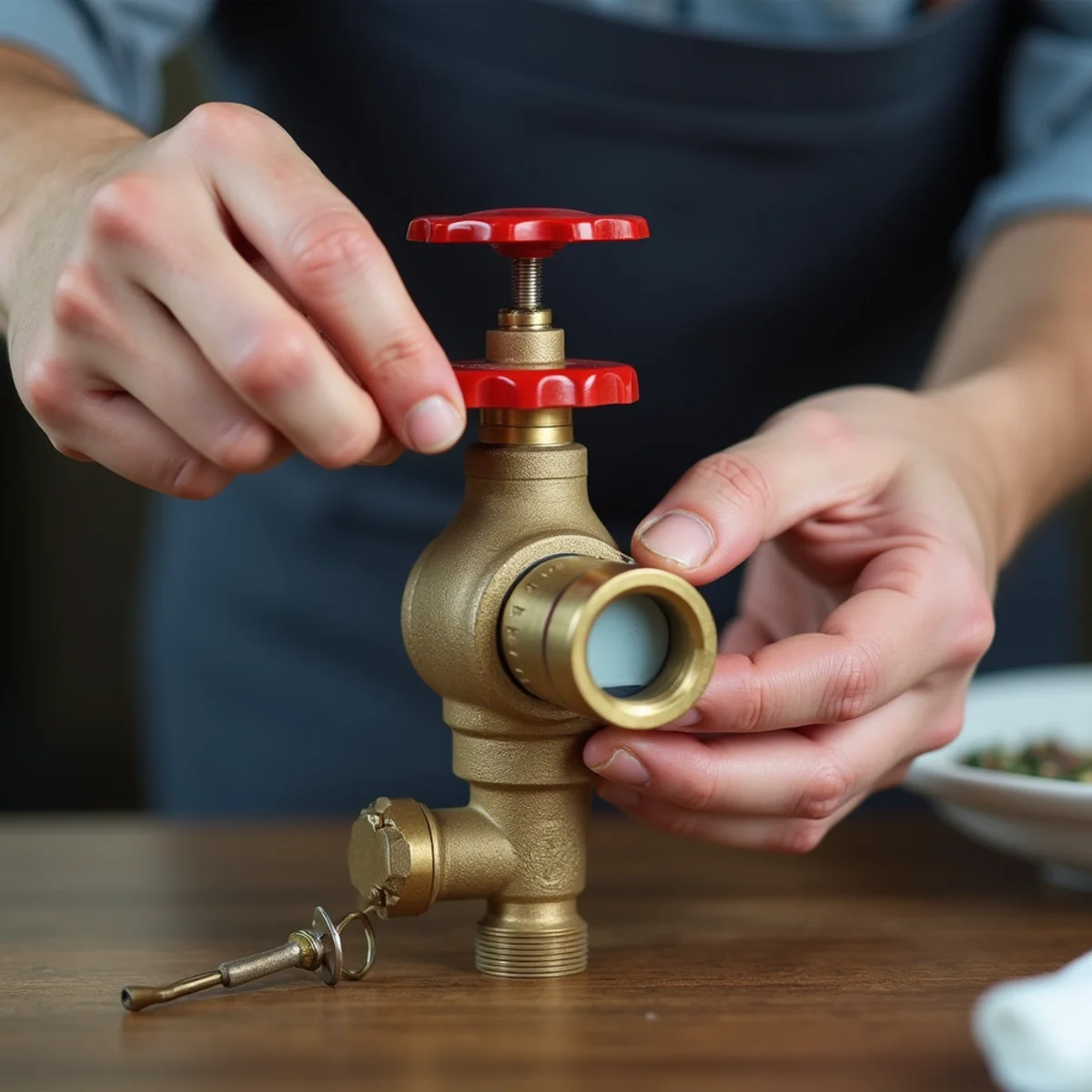
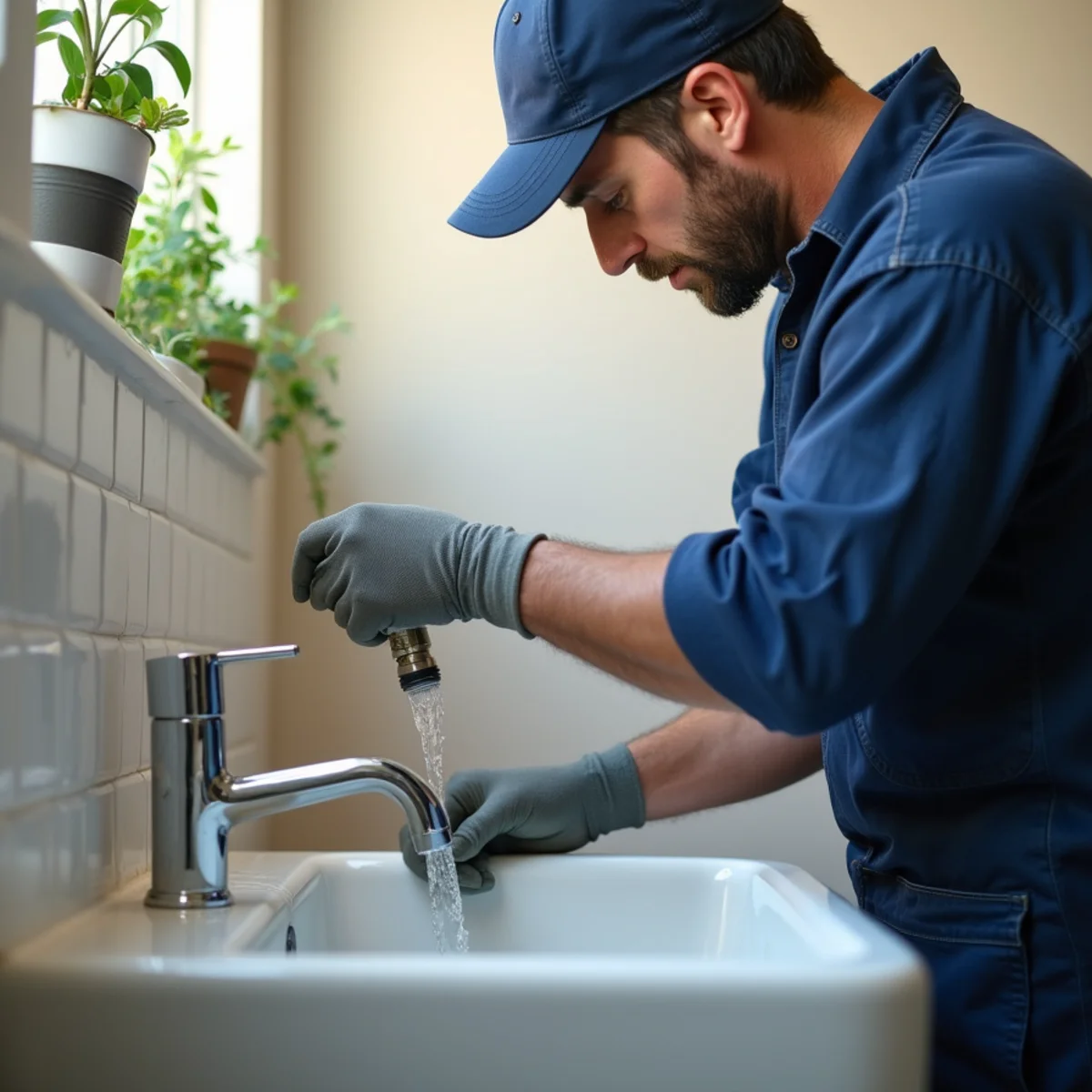
Step 2: Drain All Water Supply Lines. Open all indoor sink faucets, shower valves, and outdoor hose bibs. Open the lowest drain valve in the house to allow gravity to drain the entire piping network.
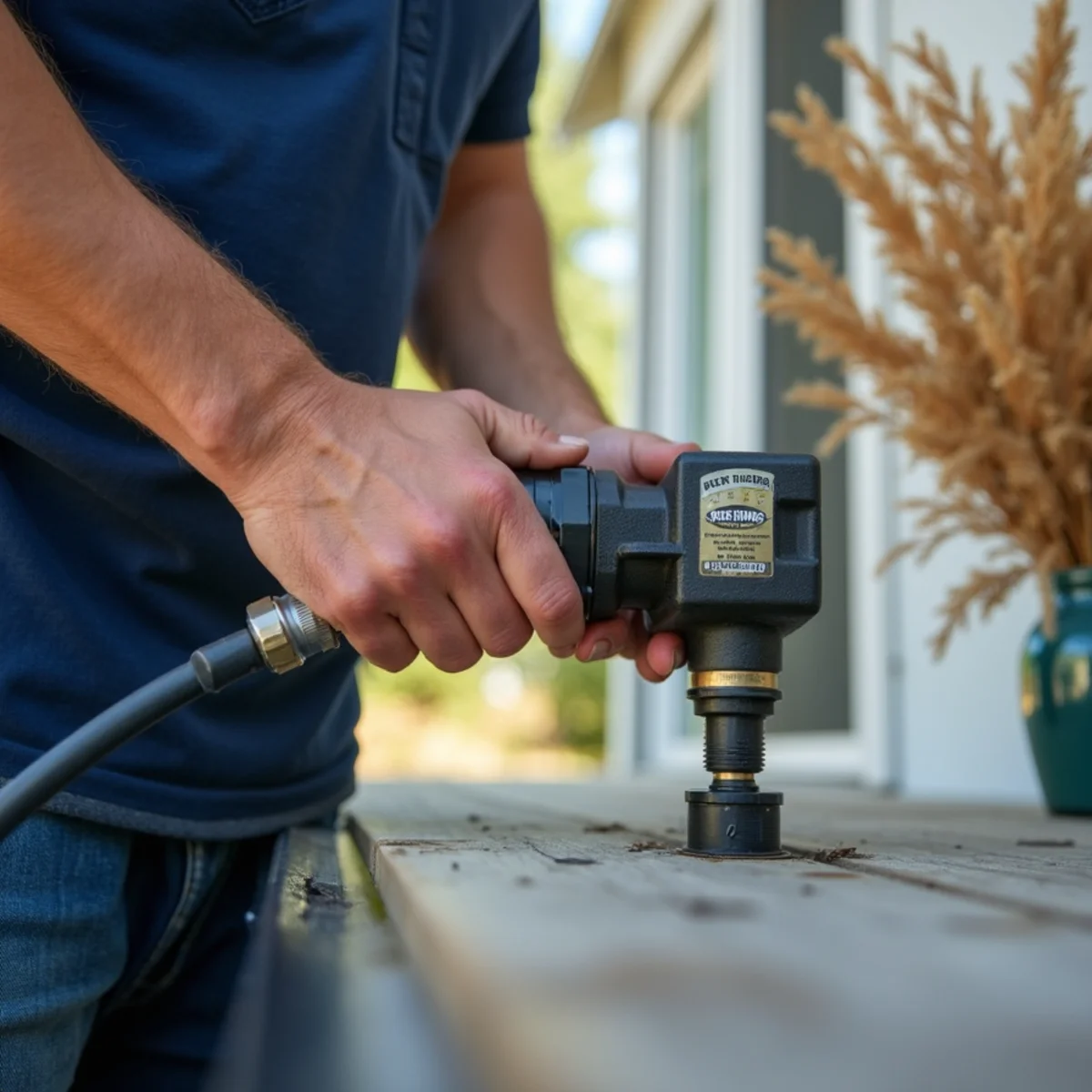
Step 3: Blow Out Lines with Low-Pressure Compressed Air. Gravity alone leaves water trapped in horizontal pipe runs and shower valve bodies. Professional plumbers connect low-pressure compressed air (under 30 PSI) to blow all residual water droplets out of the pipes.
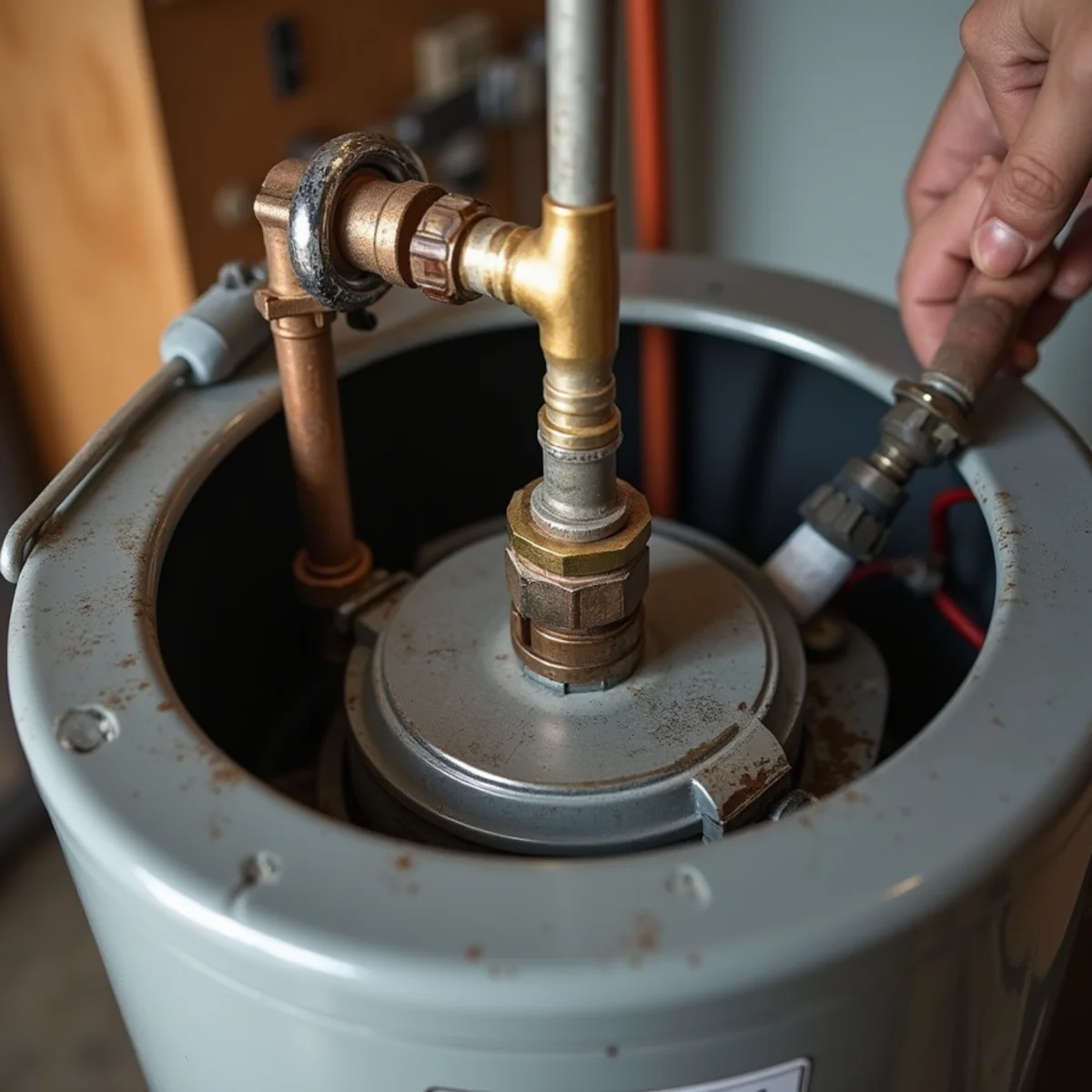
Step 4: Drain Water Heaters and Turn Off Power. For electric water heaters, shut off the circuit breaker before draining the tank; running heating elements without water burns them out in seconds. For tankless heaters, open the service valves and drain internal heat exchangers.
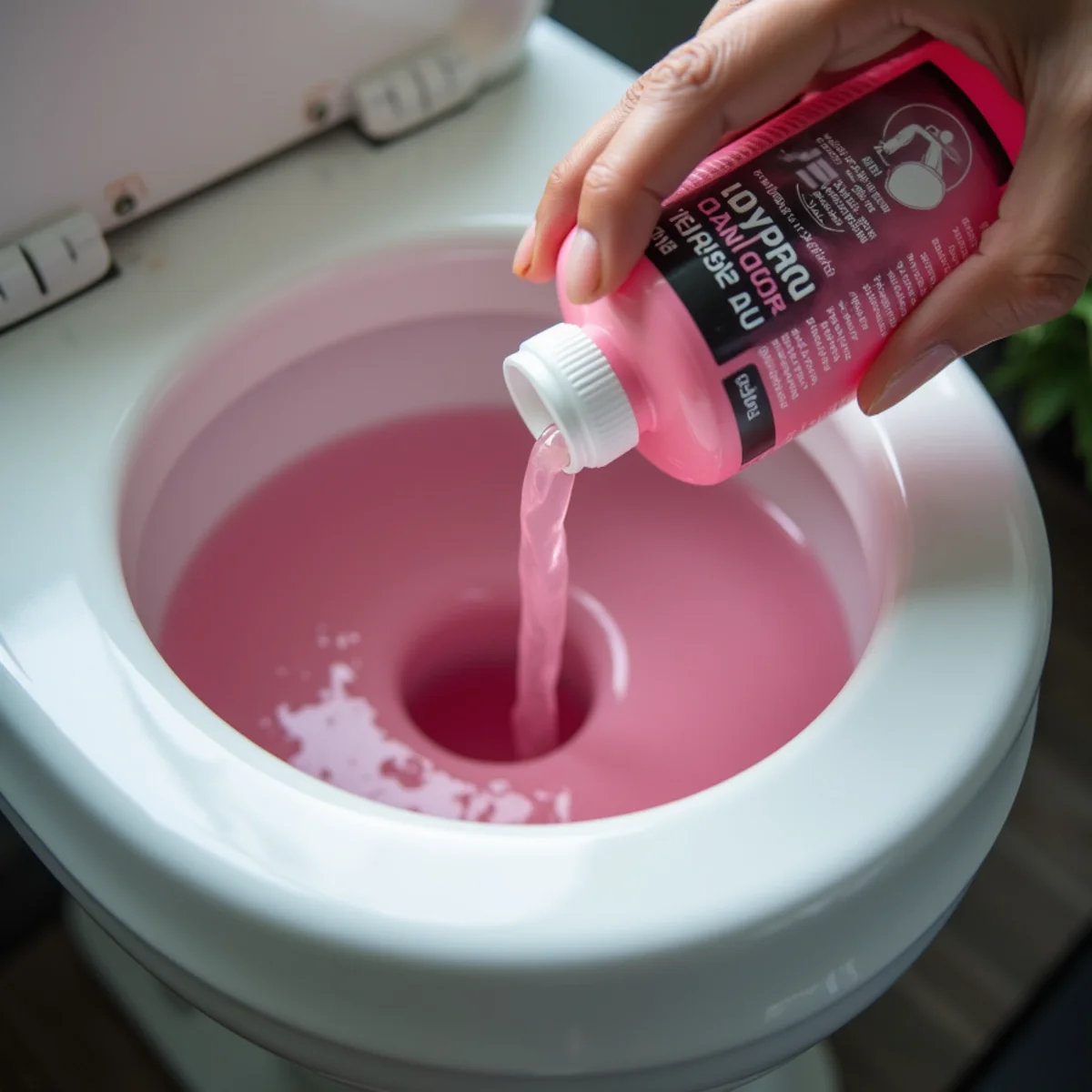
Step 5: Protect P-Traps and Toilets with Non-Toxic Antifreeze. Water sits permanently inside toilet bowls and sink P-traps to block sewer gas. Pour RV-marine non-toxic (propylene glycol) antifreeze into all toilet bowls, sink drains, and shower traps to prevent freezing.
United Plumbing PDX provides expert winterization services for coastal Oregon properties. Call (831) 290-4327.
Comprehensive Technical Guide & Portland Field Insights
1. The Vulnerability of Oregon Coastal Vacation Properties
Along the northern and central Oregon Coast—from Seaside and Cannon Beach down to Lincoln City and Newport—thousands of properties serve as seasonal vacation rentals or second homes. While coastal maritime climates are generally temperate, arctic outflow air masses periodically sweep across the Coast Range, plunging temperatures into the teens. When a home is vacant for weeks at a time, a burst pipe can run unnoticed for days, causing hundreds of thousands of dollars in structural and mold damage.
2. The Meter Shutoff and Gravity Drain Protocol
The cornerstone of winter property closure is isolating the municipal or community water service. Use a curb key to close the main water meter valve at the street. Open every fixture in the home: kitchen sink, bathroom vanities, showers, tubs, and exterior hose bibs. Open the lowest drain valve in the house (or the water heater drain valve) to allow gravity to pull water out of the vertical and horizontal piping network.
3. Low-Pressure Compressed Air Blowout
Gravity drainage alone leaves water trapped in low pipe sags, toilet fill valves, and thermostatic shower cartridges. Licensed plumbers connect an oil-free air compressor set to low pressure (under 30 PSI) to the plumbing network, methodically opening one fixture at a time until only air mists out. This guarantees that no standing water remains to expand and rupture pipes.
4. Protecting Water Heaters and Modern Appliances
For electric water heaters, shut off the dedicated circuit breaker before draining the tank; heating elements burn out within 30 seconds if energized in an empty tank. For tankless units, open exterior service ports to drain delicate internal copper heat exchangers. Disconnect water supply lines to refrigerators, ice makers, dishwashers, and washing machines, cycling solenoids to discharge internal water.
5. Chemical Trap Protection with Non-Toxic Antifreeze
Fixture P-traps and toilet bowls contain standing water seals that block sewer gases from entering living spaces. Sponge standing water out of toilet tanks and bowls. Pour non-toxic propylene glycol (marine/RV pink antifreeze) into all toilet bowls, sink traps, shower drains, and washing machine standpipes. Never use automotive ethylene glycol, which is highly toxic to wildlife, pets, and septic ecosystems.
“We have walked into coastal beach houses where an un-winterized pipe burst on a Monday and wasn’t discovered until cleaners arrived on Friday. Water was literally pouring out of light fixtures and running down the driveway. A proper two-hour winterization prevents total catastrophic loss.” — Mark Evans, Master Plumber (CCB #234891)
Frequently Asked Questions About Winterize Your Coastal Oregon Vacation Rental Plumbing
Can I just leave my coastal home heat at 55 degrees instead of winterizing?
Keeping heat on helps, but winter coastal storms frequently knock out electrical power for days. If power fails during an arctic freeze, an un-winterized home will freeze and burst. Full plumbing winterization is the only foolproof safeguard.
Is RV antifreeze safe for residential septic tanks?
Yes. Non-toxic RV/marine pink antifreeze is formulated with propylene glycol, which is fully biodegradable and will not disrupt the beneficial bacterial balance inside septic tanks.
How do I de-winterize my coastal rental when guests return in spring?
De-winterizing involves closing all drain valves, slowly turning on the main water supply, flushing antifreeze out of all fixture lines until water runs crystal clear, and refilling the water heater before turning on power.
How long does professional plumbing winterization take?
A licensed plumber typically takes 2 to 3 hours to perform a full compressed-air blowout, appliance drain, and antifreeze trap treatment on a standard 3-bedroom vacation home.
Related Services & Local Coverage
Written by Mark Evans
Licensed Oregon Master Plumber · CCB #234891. Mark has overseen thousands of residential and commercial plumbing restorations throughout Multnomah County and the Willamette Valley.
Dealing With an Active Plumbing Issue?
Call United Plumbing PDX now at (831) 290-4327 for live 24/7 dispatch across the Portland metro area.